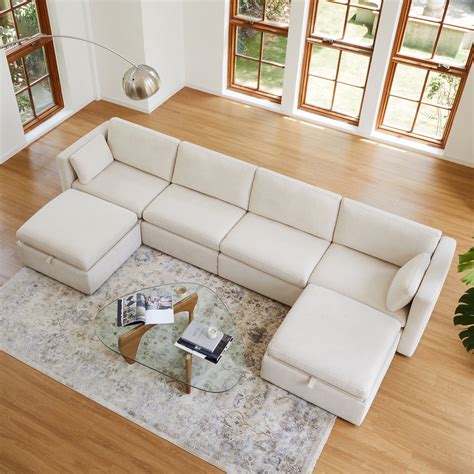
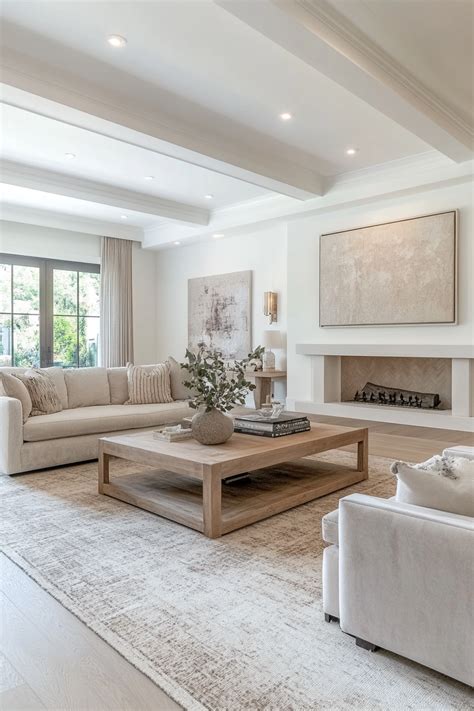
When homeowners think about living room flooring, traditional hardwood and wall-to-wall carpeting usually come to mind first. However, exploring living area floor tiles opens up an array of durable, highly customizable, and surprisingly comfortable design choices. Modern manufacturing has transformed tile from a purely utilitarian kitchen or bathroom solution into a sophisticated statement material for primary gathering spaces. Across the United States, interior designers and homeowners alike are embracing tile for its resilience against heavy foot traffic, pet claws, and shifting seasonal humidity.
Selecting the right tile requires balancing aesthetic preferences with practical performance metrics such as slip resistance, surface hardness, and subfloor compatibility. Whether your home features an open-concept layout in the sun-drenched coastal regions or a cozy compartmentalized floor plan in cooler northern climates, understanding your options ensures a lasting investment. This guide walks through curated material choices, styling techniques, and everyday comfort strategies tailored to modern American living rooms.
Understanding Tile Materials Suited for Living Areas
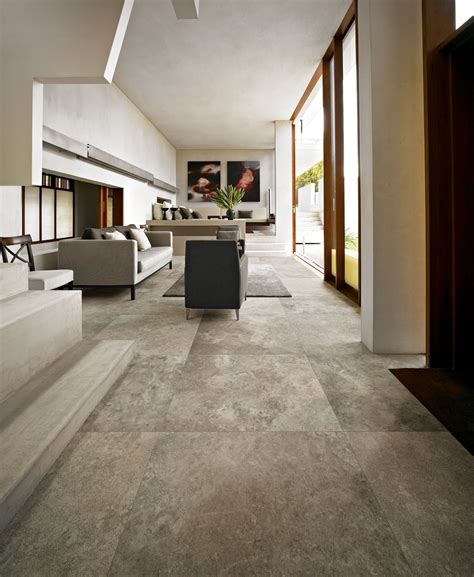
Not all tiles are created equal, and choosing the right material is critical for high-traffic gathering spaces. Porcelain stands out as the premier choice for American living rooms due to its dense composition, low water absorption rate, and exceptional resistance to scratching. Rated using the PEI (Porcelain Enamel Institute) scale, high-quality porcelain tiles boasting a rating of 4 or 5 easily withstand the rigorous demands of busy households with children and pets.
Natural stone options such as limestone, travertine, and marble offer unmatched organic beauty, though they demand a bit more maintenance. Unlike manufactured ceramics, natural stone requires periodic sealing to protect against spills and everyday wear. Ceramic tiles, while slightly more porous than porcelain, remain a budget-friendly alternative that works exceptionally well in lower-traffic formal sitting rooms where heavy impact is less frequent. Evaluating your household lifestyle helps determine which material category aligns best with your daily routine.
The Appeal of Wood-Look Porcelain Planks
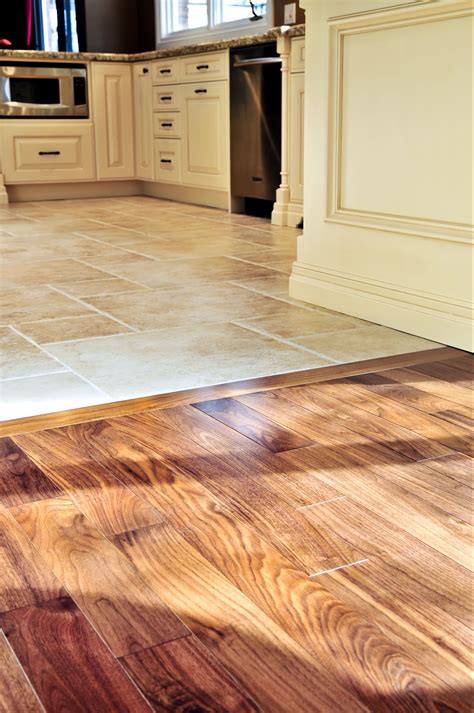
For homeowners who adore the timeless warmth of hardwood floors but need the waterproof durability of tile, wood-look porcelain planks bridge the gap perfectly. These elongated tiles mimic the grain patterns, knots, and warm color variations of oak, walnut, and hickory without the vulnerability to moisture warping or scratching.
In open-concept U.S. homes, running wood-look planks seamlessly from the entryway into the living area creates a cohesive, expansive visual flow. Grout lines can be minimized using rectified edges and color-matched grout, giving the illusion of a continuous hardwood surface while offering effortless cleanup.
Balancing Comfort and Climate: Addressing the Cold Floor Concern
A common hesitation regarding living room tile is the tactile sensation of a hard, cool surface underfoot, particularly during colder winter months in northern or Midwestern states. Fortunately, modern tile installations can easily counteract this issue through smart layout planning and supplemental heating solutions.
Integrating electric radiant floor heating mats beneath the tile transforms the living room into a cozy haven. Radiant systems gently warm the stone or porcelain from the ground up, delivering even, luxurious warmth that makes bare feet completely comfortable. Additionally, anchoring your seating arrangement with a plush, high-pile area rug provides soft tactile contrast while helping to define conversation zones within a large room.
Selecting Finishes and Textures for Light and Safety
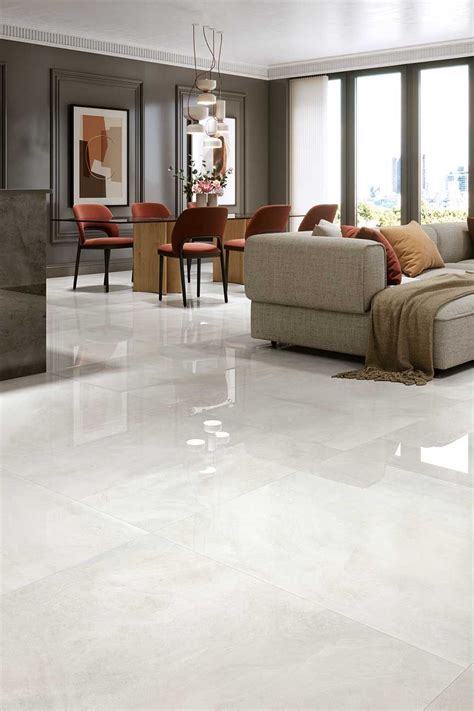
The finish of your living area floor tile dramatically influences both the atmosphere of the room and everyday safety. Polished tiles offer a high-gloss, reflective surface that amplifies natural sunlight streaming through large windows, making compact living spaces feel airy and grand.
However, polished finishes can become slippery when wet and may show dust or footprints more readily in high-traffic zones. Matte, honed, or textured finishes provide a more tactile, slip-resistant surface with a subtle, sophisticated sheen. Consider how regional light impacts your space; rooms with bright southern exposure handle darker, matte tiles gracefully, while north-facing rooms benefit from lighter, reflective finishes that maximize ambient illumination.
Design Trends: Large Format Tiles and Geometric Layouts
Contemporary American interior design increasingly favors clean lines and uninterrupted sightlines, making large-format tiles a dominant trend in living area flooring. Tiles measuring 24×24 inches, 12×24 inches, or even larger porcelain slabs reduce the number of grout lines, creating a sleek, minimalist canvas that lets furniture and architectural details shine.
For those seeking a more artistic or vintage-inspired aesthetic, geometric patterned tiles and encaustic-look ceramics offer a stunning focal point. Many homeowners use patterned tiles to define a specific zone, such as framing a fireplace hearth or outlining a cozy reading nook, while keeping the main expanse neutral. This zoning technique adds visual depth and personality without overwhelming the room’s overall layout.
Frequently Asked Questions
Are floor tiles too hard and uncomfortable for a living room?
While tile is inherently harder than carpet, you can easily maximize comfort by layering plush area rugs beneath seating areas and installing electric radiant floor heating underneath the tile during subfloor preparation.
Additionally, choosing high-density porcelain with a slightly cushioned underlayment during professional installation helps reduce fatigue when standing or walking for extended periods.
What is the best tile size for a modern U.S. living room?
Large-format tiles, such as 12×24 inches or larger square formats, are currently favored in modern American homes because they minimize grout lines and create a clean, expansive aesthetic.
The ideal size ultimately depends on room proportions; larger tiles generally make compact spaces look wider, while standard sizes suit cozy, traditional layouts.
How do I clean and maintain living room floor tiles?
Routine maintenance involves regular sweeping or vacuuming to remove abrasive grit and dust, followed by damp mopping using a pH-neutral cleaner formulated for tile and grout.
Avoid harsh acidic or abrasive cleaners that can dull glazed surfaces or erode grout sealants over time.