When planning an extended camping trip with family or friends, transitioning from a basic shelter to an environment that feels genuinely habitable changes the entire outdoor experience. Modern multi-room models have evolved significantly, moving beyond simple canvas partitions to offer distinct living zones, robust weather protection, and architectural layouts that mirror a small home. Selecting the right shelter requires balancing spatial requirements with the practicalities of transport, assembly, and seasonal climate shifts, ensuring that every camper has a comfortable place to rest, store belongings, and unwind after a day in nature.
Adopting a design-forward approach to camping means viewing your tent footprint as a functional floor plan rather than a mere sleeping bag repository. When you introduce vertical cabin walls, designated entryways, and separate rooms, temporary outdoor living begins to mimic the convenience of indoor architecture. This comprehensive framework helps groups maintain harmony during long trips by preventing clutter and giving individuals the personal breathing room necessary for an enjoyable vacation.
Understanding Spatial Layout and Room Division
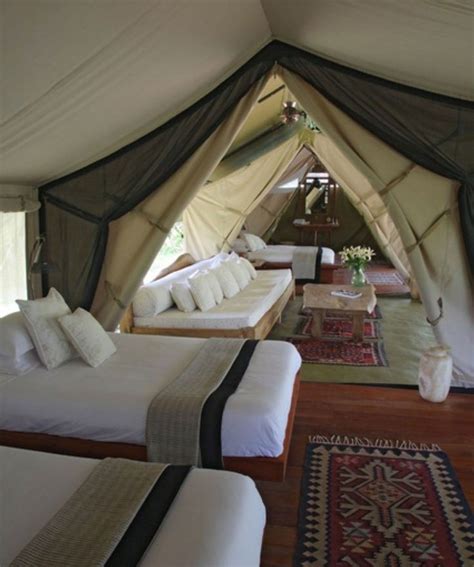
The primary advantage of investing in a multi-room tent lies in its structural compartmentalization. Rather than sharing a single cavernous sleeping space, campers can utilize dedicated zones for sleeping, gear storage, and lounging. This division mimics an indoor floor plan, allowing parents to have private sleeping quarters while children occupy a separate wing, or creating a central mudroom to keep dirt, muddy boots, and damp jackets away from clean sleeping bags and sensitive electronics.
When evaluating these layouts, consider carefully how traffic flows through the tent during peak hours. The best configurations feature separate doors for different rooms, preventing sleepers from being disturbed when someone needs to exit in the middle of the night or rise early for sunrise hikes. Removable divider walls also offer remarkable flexibility, letting campers open up the interior into one large communal hall during pleasant daytime hours and re-establishing privacy walls when night falls and everyone retires to their respective quarters.
Furthermore, thoughtful interior zoning allows you to incorporate camp furniture such as cots, folding tables, and hanging organizers without making the living quarters feel cramped. By treating each section of the tent with a specific designated function—much like rooms in a permanent home—you establish an orderly routine that reduces the physical friction often associated with group outdoor travel.
Evaluating Weather Resistance and Structural Integrity in Large Tents
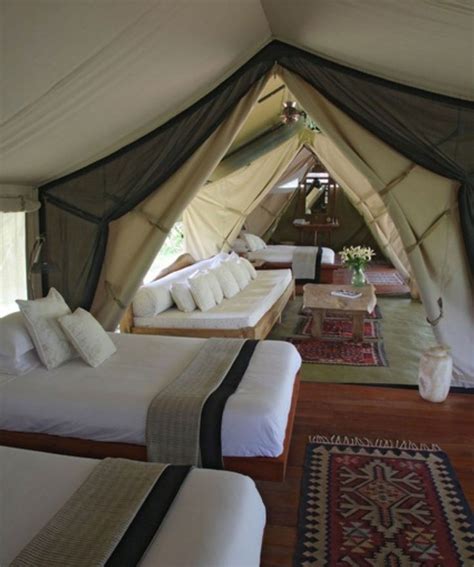
Large footprints and vertical cabin walls make multi-room tents inherently more susceptible to wind loads than traditional low-profile dome designs. Consequently, evaluating the frame materials, guy-out points, and rainfly coverage is essential for safe and secure outdoor living. Steel and fiberglass composite poles provide the rigidity necessary to keep tall walls upright against persistent breezes, though they invariably add significant weight to your overall packed gear inventory.
Weatherproofing extends far beyond basic water-resistance fabric ratings. Look closely for factory-taped seams, bathtub-style floors that elevate waterproof barriers safely above ground-level puddles, and deep awnings that allow windows to remain open for ventilation during light rain showers. Balancing interior standing height and square footage with aerodynamic stability ensures the structure remains secure even when mountain winds pick up unexpectedly during your trip.
Proper anchoring is the final line of defense for any large cabin tent. Heavy-duty stakes, storm straps, and properly tensioned guy lines distribute wind stress across the entire frame rather than concentrating force on a single pole junction. Taking the time to stake out your shelter correctly prevents structural flexing and preserves the interior comfort you selected the tent for in the first place.
Managing Setup Complexity and Portability Trade-Offs
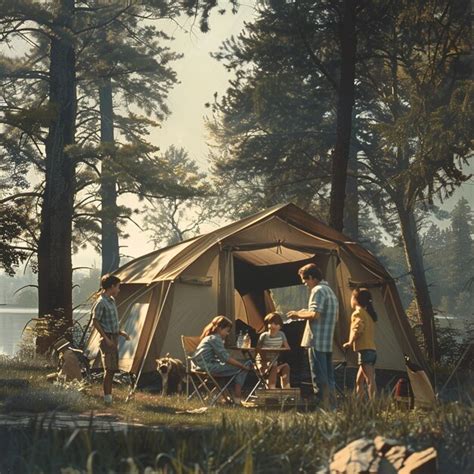
The undeniable convenience of a spacious multi-room interior often comes with notable trade-offs regarding setup time and transport bulk. Because these shelters incorporate multiple rooms, tall ceilings, and robust frame systems, assembly typically requires at least two adults and clear adherence to color-coded pole systems. Simplifying the pitching process depends heavily on pre-attached hub mechanisms or straightforward sleeve designs that reduce the margin for error when setting up camp in fading light.
Portability is another critical factor frequently overlooked until packing day arrives. A three-room shelter with full standing headroom can easily weigh between forty and sixty pounds, packing down into a bulky duffel bag that occupies a significant portion of a standard vehicle trunk. Buyers must carefully weigh the luxury of a sprawling campsite footprint against the physical effort required to transport, pitch, and strike camp at the end of the holiday.
Streamlining your packing strategy can mitigate some of these logistical hurdles. Keeping the pole bags separate from the main canvas body allows for easier distribution of weight across your vehicle. Additionally, practicing a dry run in your backyard before embarking on a remote trip ensures that every participant understands their role during assembly, transforming a potentially stressful pitching experience into a smooth team effort.
Frequently Asked Questions
What are the main benefits of a three-room tent?
Three-room tents offer exceptional privacy, organized storage, and distinct living zones that mimic a small home. They are ideal for large families or extended group camping trips where personal space and gear organization are absolute priorities.
How difficult is it to set up a multi-room tent?
Due to their size and complex framing, multi-room tents generally require two people and take between twenty to forty minutes to pitch. Modern models often feature color-coded poles and clear instructions to streamline the assembly process.
Do multi-room tents withstand high winds?
Because of their tall walls and large surface area, standard cabin-style multi-room tents can catch the wind. Selecting models with sturdy steel frames, robust guy-out lines, and proper staking significantly improves stability in stormy weather.
How do I choose the right size for my group?
Manufacturer capacity ratings often assume sleepers are packed tightly in sleeping bags without gear. For comfortable living with cots, air mattresses, and luggage, choose a tent rated for at least two more people than your actual group size.


