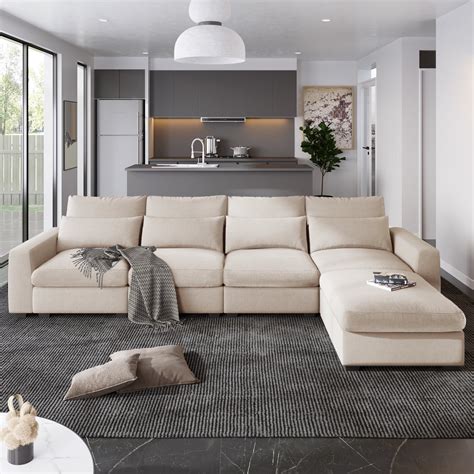
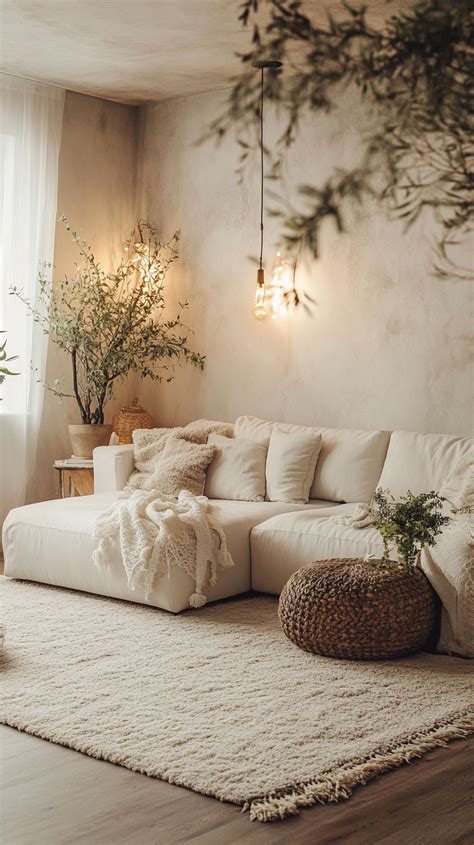
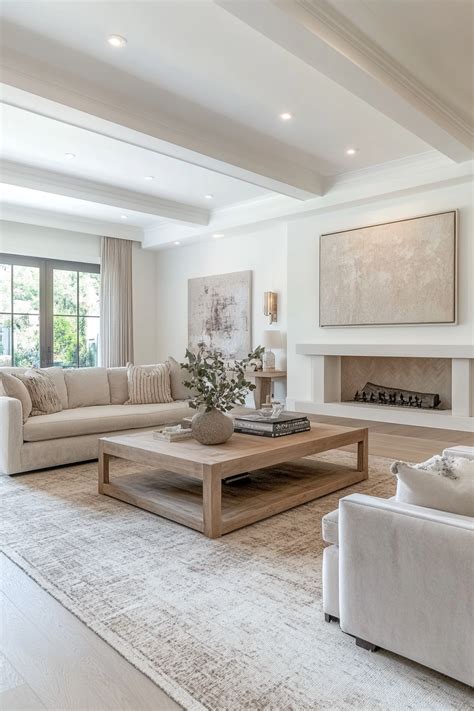
Interior design in the United States is increasingly embracing global influences, moving away from uniform minimalism toward spaces with soul, history, and tactile depth. Looking ahead to 2026, interior forecasting points toward South Asia—specifically India’s dynamic tile manufacturing sector—as a major source of architectural inspiration for upscale living rooms. Renowned for balancing centuries-old artisanal traditions with state-of-the-art digital production, Indian tile designers are producing surfaces that offer a striking alternative to standard domestic porcelain and ceramic offerings.
For American homeowners and renters looking to elevate an open-concept living room or a formal sitting area, incorporating these emerging trends allows for a sophisticated interplay of pattern, texture, and materiality. This design movement is not about recreating an entire traditional interior from another culture, but rather about introducing curated focal points, such as textured feature walls or grounded statement floors, that anchor contemporary U.S. architecture with artisanal distinction.
Embracing Tactile Surfaces and Raw Natural Finishes
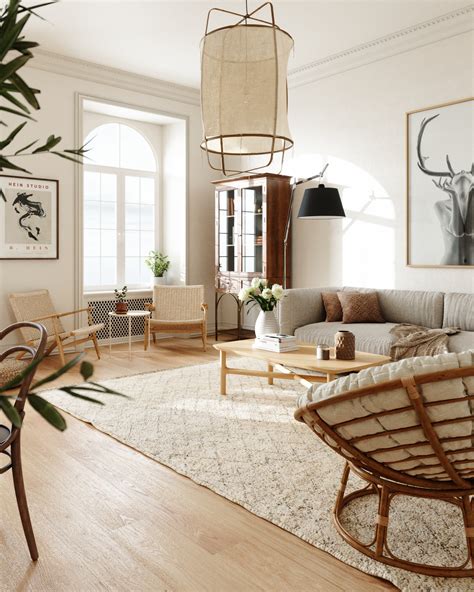
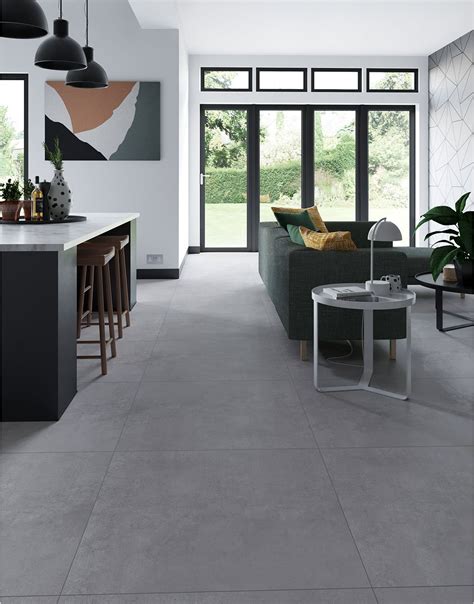
One of the most prominent shifts projected for 2026 living rooms is the departure from hyper-glossy, reflective surfaces in favor of tactile, matte, and honed finishes. Indian manufacturers are leading this movement by introducing tiles that mimic raw earth, hand-beaten stone, and organic lime-washes. These surfaces absorb light rather than bouncing it around the room, creating an immediate sense of warmth, groundedness, and understated luxury that complements typical American drywall and timber framing.
In a standard U.S. suburban or urban living room characterized by neutral drywall and minimalist trim, introducing a matte-finished, textured tile floor changes the entire acoustics and mood of the space. It adds a layer of quiet sophistication that pairs exceptionally well with plush wool rugs, linen upholstery, and warm wood tones. Designers note that these tactile tiles provide high slip resistance and incredible durability, making them well-suited for high-traffic gathering areas where family life happens daily.
Geometric Heritage: Modernizing Traditional Motifs
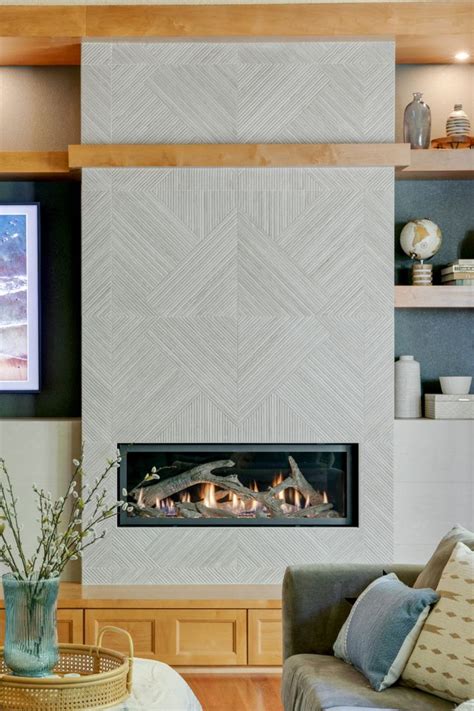
Another major trend gaining momentum for 2026 involves the reinvention of classic Indian architectural geometry for contemporary Western spaces. Rather than loud, overwhelming colors, current design directions favor tonal geometric patterns carved, etched, or digitally layered onto neutral porcelain bases. These patterns draw inspiration from traditional jali screens and temple floor layouts, translating ancient symmetry into clean, minimalist lines suitable for modern living room focal points.
U.S. homeowners often hesitate to use patterned tiles out of fear that they will overwhelm a room or quickly feel dated. However, the modern approach focuses on restrained application—such as framing a living room fireplace surround, defining a reading nook, or creating a subtle area rug effect using large-format patterned tiles. By keeping the surrounding walls and furniture neutral, these intricate motifs act as permanent works of art that anchor the room without demanding constant redecoration.
Balancing Scale: Large-Format Slabs with Artisanal Detail
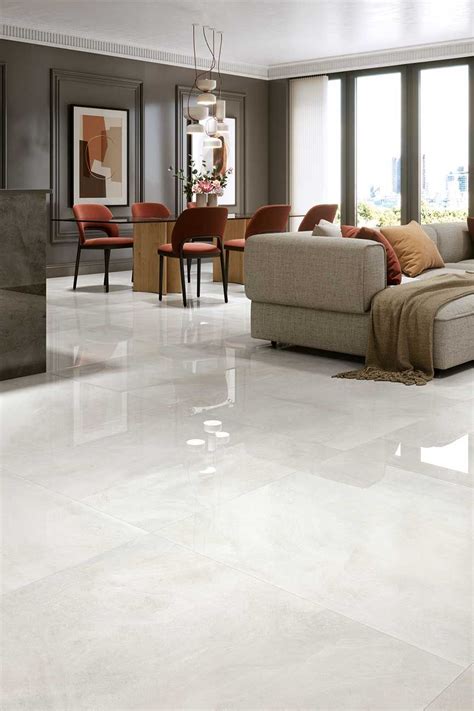
Large-format tiles continue to dominate modern residential architecture across the United States due to their ability to minimize grout lines and create seamless, expansive visuals. For 2026, Indian tile innovators have mastered the production of oversized porcelain slabs that incorporate subtle, artisanal imperfections and complex veining reminiscent of rare regional stones. This merging of large-scale engineering with handcrafted aesthetic nuances bridges the gap between sleek modernism and organic warmth.
Implementing large-format tiles in a U.S. living room requires careful consideration of structural subfloors and professional installation equipment, particularly for heavy imported slabs. When executed correctly, these tiles make compact urban apartments feel significantly larger and lend grand suburban living rooms an air of monumental permanence. The key is selecting neutral or softly variegated tones that allow the subtle texture of the glaze or stone print to catch natural light throughout the shifting hours of the day.
Sourcing, Shipping, and Practical Implementation in U.S. Homes
Bringing international design trends into an American residence involves practical logistical planning, particularly when sourcing specialty materials from overseas manufacturers. While direct-to-consumer international shipping has improved significantly, U.S. homeowners must account for lead times, custom tariffs, and potential shipping breakage when ordering specialty tiles. It is generally advisable to work with specialized U.S. tile showrooms and distributors that already maintain direct import partnerships with established Indian ceramic and porcelain houses.
Beyond logistics, installers must be briefed on the specific weight, thickness, and cutting requirements of imported tiles, especially when dealing with oversized slabs or intricate geometric cut-outs. Ensuring that your contractor understands the specific mortar and grout compatibility prevents long-term shifting or cracking. By factoring in these technical considerations early in the planning phase, homeowners can successfully achieve a globally inspired living room that combines stunning artisanal beauty with enduring structural integrity.
Frequently Asked Questions
What makes Indian tile trends for 2026 unique for U.S. homes?
Indian tile designs for 2026 uniquely combine high-tech manufacturing precision with rich, traditional artisanal aesthetics. They offer American homes an opportunity to introduce organic textures, matte finishes, and subtle geometric patterns that stand apart from mass-produced domestic tile options.
Are imported Indian tiles durable enough for high-traffic American living rooms?
Yes, the majority of contemporary Indian floor tiles destined for export are manufactured using durable porcelain bodies designed to withstand heavy foot traffic, impacts, and daily wear. Always verify the PEI rating and slip resistance specifications before purchasing for living spaces.
How can I use patterned tiles in a living room without making the space look cluttered?
The secret is strategic placement and restrained scale. Instead of tiling the entire floor, use patterned tiles for a fireplace surround, a specific accent zone, or a designated architectural alcove while keeping surrounding walls, furniture, and flooring in calm neutrals.
What should U.S. homeowners keep in mind regarding shipping and installation lead times?
Importing specialty tiles requires planning for extended shipping windows, customs clearance, and potential freight costs. It is always wise to order a 10% to 15% overage to account for cuts and accidental breakage during transit or installation.