A well-crafted shelving unit does much more than simply hold books or display knick-knacks; it serves as a central design anchor that defines the character of a room. In American homes and apartments, where spatial layouts vary drastically from historic brownstones to modern suburban builds, striking the right balance between utility and visual appeal is essential. Mass-produced furniture often falls short of capturing personal taste or fitting awkward architectural dimensions, making custom or customized shelving an appealing project for any design enthusiast.
Approaching a shelving project requires a clear strategy that balances structural stability, material selection, and aesthetic curation. Whether you are looking to build a statement piece from scratch or transform an affordable flat-pack bookcase into a bespoke masterpiece, thoughtful planning ensures the final result feels integrated and intentional. By understanding how to work within standard U.S. construction constraints—such as wood-stud spacing and drywall limitations—you can create a stunning focal point that remains secure for years to come.
Assessing Your Space and Lifestyle Needs
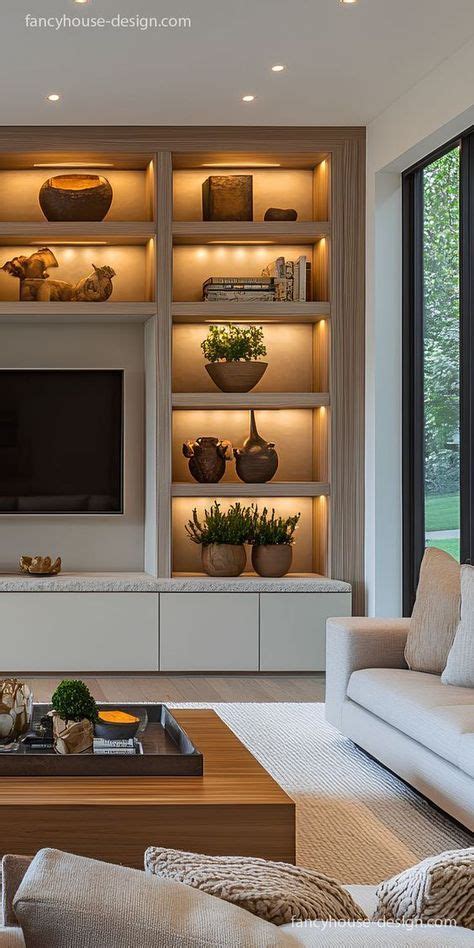
Before purchasing hardware or cutting lumber, evaluate the physical dimensions and lighting conditions of your chosen wall. American living rooms and dens often feature standard 8-foot ceilings, but older properties may present uneven plaster walls, while newer apartments rely heavily on hollow drywall. Take precise measurements of the available floor space or wall area, keeping in mind doorways, electrical outlets, and heating vents that might disrupt the visual flow of a large unit.
Equally important is defining the primary function of the shelving. Consider whether the unit will house a heavy collection of hardcover books, conceal electronics, or display a curated gallery of ceramics and framed art. Families with children or pets will prioritize lower, closed storage solutions paired with securely anchored upper open shelves, whereas minimalists might opt for slender, floating configurations that emphasize negative space and clean architectural lines.
Selecting the Right Materials for American Homes
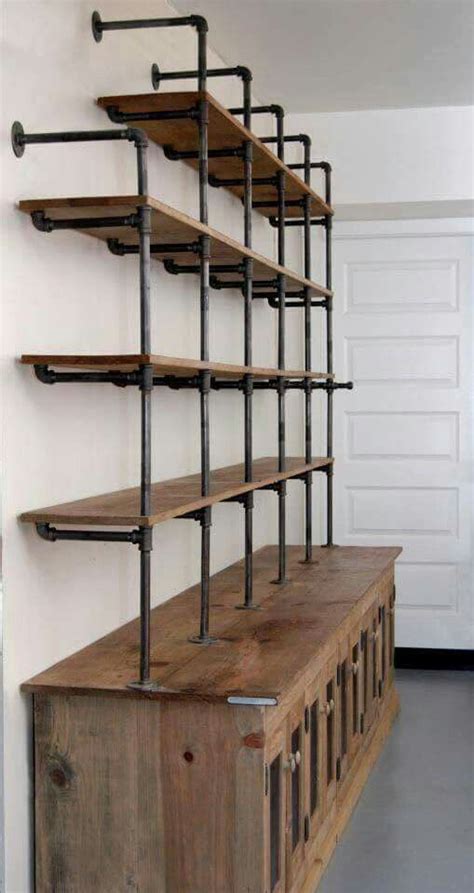
The materials you choose dictate both the durability and the aesthetic vibe of your shelving unit. Reclaimed timber and solid oak bring warmth and organic texture to modern farmhouse or rustic interiors, while black iron piping and raw steel channels lean heavily into industrial or urban loft aesthetics. When sourcing lumber from local U.S. hardware stores or specialty timber yards, inspect the boards for warping and ensure they are properly kiln-dried to prevent future shifting in climate-controlled indoor environments.
Weight capacity must also guide your material decisions. Solid hardwoods like walnut, maple, or white oak offer superior strength-to-weight ratios compared to standard particleboard, making them ideal for heavy book collections. If you prefer a lighter, more contemporary look, powder-coated aluminum brackets paired with thick MDF boards can deliver sleek lines without sacrificing structural integrity, provided the fasteners are rated for appropriate load distributions.
Customization and DIY Enhancement Techniques
Transforming a basic, store-bought shelving unit into something extraordinary often requires surprisingly simple modifications. One effective technique is adding decorative wood molding or fluted trim to the outer frame, creating the illusion of expensive built-in millwork. Painting or staining the unit in a dramatic, saturated color—such as deep forest green, charcoal gray, or warm terracotta—instantly elevates the piece and allows it to harmonize with your existing wall color or trim palette.
Hardware upgrades represent another straightforward path to personalization. Swapping out standard assembly screws for artisan brass brackets, leather strap hangers, or matte black industrial flanges instantly alters the character of the shelves. Taking the time to fill screw holes, sand raw edges, and apply a durable polyurethane or wax finish ensures the final product looks professionally crafted rather than hastily assembled.
Styling and Curation Strategies
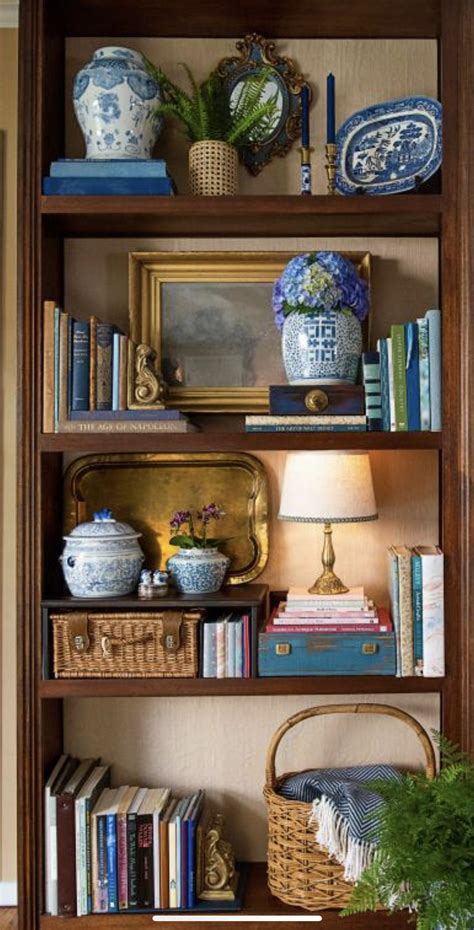
Once your shelving unit is securely installed, the styling phase brings your personal narrative into the space. Avoid the temptation to fill every square inch of shelf space; instead, embrace the principle of negative space to let individual objects breathe. Group items in odd-numbered clusters, varying heights and textures by pairing smooth glass vases with rough stone sculptures, woven baskets, and stacks of vertically and horizontally arranged books.
To create visual balance, distribute heavier visual elements like large storage boxes or dense book blocks across different levels rather than clustering them in one corner. Introduce organic elements, such as trailing pothos vines or small potted succulents, to soften the geometric rigidity of the shelves. Rotating seasonal accents or framed photographs allows the unit to evolve alongside your personal taste throughout the year without requiring a complete overhaul.
Rental-Friendly Installation and Safety Considerations
For renters living in apartments or townhomes across the U.S., drilling large holes into walls is often restricted by lease agreements. Fortunately, tension-pole shelving systems, leaning ladder shelves, and heavy-duty adhesive mounting solutions offer stylish alternatives that minimize wall damage while providing sturdy storage. When freestanding units are preferred, placing felt pads underneath prevents scratching on hardwood or luxury vinyl plank flooring.
Regardless of whether you rent or own, safety must remain a top priority, particularly when anchoring furniture into American drywall. Always locate wall studs using an electronic stud finder before hanging heavy shelves, and utilize toggle bolts or heavy-duty anchors when stud placement does not align with your bracket holes. Securing taller shelving units to the wall with anti-tip brackets prevents accidental tipping hazards, ensuring a safe and functional display space for your household.
Frequently Asked Questions
How can I make a basic shelving unit look custom and expensive?
You can elevate a standard shelving unit by adding crown molding or trim to the edges, painting or staining the entire piece in a rich, custom color, and upgrading the visible brackets or hardware to artisan finishes like brushed brass or matte black iron.
What are the best materials for building sturdy shelves?
Solid hardwoods such as oak, maple, walnut, and poplar provide exceptional strength and durability for heavy loads. For a lighter, modern look, thick medium-density fiberboard (MDF) or plywood finished with edge-banding offers a clean, warp-resistant surface.
How do I style open shelves without creating visual clutter?
Focus on a balanced mix of books, art, and decorative objects while leaving plenty of negative space empty. Group items in odd numbers, vary heights and textures, and use closed storage baskets on lower shelves to hide miscellaneous items.
Can I install heavy shelving in a rental apartment without damaging walls?
Yes, you can use leaning ladder shelves, tension-rod systems, or modular freestanding units that do not require permanent wall mounting. If hanging lightweight shelves is permitted, small anchor holes are generally easy to patch with spackle before moving out.
How do I ensure my shelving unit is safely anchored to drywall?
Always attempt to screw shelf brackets directly into wooden wall studs using a stud finder. If studs are unavailable, use rated drywall toggle anchors or heavy-duty hollow-wall fasteners to support the intended weight safely and prevent tipping.