Outdoor living spaces across American homes have evolved far beyond traditional patios and decks. Property owners and renters alike increasingly look toward flexible, temporary structures that expand usable square footage during pleasant seasons. Among these options, multi-room tents have emerged as a premier solution for extending indoor comforts into the backyard, national parks, or family campgrounds. Offering distinct partitions, tall ceilings, and weather-resistant fabrics, these shelters bridge the gap between traditional camping and comfortable modern living.
When evaluating multi-room configurations, buyers must weigh several structural and functional factors. Unlike standard dome tents meant strictly for sleeping, multi-room models function like portable cabins. They provide dedicated zones for sleeping, gear storage, or lounging, making them exceptionally valuable for extended family trips or hosting backyard sleepovers. Understanding how these features align with your specific lifestyle needs ensures you invest in a shelter that delivers long-term utility, comfort, and peace of mind.
Evaluating Multi-Room Tents for American Homes and Backyards
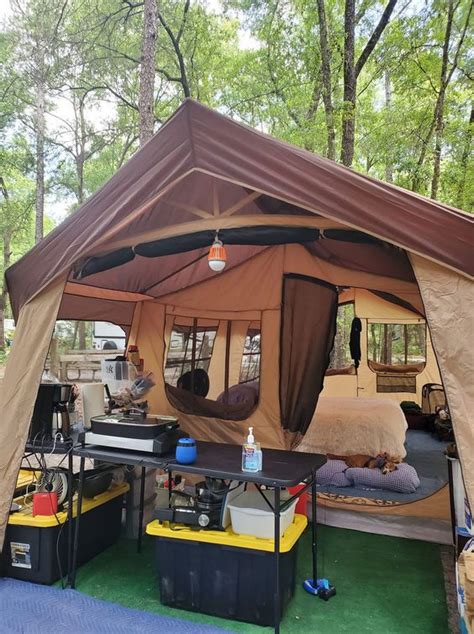
Choosing a multi-room tent requires a clear understanding of how you plan to use the space. For suburban homeowners creating an immersive backyard camping experience for children, ease of assembly and aesthetic integration with the landscape are often primary concerns. On the other hand, families planning weekend getaways to state campgrounds or regional parks prioritize heavy-duty waterproof ratings, robust steel or fiberglass poles, and wind-resistant framing. Balancing these priorities helps narrow down the vast selection available in the American marketplace.
Another vital consideration involves analyzing the true capacity of advertised tent sizes. Manufacturers often calculate sleeping capacity based on standard sleeping pads laid side by side, leaving very little room for personal gear or moving around. If a tent is marketed for eight people, treating it as a comfortable four-to-six person shelter usually yields a much more realistic and enjoyable experience. This extra headroom and floor space allow for air mattresses, camp chairs, and partitioned privacy dividers without making the interior feel cramped.
Key Layout Configurations and Architectural Styles
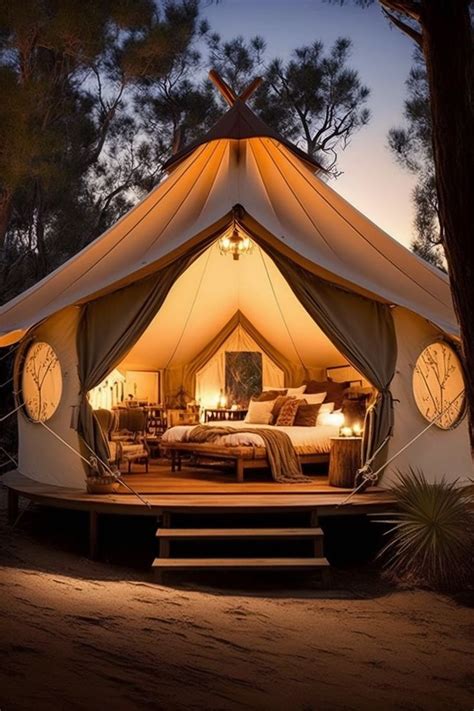
Cabin-style tents represent the gold standard for multi-room living due to their near-vertical walls and high ceilings. These architectural designs maximize usable interior volume, allowing adults to stand fully upright and walk around without stooping. Most cabin tents utilize color-coded steel poles and pin-and-ring systems that simplify the initial assembly process, though their height and weight mean they generally require two people to pitch correctly.
Tunnel tents and hybrid dome configurations offer a different set of trade-offs. Tunnel designs rely on curved parallel poles that create a streamlined profile against strong winds, making them popular in coastal or mountainous regions of the United States. However, their sloping walls reduce perimeter headroom compared to traditional cabin models. When selecting a layout, consider whether your primary goal is maximum vertical space for hanging out during rainy afternoons or aerodynamic stability against unpredictable seasonal storms.
Essential Features for Durability and Comfort
Weather resistance remains a non-negotiable factor when investing in a multi-room shelter. Look for models featuring factory-sealed seams, durable polyethylene or oxford polyester floors, and waterproof rainflies with high hydrostatic head ratings. A full-coverage rainfly that extends down the sides prevents moisture seepage during severe downpours, while taped seams block water from penetrating needle holes. Additionally, adequate ventilation through mesh ceiling panels and ground-level vents is crucial to minimize internal condensation during humid American summers.
Privacy dividers and multiple entry points significantly enhance the livability of large tents. Removable or zippered curtains allow a single large interior to transform into two or three private rooms, creating separate spaces for parents and children or creating a dedicated changing area. Multiple doors eliminate the hassle of climbing over fellow campers in the middle of the night and encourage natural cross-ventilation. By prioritizing these structural enhancements, you create a reliable, functional outdoor extension that elevates every camping trip or backyard retreat.
Frequently Asked Questions
What are the best multi-room tents for families?
The best family multi-room tents feature sturdy steel pole frames, high ceilings that allow standing room, and heavy-duty waterproof rainflies. Cabin-style tents are generally preferred for families because their near-vertical walls maximize usable floor space and accommodate room dividers easily.
How easy is it to set up a multi-room tent?
Setup complexity varies by model and size. While lightweight hybrid tents can often be pitched by one person, large multi-room cabin tents typically require two adults due to their weight, height, and complex pole structures. Following manufacturer instructions and practicing a backyard setup before a trip makes assembly much smoother.
Are multi-room tents durable in heavy rain and wind?
Many multi-room tents handle standard rain and moderate wind effectively when properly staked and guyed out. However, due to their large surface area and high profiles, traditional cabin tents can struggle in severe high-wind storms compared to low-profile geodesic or tunnel tents.
How do I choose the right size tent for my household needs?
A reliable rule of thumb is to subtract two people from the manufacturer’s stated capacity if you plan to use cots, air mattresses, or store gear inside. For example, a designated six-person tent comfortably houses four people with luggage and allows room to move freely between partitions.


