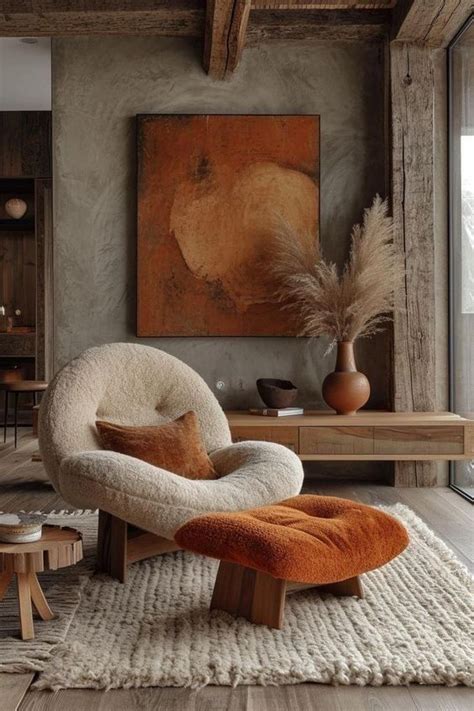
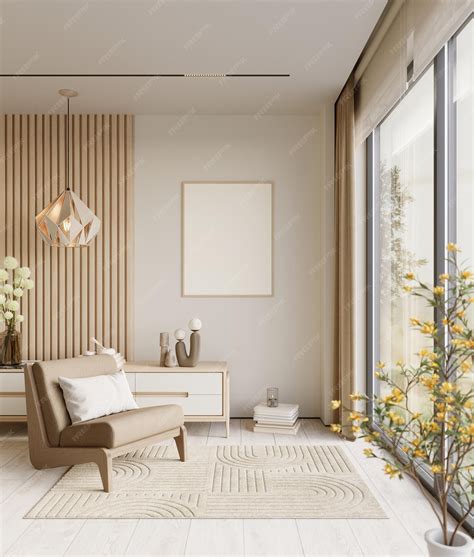
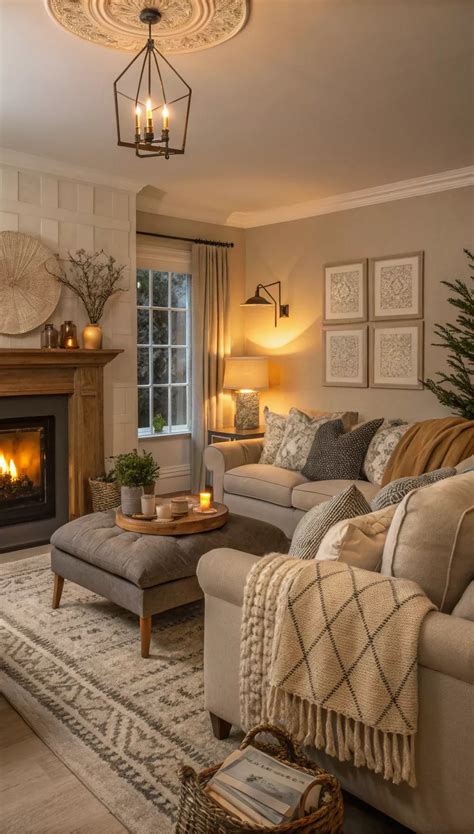
A well-chosen rug acts as the anchor of a room, tying together disparate furniture pieces, dampening sound, and bringing essential warmth to hardwood or tile flooring. Yet, walking into a home decor store or browsing online catalogs can quickly become overwhelming when faced with an endless array of dimensions, textures, and fiber types. Selecting the right piece requires balancing practical household needs—such as foot traffic and pet management—with spatial design principles that make a room feel balanced rather than cramped.
To find a piece that truly transforms your space, it helps to approach the selection process methodically. By understanding standard sizing rules, comparing material durability, and evaluating how a pattern interacts with your existing interior architecture, you can avoid costly mistakes. Whether you are settling into a newly purchased house or refreshing a rental apartment, a strategic approach ensures your investment enhances both comfort and visual appeal for years to come.
Mastering Room-by-Room Rug Sizing and Furniture Placement
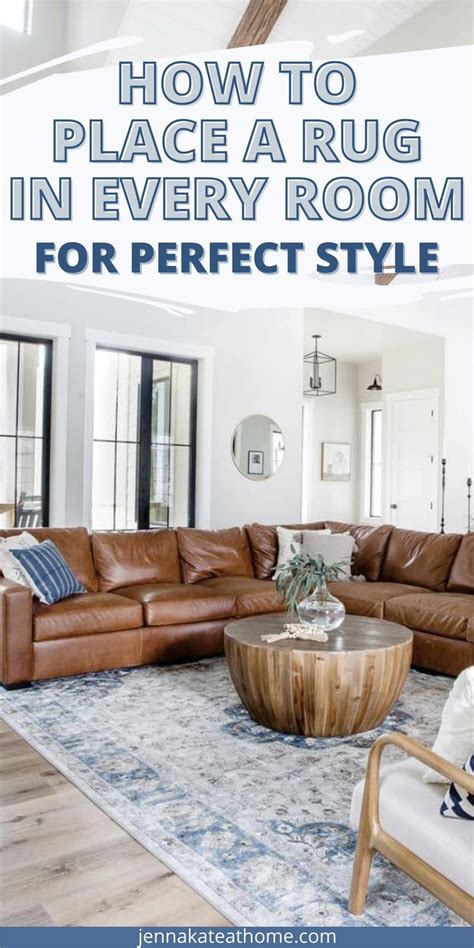
One of the most common design missteps in American homes is purchasing a rug that is simply too small for the space. A postage-stamp-sized rug floating in the middle of a large living room makes the entire area feel disconnected and disjointed. When planning your layout, the golden rule is to give your furniture room to breathe while establishing a clear visual boundary. In standard living rooms, aim for an area rug large enough that at least the front legs of your sofa and armchairs rest comfortably on the surface.
For a foolproof visualization technique before buying, grab a roll of blue painter’s tape and map out the exact dimensions of prospective rug sizes directly on your floor. Walk around the furniture arrangement to verify that chairs can be pulled out from tables or sofas without catching on the rug edge. In dining rooms, your rug should extend at least 24 inches beyond the table perimeter on all sides, ensuring that chair legs remain on the rug even when guests slide them back to sit down or stand up.
Selecting the Ideal Fiber: Natural Versus Synthetic Materials
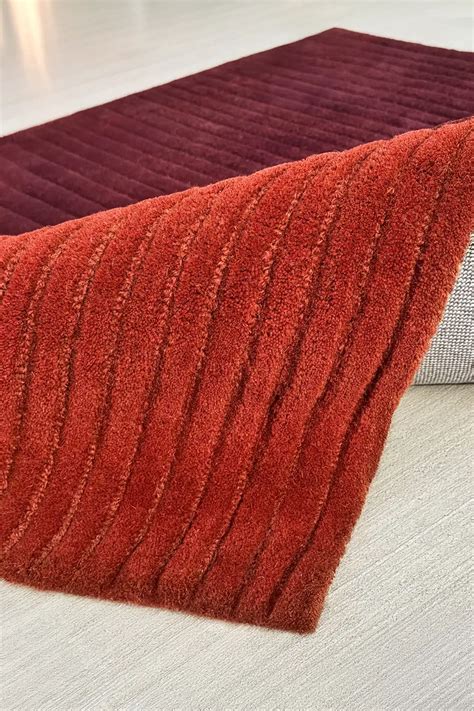
Material selection dictates how a rug feels underfoot, how long it will last, and how much maintenance it will demand on a weekly basis. Natural fibers like wool, jute, sisal, and cotton offer incredible organic texture and timeless appeal. Wool is the gold standard for living areas and bedrooms due to its natural resilience, soft lanolin coating that resists stains, and cozy warmth. However, new wool rugs tend to shed loose fibers during their first few months of use, requiring frequent vacuuming until the initial staple fibers settle.
Jute and sisal bring wonderful coastal or bohemian texture into a room, but they can be rougher underfoot and sensitive to moisture, making them poor choices for damp entryways or pet-heavy zones prone to accidents. For high-traffic family rooms, playrooms, or households with dogs and cats, synthetic fibers like polypropylene, nylon, and polyester present durable, stain-resistant alternatives. These engineered materials handle aggressive spot cleaning remarkably well and resist fading when exposed to direct sunlight streaming through large living room windows.
Styling Strategies and Layering for U.S. Apartments and Homes

Renters often face unique design constraints, such as uninspired wall-to-wall carpeting or rigid lease agreements that prohibit structural flooring upgrades. A large, neutral area rug serves as an ideal rental solution, instantly masking dated rental carpet while defining your specific living zone. To add personality and depth without overwhelming a compact apartment layout, consider layering a smaller vintage-style or patterned kilim rug on top of a larger, neutral jute or sisal base. This technique introduces sophisticated texture while keeping the foundational layer budget-friendly.
When mixing patterns between your rug, throw pillows, and drapery, stick to a cohesive color palette rather than matching everything identically. If your sofa features a bold, graphic pattern, anchor the seating arrangement with a heavily textured solid or subtly striped rug to prevent visual fatigue. Conversely, if your larger furniture pieces feature clean, neutral upholstery, use the rug as your statement piece to introduce rich jewel tones, intricate Persian motifs, or modern abstract geometry into your home.
Frequently Asked Questions
What size rug do I need for a standard living room?
For a standard living room, an 8×10 or 9×12 rug is typically required to ensure that the front legs of your major seating pieces rest comfortably on the surface. Smaller rooms may accommodate a 5×7 rug, provided all furniture floats entirely off the rug or rests completely upon it.
How do I choose a rug material that holds up to pets and high traffic?
Look for synthetic fibers like polypropylene or nylon, which offer high durability, easy stain removal, and resistance to heavy foot traffic. Wool is also an excellent natural choice for durability, though it requires regular vacuuming to manage initial shedding.
Should all furniture legs be on the rug or off?
There are three main layout options: all legs on the rug (creates a luxurious, unified zone), front legs on and back legs off (the most common and balanced approach for living rooms), or all legs off (best for small accent rugs or highlighting a specific floor type).
How do I style a rug in a rental apartment without permanent installation?
Use a large, neutral area rug over existing rental flooring to anchor your furniture layout and define your space. You can easily layer smaller patterned rugs on top for added texture, and use a quality non-slip rug pad underneath to keep everything secure without damaging the floor below.