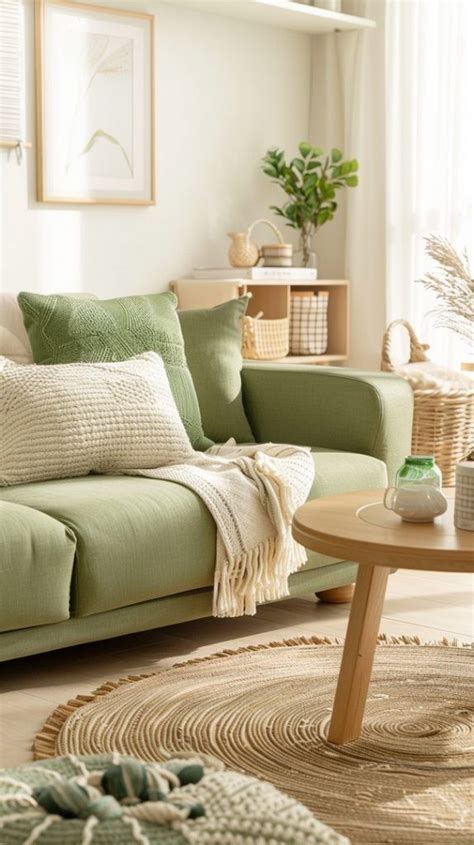
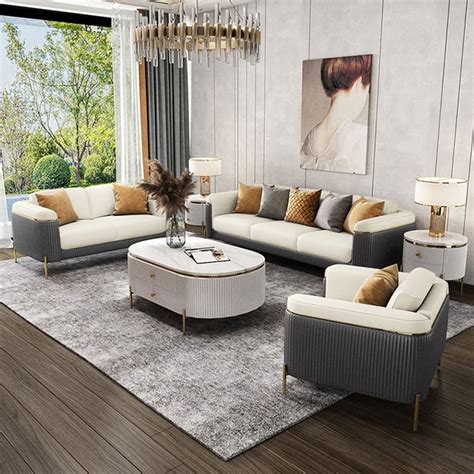
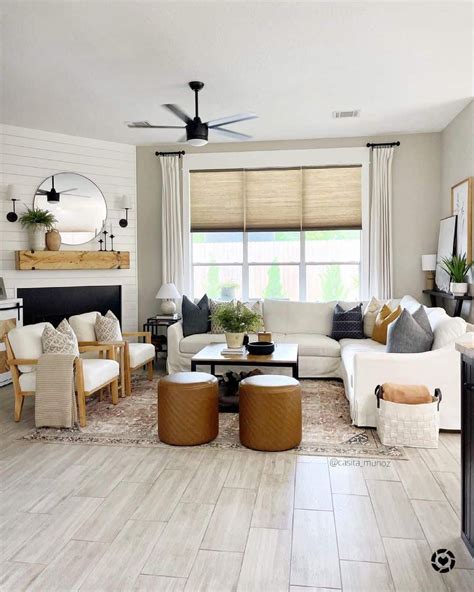
When designing or updating a living room in the United States, homeowners frequently seek a balance between cozy warmth and sleek, contemporary lines. While minimalist metal frames and synthetic surfaces have their place, nothing anchors a room quite like a cohesive arrangement of wooden furniture. Investing in thoughtfully selected wood living room sets introduces natural texture, architectural grounding, and an enduring sense of craftsmanship that withstands shifting design trends.
However, bringing wooden elements into a modern layout requires a thoughtful approach to prevent the space from feeling heavy, dark, or overly traditional. By understanding the distinct characteristics of different hardwoods, evaluating quality markers, and thoughtfully coordinating wood tones with your textiles, you can create a sophisticated environment that feels both fresh and deeply grounded.
Understanding Hardwood Varieties for Modern Living Spaces
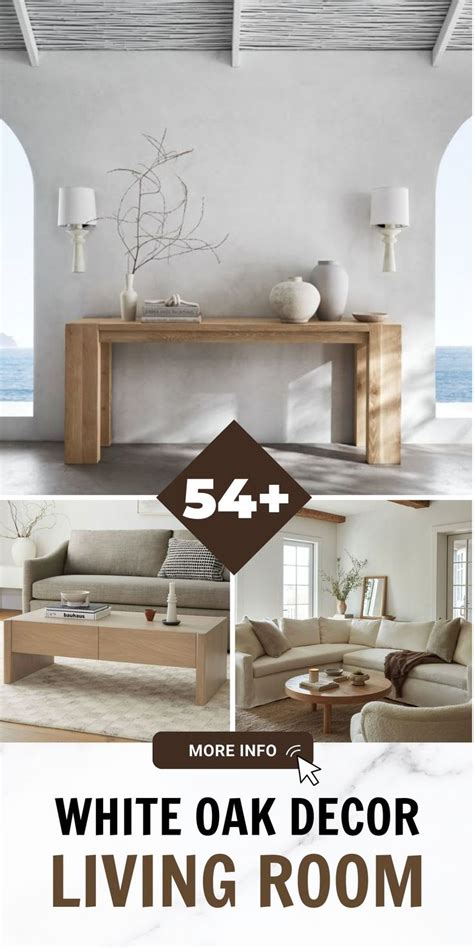
The foundation of any exceptional furniture set begins with the lumber itself. Different timber species offer distinct grain structures, color variations, and physical properties that drastically influence the mood of your living room. When shopping for modern American homes, white oak, American walnut, and hard maple stand out as premier choices due to their structural integrity and versatile aesthetic appeal.
White oak has experienced a massive resurgence in contemporary interior design, prized for its subtle, straight grain and neutral undertones. It accepts stains uniformly and works exceptionally well in Scandinavian, transitional, and coastal modern settings. American walnut, by contrast, brings a dramatic mid-century flair with its rich chocolate hues and striking, fluid grain patterns. It adds immediate luxury and depth to a room, serving as a stunning focal point without requiring heavy ornamentation.
Hard maple offers a cleaner, more uniform appearance with a fine texture and pale blonde coloring. It is exceptionally dense, making it a brilliant option for busy family households where durability is paramount. When selecting your set, consider how the natural grain will interact with the natural light entering your windows throughout the day.
Balancing Traditional Warmth with Contemporary Silhouette Lines
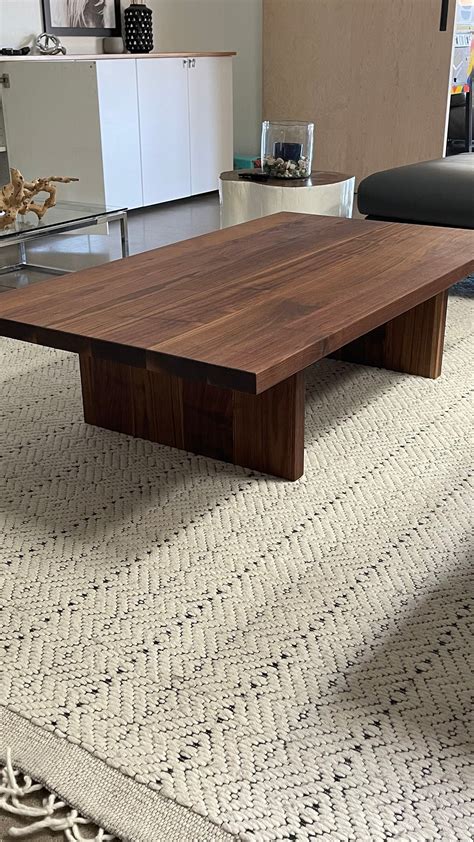
A common hesitation among modern homeowners is that matching wooden furniture sets might make a living room look like a rigid, dated catalog showroom. The secret to avoiding this pitfall lies in silhouette selection. Modern manufacturing techniques allow craftsmen to produce wooden frames with tapered legs, slender profiles, and softly rounded edges that echo mid-century and minimalist sensibilities.
Instead of ornate carvings and bulky proportions, look for living room sets that feature clean geometric lines and unadorned surfaces. A coffee table with slender splayed legs paired with a streamlined media console and low-profile end tables creates visual breathing room. This keeps the space feeling open and airy, even when utilizing dense, substantial materials like solid hardwood.
Furthermore, you do not need to match every single wooden element in the room to an identical shade. Mixing complementary undertones—such as pairing a dark walnut coffee table with white oak shelving—adds layered character. The key is ensuring that the sheen level and overall design style remain cohesive, tying the disparate pieces together through shared architectural proportions.
Evaluating Quality Markers: Solid Wood Versus Engineered Alternatives
Navigating the furniture market requires a keen eye for construction quality and material honesty. True solid wood furniture offers unmatched longevity and the unique ability to be sanded and refinished decades down the line. When inspecting a prospective living room set, look closely at joinery methods. Traditional techniques such as dovetail drawers and mortise-and-tenon joints indicate superior craftsmanship designed to handle daily wear and tear.
At the same time, high-quality wood veneers over stable engineered cores should not be automatically dismissed. Premium furniture makers frequently utilize quarter-sawn veneers on large, flat surfaces like table tops or cabinet doors to prevent warping caused by seasonal humidity shifts in American climates. However, always verify that the structural frames and legs are constructed from solid hardwood to ensure structural stability.
Ask retailers about the finishing process as well. UV-cured finishes or natural hardwax oils protect the wood from moisture and everyday spills while allowing the organic texture of the grain to remain tactile. A quality finish enhances the natural beauty of the timber rather than masking it beneath a thick, plastic-like shell.
Layout Strategies for Integrating Wood Sets in Various Room Sizes
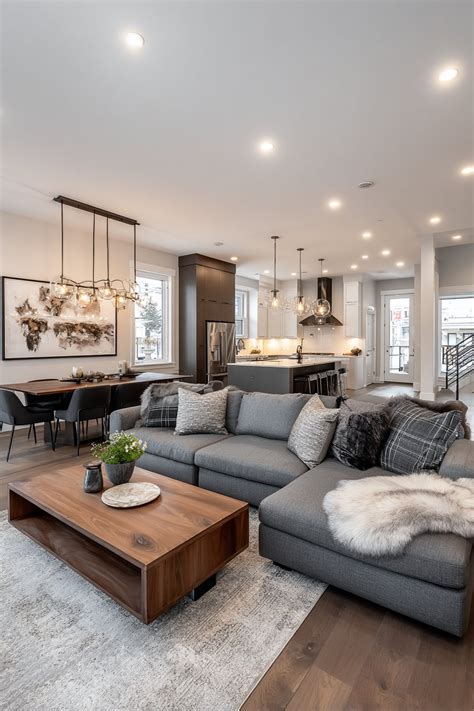
Integrating a complete wood living room set requires careful spatial planning, whether you are furnishing an open-concept suburban home or a compact urban apartment. In smaller spaces, bulky furniture can quickly overwhelm the floor plan. Opt for sets that feature elevated bases or glass-insets, which allow light to pass underneath and around the furniture, creating an illusion of expanded square footage.
In larger open-concept spaces, your wooden furniture serves as a crucial zoning tool. A substantial wood media console can anchor the TV viewing area, while matching end tables define the boundaries of your conversational seating arrangement. To prevent the room from feeling monochromatic, break up the expanse of wood by introducing soft textiles, textured area rugs, and upholstered seating in contrasting neutral fabrics like linen, bouclé, or leather.
Frequently Asked Questions
What wood types are best for modern living room sets?
White oak, American walnut, and hard maple are among the best choices for modern homes. White oak offers a neutral, versatile canvas, walnut provides rich mid-century warmth and drama, and hard maple delivers exceptional density and durability for active households.
How do I style a wood living room set so it doesn’t look outdated?
To keep wooden furniture looking modern, choose pieces with clean lines, tapered legs, and minimal ornamentation rather than heavy, ornate traditional carvings. Balance the wooden surfaces by incorporating modern textiles, metallic accents, and plenty of natural light.
What is the difference between solid wood and veneer furniture?
Solid wood consists entirely of natural timber throughout the piece, allowing it to be refinished multiple times. Veneer furniture features a thin layer of premium hardwood bonded over an engineered wood core, which helps prevent warping on large surfaces while maintaining an authentic look.
Are wood living room sets suitable for smaller modern homes?
Yes, wood sets work wonderfully in smaller spaces if you choose scaled-down, streamlined designs. Look for pieces with exposed legs and lower profiles to maintain visual floor space and prevent the room from feeling cramped.