Designing a compact living room often feels like solving a complex spatial puzzle. When square footage is limited, every single piece of furniture, every color choice, and every decorative accessory must work double-duty. Rather than viewing a small footprint as an uninspiring constraint, approach it as an opportunity to curate a more intentional, highly functional environment. By blending smart layout planning with sophisticated aesthetic choices, you can create a room that feels remarkably open, deeply comfortable, and visually striking.
Achieving this balance requires looking past conventional styling rules and focusing instead on scale, light, and multipurpose utility. Whether you live in a city apartment or a cozy suburban bungalow, understanding how to manipulate sightlines and harness vertical architecture makes all the difference. The following strategies provide actionable, realistic frameworks for transforming your compact gathering space into a streamlined haven of style and utility.
Prioritize Multi-Functional and Modular Furniture
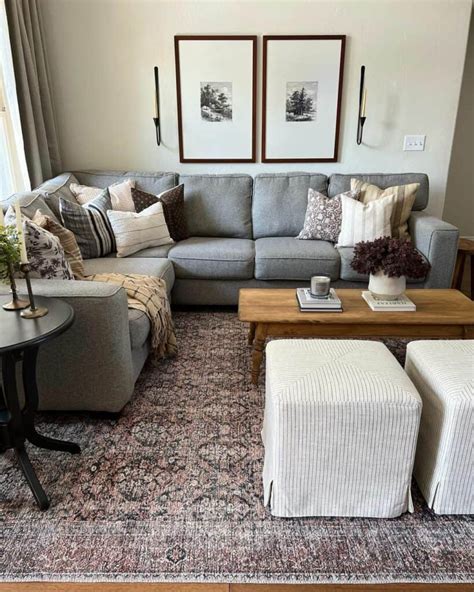
In a tight living space, every item must justify its footprint. Traditional bulky sectionals and heavy coffee tables often overwhelm compact rooms, restricting movement and creating visual clutter. Instead, invest in multi-functional furnishings such as storage ottomans, nesting coffee tables, or a sleek sleeper sofa that accommodates overnight guests without demanding permanent square footage.
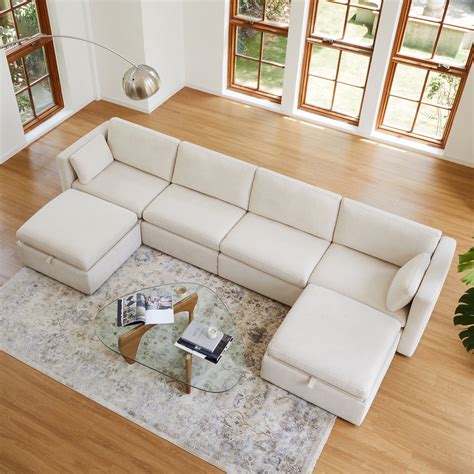
Modular seating systems are another exceptional choice for challenging layouts because they adapt as your needs evolve. You can reconfigure modular pieces into a traditional L-shape, split them into conversational groupings, or push them against walls to clear floor space for everyday activities. When shopping for these items, look for pieces with exposed legs rather than solid bases down to the floor. Visible light passing underneath furniture creates a subtle optical illusion, making the room feel noticeably wider and more expansive.
Harness Vertical Space and Intelligent Wall Storage
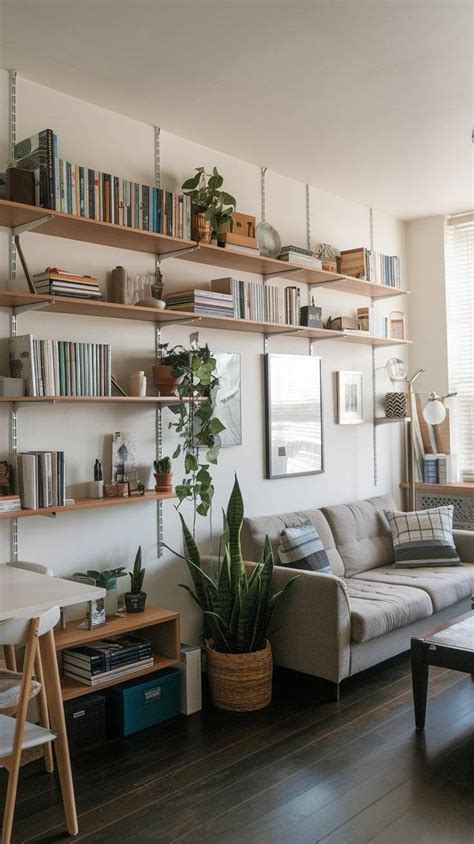
When horizontal square footage is severely restricted, looking upward is the most logical design maneuver. Floor-to-ceiling shelving units, floating wall cabinets, and vertical art arrangements draw the eye upward, emphasizing room height rather than narrow width. This strategy not only clears valuable floor space for traffic flow but also introduces architectural interest to otherwise plain drywall.
For renters who cannot anchor heavy cabinetry into studs, tension-pole shelving systems or leaning bookcases offer a secure, renter-friendly alternative. Style these vertical displays with a balanced mix of books, framed artwork, and closed storage baskets. Keeping everyday clutter hidden inside attractive woven bins or lidded boxes maintains a clean, minimalist aesthetic while ensuring your belongings remain easily accessible.
Optimize Color Palettes and Layered Lighting Strategies
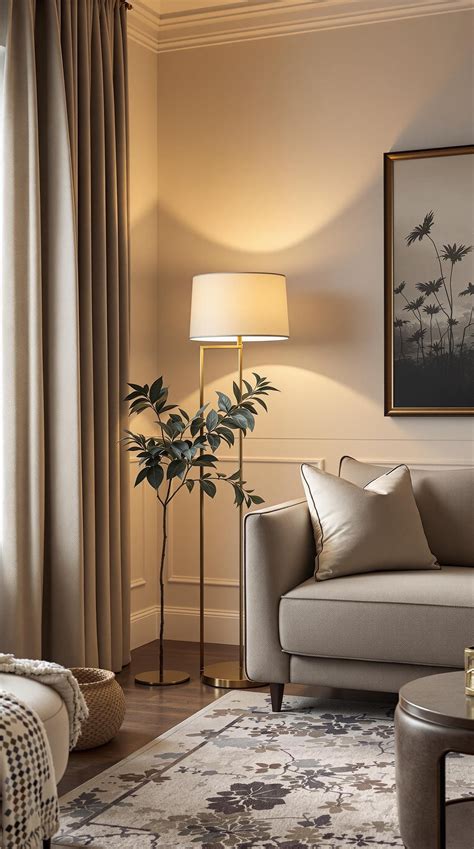
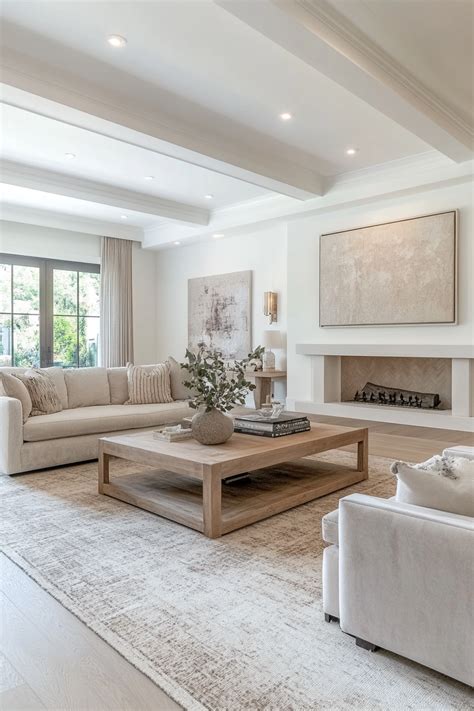
Color is one of the most powerful tools in interior design for manipulating spatial perception. While stark white walls are the traditional prescription for small rooms, soft monochromatic palettes featuring warm neutrals, muted grays, or desaturated earth tones add cozy depth without shrinking the room. Painting trim and baseboards the same color as the walls blurs room boundaries, tricking the eye into seeing a more expansive boundary.
Complement your color strategy with a layered lighting plan that eliminates dark, shadowy corners. Relying solely on a single overhead ceiling fixture flattens a room and highlights its compact dimensions. Instead, combine wall sconces, slender floor lamps, and tabletop accent lighting at various heights. This dimensional approach washes walls in soft illumination, bouncing natural and artificial light around the space to make the entire room feel brighter and more open.
Select the Right Rug Size and Strategic Floor Layouts
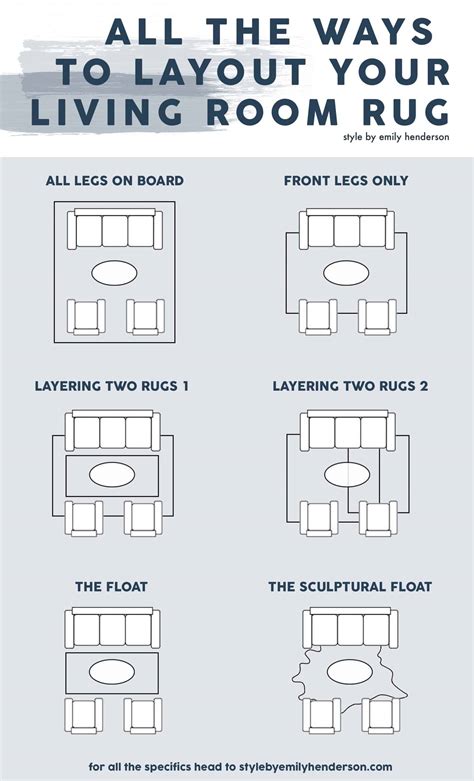
One of the most common mistakes in small living rooms is selecting a rug that is too small, which instantly chops up the floor plane and makes the room feel cramped. A properly proportioned area rug should be large enough for the front legs of all major seating pieces to rest comfortably upon it, anchoring the conversation area and creating a cohesive visual anchor.
When arranging your furniture, resist the temptation to push every single item directly against the walls. While it seems counterintuitive, floating your sofa just a few inches away from the wall can actually improve airflow and traffic circulation. Keep walkways clear of sharp corners by selecting rounded coffee tables or organic-shaped side tables, which soften the overall geometry and make navigating a tight space much more comfortable.
Frequently Asked Questions
How can I make a small living room look bigger?
To make a compact living room feel more expansive, focus on maximizing light and maintaining clear sightlines. Use neutral, cohesive color palettes, incorporate furniture with exposed legs to show more flooring, hang sheer window treatments to invite maximum natural light, and use large mirrors to reflect illumination across the room.
What kind of furniture works best in a tiny living space?
Multi-functional and modular pieces are ideal for small spaces. Look for storage ottomans, extendable or nesting coffee tables, and slim-profile seating. Furniture with exposed wooden or metal legs is preferable because it allows light to pass underneath, reducing visual heaviness.
How do I arrange furniture in a narrow or small living room?
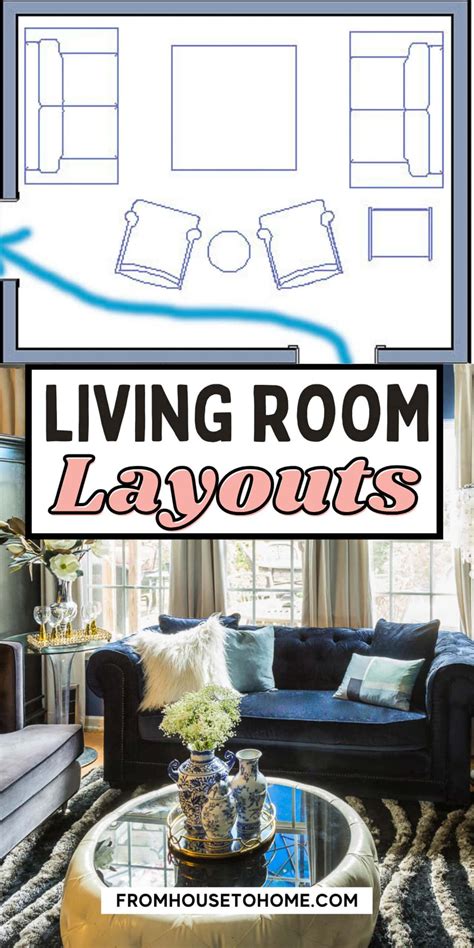
Avoid the instinct to push all furniture against the perimeter walls. Instead, float the primary seating arrangement slightly inward, ensure clear pathways for walking, and use a suitably large area rug to unify the zone. Choose rounded or oval tables to prevent bruised shins and soften tight spatial geometry.
What are the best colors to paint a small living room?
Warm neutrals, soft off-whites, muted grays, and gentle earth tones work exceptionally well in small rooms because they reflect light and create an airy atmosphere. Monochromatic schemes—where walls, trim, and baseboards share similar hues—also help blur boundaries and make the space feel larger.