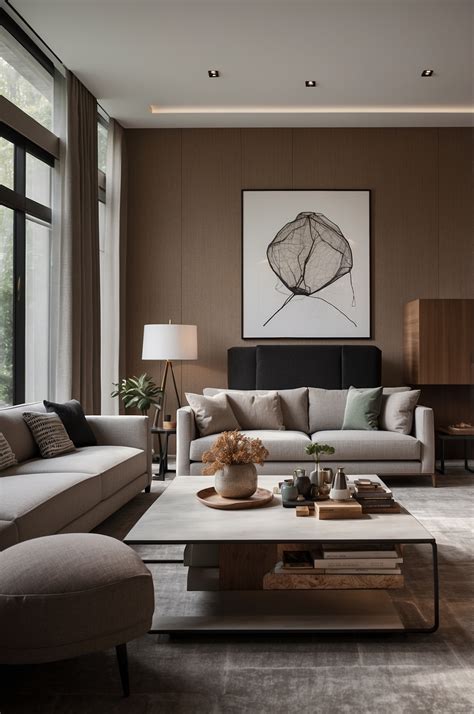
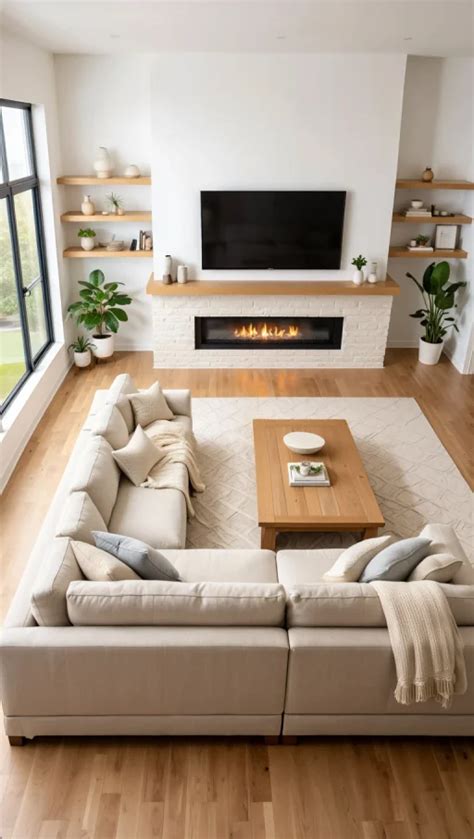
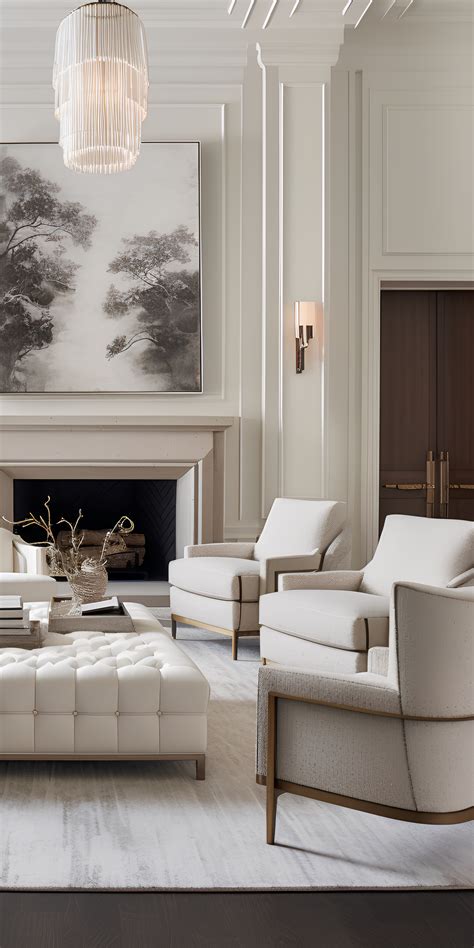
American living rooms are undergoing a quiet yet profound shift. As homeowners and renters spend more time working, relaxing, and gathering in their primary living spaces, the focus has moved away from sterile minimalism toward spaces that feel deeply personal, tactile, and nurturing. Whether you are redecorating a suburban craftsman or refreshing a metropolitan apartment, understanding upcoming design directions helps you make intentional choices that last.
Successfully updating your home does not require gutting your entire floor plan or chasing every fleeting social media fad. Instead, incorporating thoughtful updates—such as layering richer textures, introducing grounding earth tones, or improving room flexibility—allows your home to evolve gracefully. This guide explores the most compelling design shifts gaining traction across U.S. households, offering realistic strategies to blend high-end inspiration with everyday durability.
Embracing Warm Color Palettes and Earthy Textures
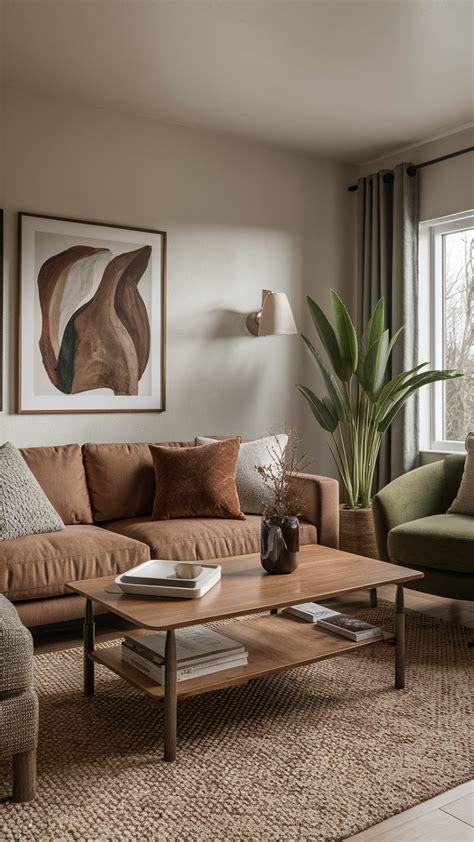
Cool grays and stark white walls are steadily making room for enveloping, tactile environments. American interiors are leaning into warm terracotta, rich olive greens, muted ochres, and creamy off-white shades that instantly make a large room feel cozy or add intimacy to a compact urban apartment. These rich hues create a welcoming backdrop that responds beautifully to changing natural light throughout the day.
Texture plays an equal role in this warmer design direction. Layering bouclé upholstery, brushed oak furnishings, raw travertine coffee tables, and heavy woven rugs prevents monochromatic spaces from feeling flat. When choosing fabrics for family-friendly spaces, look for performance wools, heavy linens, and stain-resistant velvets that offer luxurious tactile appeal without sacrificing the resilience needed for households with children or pets.
Prioritizing Multi-Functional Spaces and Flexible Layouts
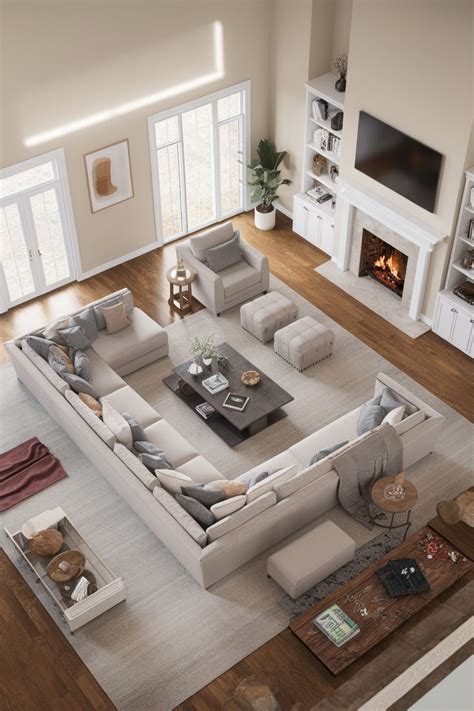
The modern American living room rarely serves just one purpose. It frequently doubles as a home office, a children’s play area, or a quiet zone for reading and unwinding. Designing with flexibility in mind ensures that your square footage works harder without feeling cluttered or chaotic. Modular sectionals, nesting tables, and lightweight accent chairs allow you to shift the room’s configuration effortlessly depending on whether you are hosting guests or enjoying a quiet evening.
Incorporating clever hidden storage is another cornerstone of flexible layout planning. Media consoles with louvered doors, storage ottomans, and built-in shelving help keep everyday items out of sight while maintaining an open, airy aesthetic. By investing in versatile foundational furniture, you can easily adapt your living room to shifting lifestyle demands without having to purchase entirely new pieces every few years.
Integrating Biophilic Design and Indoor Greenery
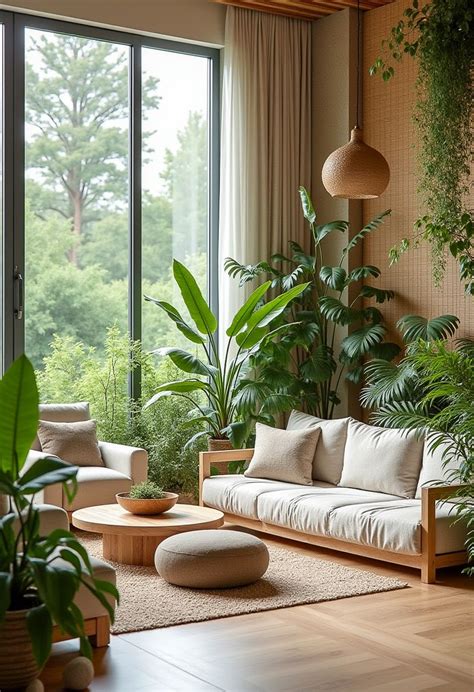
Connecting indoor living spaces with the outdoors remains a powerful priority for homeowners seeking calm and restoration. Biophilic design goes beyond simply placing a houseplant in the corner; it involves maximizing natural sunlight, incorporating organic wood grains, and selecting botanical motifs that soften architectural lines. Large statement plants like fiddle-leaf figs, olive trees, or trailing pothos introduce vibrant life and improve visual depth.
When actual greenery is difficult to maintain due to low light or busy schedules, introducing natural stone accents, rattan elements, and unvarnished wood surfaces achieves a similar organic grounding effect. Large uncovered windows that frame outdoor views further blur the boundary between indoor comfort and external nature, creating a serene sanctuary right in the heart of your home.
Balancing Smart Technology with Cozy Aesthetics
Smart home integration has become standard in many American households, but visible technology can sometimes disrupt a warm, curated interior. The modern challenge lies in seamlessly blending automation with timeless comfort. Motorized solar shades, discreet wireless audio systems, and smart lighting controls allow you to customize the atmosphere of your living room instantly without exposing unsightly wires or plastic control panels.
When planning your layout, consider positioning televisions within custom cabinetry or framing them with art displays that turn screens into gallery pieces when not in use. By prioritizing cozy lighting layers—combining warm floor lamps, architectural sconces, and dimmable overhead fixtures—you ensure that advanced technology enhances your living room’s comfort rather than dominating its visual appeal.
Frequently Asked Questions
What are the biggest living room design trends for U.S. homes?
Current trends focus on warm earth tones, tactile textures like bouclé and travertine, multi-functional layouts, biophilic elements, and the seamless integration of smart home technology with cozy, traditional aesthetics.
How can I update my living room on a budget?
You can achieve a significant refresh without a massive budget by swapping out throw pillows and blankets for richer textures, painting accent walls in warm earth tones, rearranging your layout for better flow, and adding statement lighting or indoor greenery.
Are minimalist living rooms still popular?
Strict minimalism featuring stark whites and cold metal accents has largely given way to ‘warm minimalism.’ This softer approach retains clean lines and clutter-free surfaces but introduces organic textures, warm woods, and rich, inviting color palettes.
How do I incorporate multi-functionality into a small living room?
Focus on versatile furniture pieces such as nesting tables, storage ottomans, and modular seating. Utilize vertical wall space for shelving to keep the floor clear, and establish distinct zones using area rugs and strategic lighting.