When planning a getaway with a large family or a group of friends, traditional single-room dome tents often fall short on privacy, organization, and elbow room. Transitioning to a spacious multi-room shelter changes the entire outdoor experience. Among the most popular configurations for modern outdoor enthusiasts are 4-bedroom tents featuring a central living room. These expansive structures mimic the floor plans of small homes, offering distinct sleeping quarters separated by zippered fabric walls alongside a communal indoor zone for gear storage, relaxing, or sheltering from sudden summer storms.
Investing in a high-capacity family tent requires careful thought regarding structural stability, fabric durability, and overall ease of assembly. While traditional camping involves roughing it in cramped quarters, contemporary cabin-style tents elevate comfort by offering near-vertical walls, standing height throughout the core living space, and dedicated entrance doors for each zone. Understanding how these features interact will help you select a layout that keeps everyone content, whether you are spending a weekend at a national park or setting up an elaborate basecamp in your own spacious backyard.
The Value of a Central Living Room in Large Tents
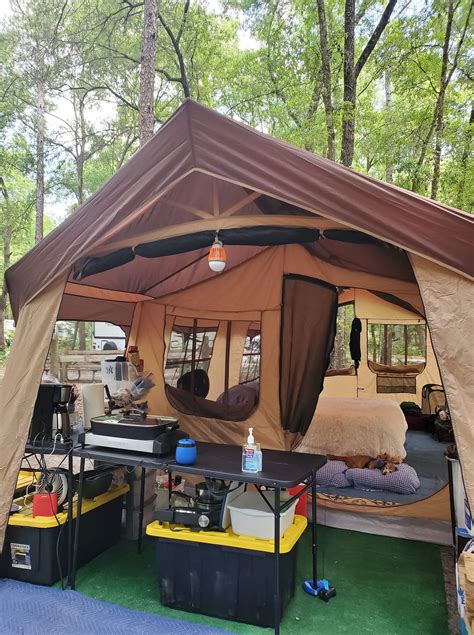
The defining characteristic of a top-tier multi-room family tent is the inclusion of a common central area flanked by private sleeping cabins. In standard single-room setups, muddy boots, wet rain gear, and extra luggage inevitably clutter the sleeping area, creating trip hazards and reducing available floor space. A dedicated living room acts as an indoor mudroom, lounge, and kitchen staging area all rolled into one versatile zone.
Beyond storage benefits, a central living area provides a crucial psychological advantage during extended camping trips. When unexpected rainstorms force your family indoors, having a neutral communal space prevents cabin fever by allowing people to play games, read, or socialize without crowding into individual sleeping pods. Furthermore, many models feature removable divider walls or roll-up partitions, giving you the flexibility to transform the layout into a massive open-concept pavilion when the weather is clear and pleasant.
Key Architectural Factors to Evaluate Before Buying
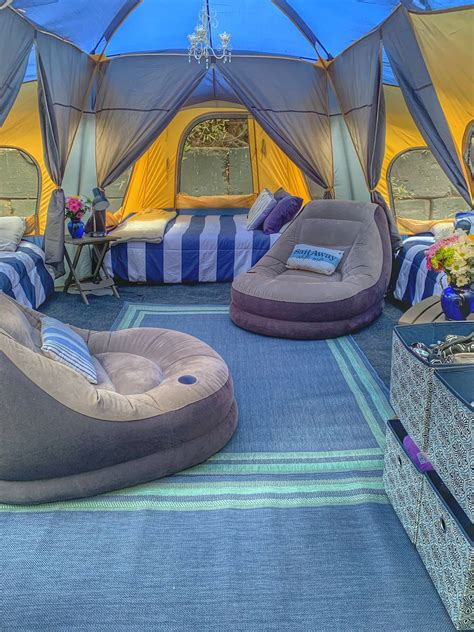
Choosing the right shelter demands a close look at structural engineering, fabric specifications, and practical usability. Advertised sleeping capacities can sometimes be misleading because manufacturers often base numbers on sleeping pads laid wall-to-wall without accounting for luggage or air mattresses. For maximum comfort in a four-bedroom configuration, subtract two people from the manufacturer’s maximum rating to ensure adequate room for cots and personal gear.
Weather resistance is another non-negotiable consideration for large footprints. Because multi-room tents have higher profiles and larger surface areas, they catch more wind than traditional low-profile backpacking models. Look for sturdy steel or hybrid fiberglass-steel pole systems, high hydrostatic head waterproof ratings on the rainfly, and factory-sealed seams. Additionally, pay attention to the denier rating of the floor fabric; a thicker polyethylene or oxford polyester floor prevents ground moisture from seeping through under pressure.
Top 4-Bedroom Tent Layouts and Configurations
While exact product availability shifts across retail seasons, certain structural archetypes dominate the multi-room family camping market. Understanding these standard layouts helps you visualize how your family will fit inside the shelter before making a purchasing decision.
The Cross-Cabin Star Layout
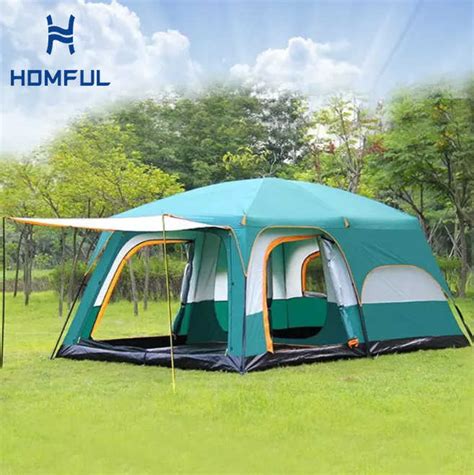
The cross-cabin layout typically features four symmetrical bedroom pods branching off from a central square living room, resembling a plus sign (+). This configuration offers maximum privacy because each bedroom has its own private entrance directly into the communal core. It works wonderfully for families with older children or multiple couples who value individual retreat spaces.
The primary trade-off with this star-shaped footprint is its massive overall footprint. You will need a spacious campsite pad to accommodate the guy lines and corner stakes properly. However, the payoff is exceptional cross-ventilation, as every bedroom usually features exterior-facing mesh windows that capture a breeze from multiple directions.
The Linear Tunnel Layout
Linear multi-room tents arrange bedrooms in a row along the back or sides of a long central corridor living room. This tunnel-style engineering handles wind remarkably well because the curved hoops slice through gusts rather than presenting a flat wall to the elements. These models often appeal to car campers who want a streamlined setup process.
Inside a linear tunnel tent, the living room acts as the main hallway, meaning foot traffic flows directly through the core space to reach individual bedrooms. While this layout is slightly less private than the star configuration, it maximizes usable interior length, making it easier to fit camp tables, storage bins, and standing occupants comfortably.
Practical Strategies for Organizing a Multi-Room Family Tent
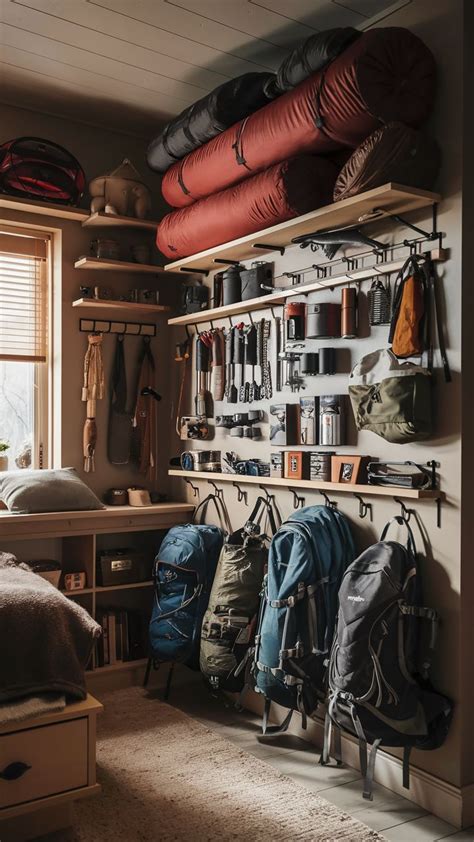
Maximizing the potential of a large family tent goes beyond simply pitching it correctly; internal organization dictates daily harmony. Assigning specific sleeping pods to family members prior to the trip eliminates arguments over territory and helps keep personal gear contained within designated zones rather than spilling into the central living area.
Lighting and power management also require thoughtful planning in multi-room setups. Because traditional flashlights create harsh shadows and struggle to illuminate every corner of a sprawling 4-bedroom tent, hanging battery-powered LED lanterns in the central living room and individual clip-on lights in the bedrooms creates a cozy, functional atmosphere. Utilize hanging gear organizers and pockets built into the tent walls to keep phones, flashlights, and small accessories off the floor.
Frequently Asked Questions
How difficult is it to set up a 4-bedroom tent with a living room?
Due to their size and complex pole structures, these tents typically require at least two adults and take anywhere from 25 to 45 minutes to assemble for the first time. Practicing a dry run in your backyard before your camping trip is highly recommended to familiarize yourself with the color-coded poles and sleeve pathways.
Can these large tents withstand heavy rain and strong winds?
Yes, provided they are properly staked and guyed out. Look for models featuring robust steel support poles, waterproof rainflies with taped seams, and wind-resistant tunnel or cabin designs. Always secure your guy lines tightly to prevent the high profile from catching strong gusts.
Are advertised sleeping capacities accurate for family comfort?
Manufacturer capacity numbers usually assume maximum occupancy using sleeping pads placed directly side-by-side with no extra space. For true comfort—especially when accommodating air mattresses, cots, and gear—it is wise to choose a tent rated for two more people than your actual camping party.
How do I manage ventilation and prevent condensation inside a multi-room tent?
Condensation occurs naturally when body heat meets cool night air. To minimize moisture buildup, keep mesh windows partially unzipped when weather permits, utilize ground vents if available, and ensure the rainfly is properly tensioned to allow unobstructed airflow between the tent body and outer fly.