When upgrading a living room, finding furniture that balances everyday comfort with aesthetic appeal is a major priority for many American homeowners and renters. Reclining living room furniture has evolved far beyond the bulky, oversized armchairs of decades past. Today’s market features sleek power recliners, modular reclining sectionals, and streamlined sofas that integrate seamlessly into modern, transitional, and traditional interior designs without sacrificing lumbar support or relaxation features.
Investing in quality reclining pieces requires looking past the showroom appearance and evaluating the underlying mechanisms, frame construction, and upholstery durability. Whether you are furnishing a sprawling suburban family room or a compact urban apartment, understanding your layout constraints, power access, and daily usage habits will guide you toward furniture that delivers lasting value and effortless comfort for years to come.
Top Categories of Reclining Living Room Furniture
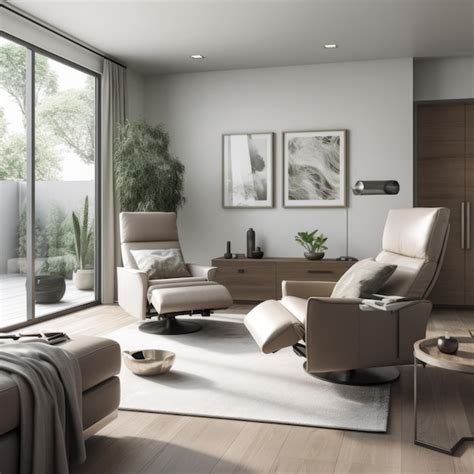
Selecting the right reclining furniture starts with evaluating how your household uses the living room space. Reclining sofas are an excellent choice for families who love movie nights, offering multiple reclining seats while maintaining a cohesive seating arrangement. These models typically feature manual pull-tabs or smooth side buttons to activate the footrests, and many modern iterations include drop-down center consoles with built-in cup holders and power strips.
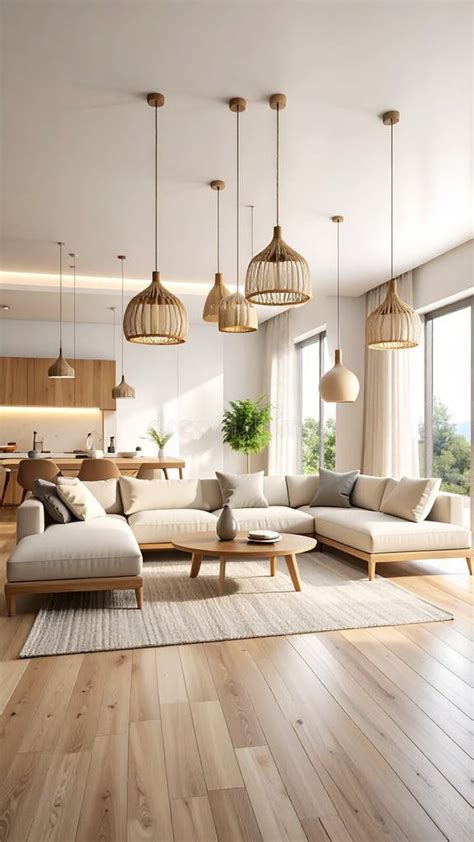
For larger spaces, reclining sectionals provide ultimate versatility by combining corner wedges, armless chairs, and multiple reclining modules into a customized layout. If space is at a premium, a compact reclining loveseat or a single high-leg recliner can deliver targeted comfort without overwhelming the room. High-leg recliners are especially popular because they disguise their reclining mechanisms behind tapered wooden legs, perfectly mimicking the look of a sophisticated accent chair.
Power Recliners Versus Manual Mechanisms
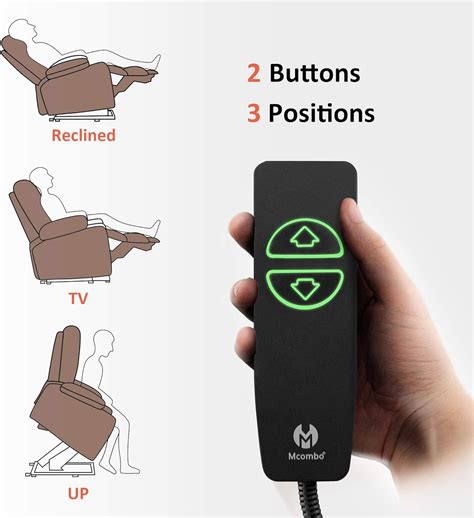
One of the most consequential decisions you will make when shopping for reclining furniture is choosing between power and manual operation. Manual recliners rely on a spring-loaded latch or body pressure to push the footrest out, offering a reliable, cost-effective solution that requires no nearby electrical outlets. They are straightforward to operate and typically feature fewer mechanical components that could potentially require maintenance over time.
Conversely, power recliners use electric motors to adjust the footrest, backrest, and often independent headrest and lumbar support with micro-adjustments. While they require a wall plug or a rechargeable battery pack, power mechanisms allow users to stop the recline at any preferred angle rather than locking into preset positions. This precise control is especially beneficial for individuals seeking ergonomic support for back pain or mobility challenges.
Essential Upholstery Materials for Durability and Style
Choosing the right fabric or leather for your reclining furniture depends heavily on your household lifestyle, including whether you have children, pets, or frequent guests. Genuine top-grain leather offers unmatched longevity, develops a rich patina over time, and wipes clean easily from minor spills, though it requires regular conditioning to prevent cracking and can feel warm in hotter summer climates.
For busy households seeking a softer touch, high-performance synthetic fabrics like microfiber and specially treated polyester blends provide exceptional stain resistance and durability. Many performance textiles feature moisture-repellent finishes that prevent liquids from sinking into the foam cushions, making routine maintenance simple. When inspecting upholstered recliners, ensure the fabric is tightly tailored around the moving footrest mechanism to prevent bunching or premature friction wear during everyday operation.
Smart Space Planning for Reclining Living Room Layouts
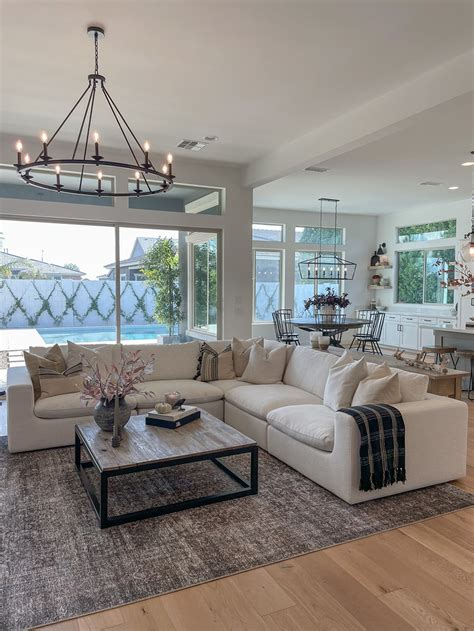
Integrating reclining furniture into a living room layout requires careful attention to clearance dimensions. Traditional recliners demand significant space behind the backrest to recline fully, often requiring twelve to eighteen inches of clearance from the wall. Failing to account for this distance can result in scuffed walls or restricted motion, making room measurement a critical step before making a purchase.
For tighter spaces or rooms where furniture floats away from the walls, wall-hugger recliners and zero-wall power models slide forward on a track as they recline, requiring only a few inches of rear clearance. When arranging a sectional with multiple reclining ends, verify that footrests do not block walking pathways or collide with coffee tables and entertainment centers when fully extended.
Key Quality Indicators to Inspect Before Buying
Evaluating the internal construction of reclining furniture ensures your investment withstands daily wear and tear. Premium pieces feature kiln-dried hardwood frames joined with reinforced corner blocks, avoiding the squeaks and wobbles common in cheaper plywood or particleboard alternatives. Steel seat boxes and heavy-gauge sinuous spring suspension systems provide reliable support that prevents sagging over years of heavy use.
Mechanisms and warranties serve as final indicators of manufacturing confidence. Look for reclining mechanisms made from heavy-duty tubular steel rather than stamped sheet metal, and review the manufacturer’s warranty terms covering the frame, motor, and electrical components. A robust warranty—often offering lifetime coverage on the frame and mechanical parts—gives peace of mind that your reclining living room furniture is built for the long haul.
Frequently Asked Questions
What is the difference between a wall-hugger recliner and a traditional recliner?
A traditional recliner requires significant space behind it because the backrest tilts backward as you recline. A wall-hugger or zero-wall recliner uses a specialized sliding mechanism that shifts the seat forward as it reclines, allowing the chair to sit just a few inches away from a wall and saving valuable floor space.
Are power recliners reliable over time?
Modern power recliners are generally very reliable, utilizing robust linear actuators and heavy-duty steel frames. To ensure longevity, purchase from reputable manufacturers that offer dedicated warranties on motors and electrical components, and consider using a surge protector to guard against power fluctuations.
How do I clean and maintain performance fabric on a reclining sofa?
Most performance fabrics can be spot-cleaned using mild soap and warm water, followed by blotting with a clean, dry white cloth. Always check the manufacturer’s cleaning code tag (such as W, S, or WS) to determine whether water-based or solvent-based cleaners are recommended for your specific upholstery.
Can I place reclining furniture directly in the center of a room?
Yes, many modern reclining sofas and sectionals are designed with finished backs, allowing them to float in the middle of a living room. However, you must ensure that power cords for motorized recliners can reach a floor outlet cleanly without creating a tripping hazard.