Setting up a large 3-bedroom tent in your backyard or open living space offers a unique opportunity to create an immersive sanctuary right at home. By blending rugged outdoor architecture with plush interior design principles, you can transform a standard canvas structure into an inviting bohemian retreat. Whether you want a quiet reading nook, a stargazing lounge, or a playful backyard guest room, approaching the tent layout with intentional design choices makes all the difference.
Creating this elevated glamping experience relies on treating the tent interior just like any permanent room in your house. From foundational flooring choices to the strategic placement of textiles and warm lighting, every design decision contributes to a comfortable atmosphere. Homeowners and renters alike can achieve this high-end look without permanent installations, making it a flexible project for any season.
Laying the Foundation: Flooring and Base Comfort
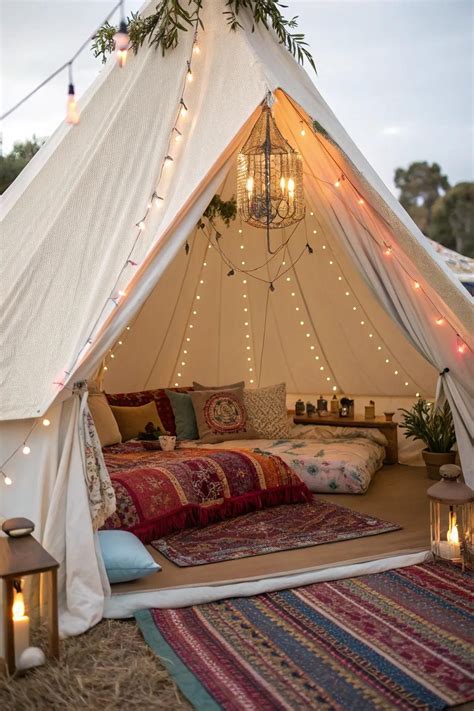
The secret to making a canvas or synthetic tent feel substantial and cozy begins directly underfoot. Bare tent floors can feel cold and uninviting, so establishing a multi-layered flooring system is essential for both comfort and insulation. Start with a heavy-duty moisture barrier directly on the ground, followed by interlocking foam tiles to provide cushioning and decouple the cold from the surface.
Over the foam tiles, layer natural fiber area rugs like jute or sisal to anchor the space visually, and top high-traffic zones with plush faux-sheepskin or woven cotton rugs. This combination prevents the floor from feeling damp while offering a soft surface for bare feet. Securing the edges ensures a seamless look that mimics traditional indoor flooring while keeping drafts at bay.
Smart Zoning for Multi-Room Tent Layouts
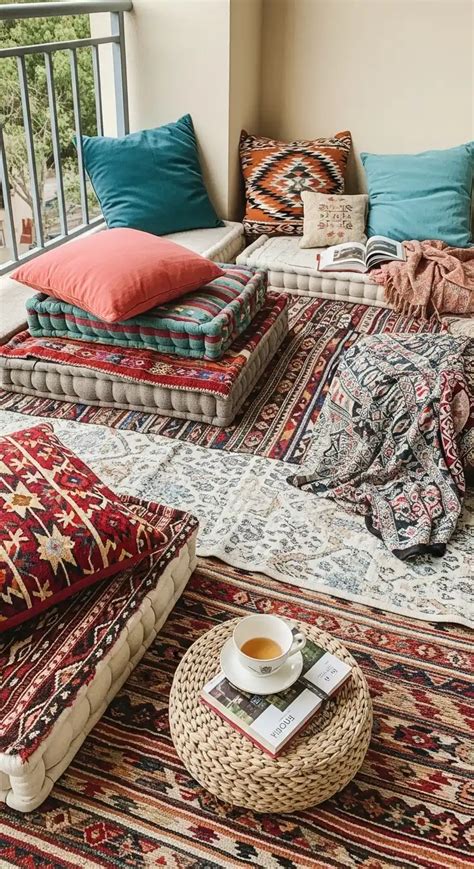
A 3-bedroom tent provides generous square footage, which can easily feel chaotic without clear spatial planning. Establishing distinct zones for lounging, sleeping, and socializing ensures that each area serves a dedicated purpose. Dedicate the largest central chamber as a communal gathering area, featuring low-profile seating, floor cushions, and a central pouf acting as an impromptu coffee table.
For the surrounding side chambers, tailor each room to a specific lifestyle need. One room can function as a plush sleeping zone loaded with heavy duvets and extra pillows, while another can serve as a tranquil meditation or reading space. Using lightweight folding room dividers or hanging macrame panels between the tent’s built-in room partitions helps define boundaries without compromising airflow or structural integrity.
Layering Textiles for Elevated Glamping Aesthetics
Textiles are the quickest way to erase the stark, utilitarian feel of standard tent walls. Introduce warmth and visual depth by draping textured blankets over lightweight wooden benches or folding cots. Mix patterns thoughtfully, pairing neutral geometric prints with rich, earthy tones like terracotta, olive green, and warm ochre to complement the natural outdoor surroundings.
Don’t hesitate to bring indoor throw pillows, velvet cushions, and heavy linen drapes outdoors. Hanging lightweight curtains around the bedroom partitions or windows softens the hard angles of the tent poles and adds a touch of residential luxury. The tactile contrast between rough canvas walls and ultra-soft bedding creates an inviting sensory experience that encourages deep relaxation.
Atmospheric Lighting Strategies for Warmth
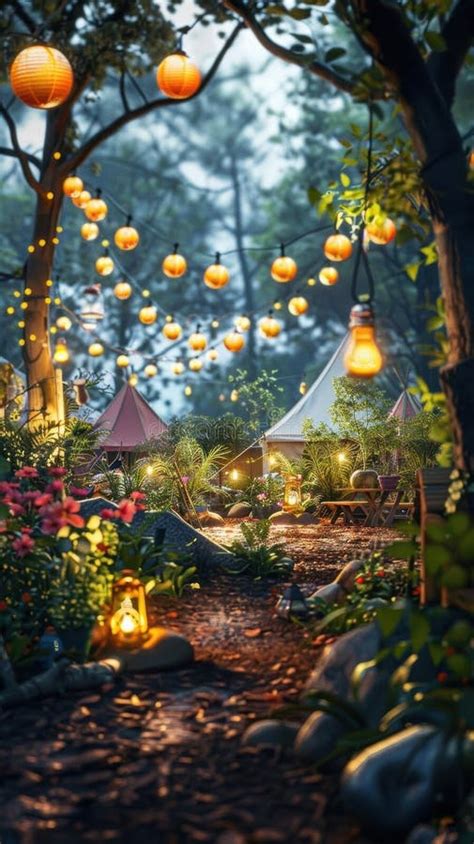
Lighting dictates the mood of your tent retreat, making it crucial to avoid harsh overhead bulbs or cold utility lanterns. Instead, build a layered lighting scheme using battery-operated fairy lights, amber-glow Edison bulbs, and rechargeable bedside lamps. String warm-toned string lights along the central ridge pole to cast a soft, diffused glow across the entire ceiling.
Incorporate floor lanterns with LED candles to illuminate dark corners and create flickering shadows that mimic traditional campfires safely. Placing small accent lights near floor level highlights the layered textures of your rugs and blankets, making the entire interior feel exceptionally welcoming as daylight fades. Always prioritize battery-operated or solar fixtures to eliminate hazardous cord management across tent walkways.
Frequently Asked Questions
How do you keep a large home tent warm and cozy during cooler evenings?
To maintain warmth inside a large tent, focus on insulation from the ground up using foam tiles and thick rugs. Layer heavy woolen blankets or duvets on seating areas, and use battery-operated space heaters rated safely for enclosed fabric structures only if strict manufacturer guidelines are met.
What is the best way to clean and maintain a tent set up for extended home use?
Regularly sweep out debris and shake out removable rugs to prevent dirt accumulation. Keep windows and doors zipped with mesh screens engaged to promote airflow and prevent interior condensation or mildew growth during humid weather.
Can you use standard indoor furniture inside a multi-room tent?
Yes, lightweight and modular indoor furniture works wonderfully. Folding chairs, rattan side tables, floor cushions, and low wooden benches provide style and comfort without overloading the tent floor or puncturing the waterproof base material.


