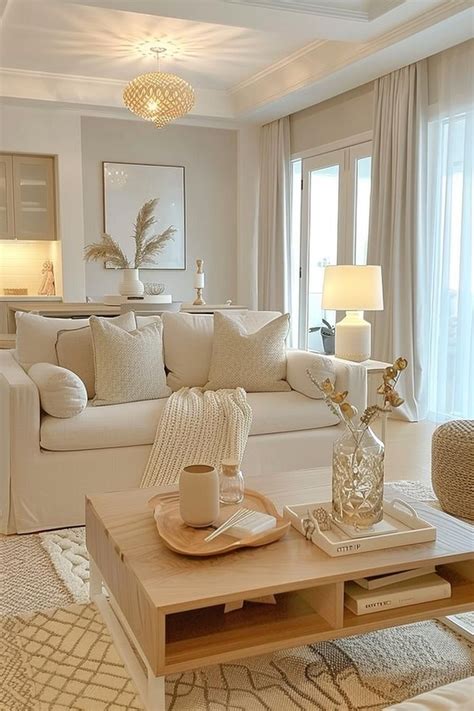
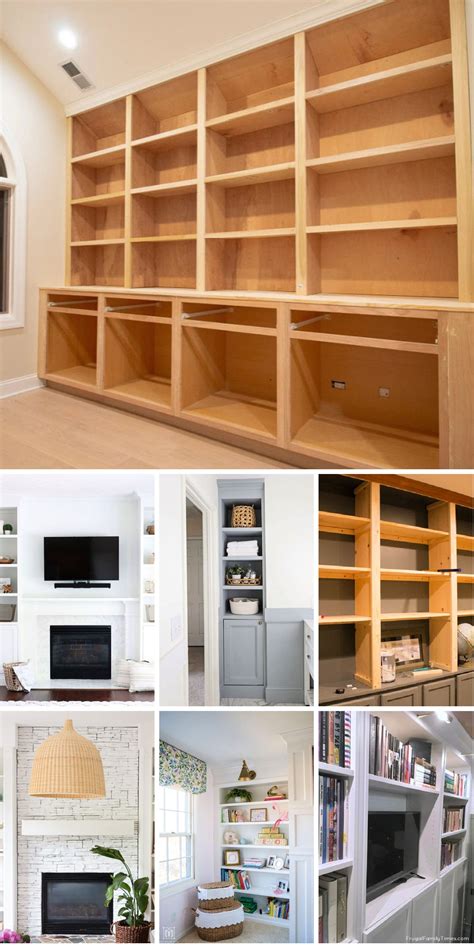
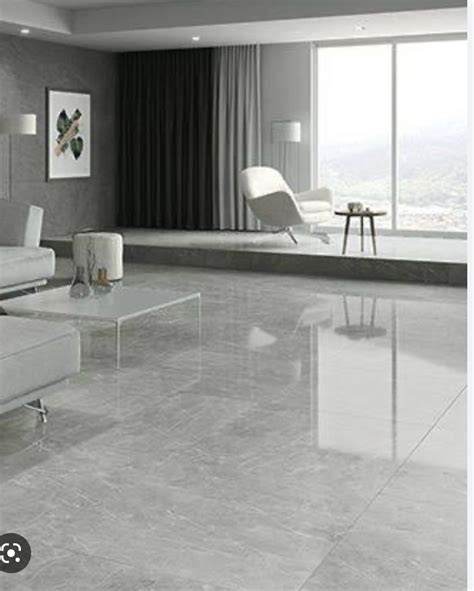
Designing a functional and visually balanced living room often comes down to how well your secondary furniture pieces work together. While large seating arrangements and media walls claim primary focus, accent tables and TV stands hold the room together through daily utility and subtle aesthetic framing. Choosing these items requires looking beyond standalone appeal and evaluating how height, material, and placement impact everyday traffic flow and room proportions.
Achieving a cohesive look does not mean buying a matching five-piece set from a single catalog. In fact, mixing materials and profiles often yields a more collected, interior-designed atmosphere. By understanding basic proportions, clearance rules, and surface requirements, you can build a living space that feels naturally curated, comfortable, and highly functional for your household.
Mastering Living Room Proportions and Traffic Flow
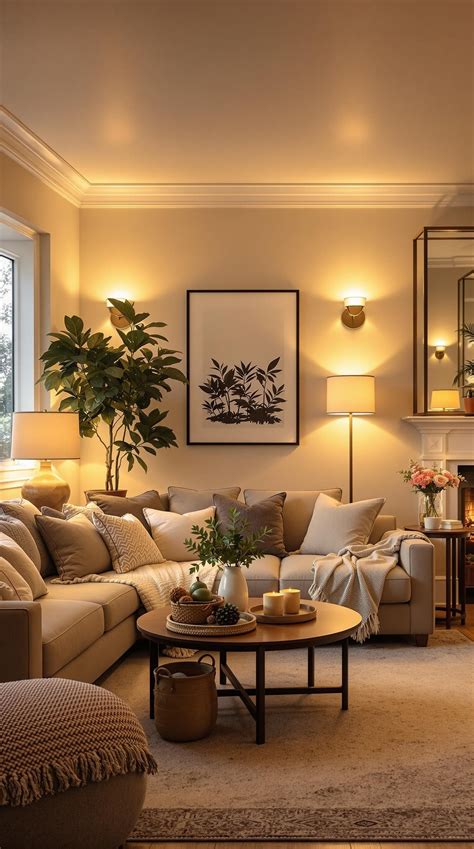
Before bringing any new furniture into your home, mapping out the physical dimensions and walking paths of your living room is essential. A common pitfall in American living spaces is overcrowding a room with oversized accent pieces that restrict movement or block sightlines. Standard interior layout principles recommend leaving at least thirty inches of clear walkway around major furniture paths, ensuring that anyone moving between the kitchen, entryway, and seating area can do so without bumping into corners.
Proportion also governs how different pieces relate to one another in vertical and horizontal space. If your primary sofa features low-profile cushions and a streamlined modern silhouette, pairing it with heavy, ornate traditional tables will create visual friction. Instead, look for a balanced scale where heavy items are offset by open-leg designs or glass surfaces that allow light to pass through, keeping the room feeling open and airy.
Evaluating Spatial Clearance for Media and Seating
When positioning your TV stand and adjacent accent furniture, distance matters just as much as dimensions. The TV stand should be wide enough to anchor the screen visually, typically extending a few inches past the edges of the television on both sides. Meanwhile, side tables should never sit so close to a reclining sofa mechanism that they impede the footrest or scrape against the fabric during operation.
Maintaining adequate reach is another key consideration for end tables and sofa tables. A person sitting on any end of the sofa should be able to comfortably place a drinking glass or book onto the adjacent table without straining or leaning awkwardly out of their seat. Planning these micro-distances prevents daily frustration and ensures your living room layout remains genuinely livable.
Selecting the Right End Table Height and Shape
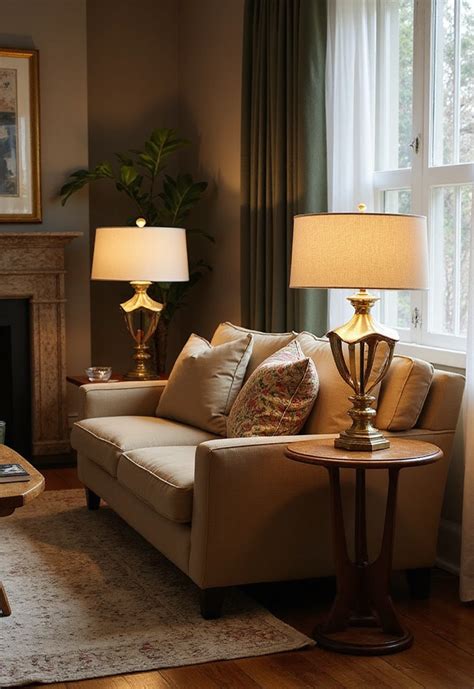
End tables serve as the workhorses of the living room, holding reading lamps, charging cables, and evening refreshments. The golden rule of thumb for end table selection centers entirely on height: the surface of the end table should ideally sit level with or slightly lower than the arm of your sofa. In standard US furniture manufacturing, sofa arms typically range from twenty-four to thirty inches high, meaning most standard end tables will fall within a similar bracket.
Shape is equally critical when addressing room geometry. Square and rectangular end tables offer generous surface area and fit neatly into corners or alongside boxy sectional configurations. Round or oval tables, by contrast, introduce soft, organic curves that break up the monotony of rigid architectural lines, making them an excellent choice for tighter layouts where sharp corners might pose a hazard in high-traffic pathways.
Sofa Tables Versus Console Tables: Choosing Your Surface
Many shoppers use the terms sofa table and console table interchangeably, but their placement and design often dictate distinct roles in home organization. A true sofa table is built to match or sit slightly below the back height of a living room couch, acting as a functional divider in open-concept floor plans. Console tables, on the other hand, are traditionally designed to anchor against a blank wall or serve as a welcoming drop-zone in an entryway.
When styling a surface positioned directly behind a sofa, height and depth are your primary constraints. The table should never rise above the sofa back, as taller profiles disrupt sightlines across the room. Furthermore, keeping the depth relatively narrow prevents the piece from eating up too much floor space or making it difficult to access the seating area from behind.
Coordinating TV Stands with Accent Tables for a Cohesive Look
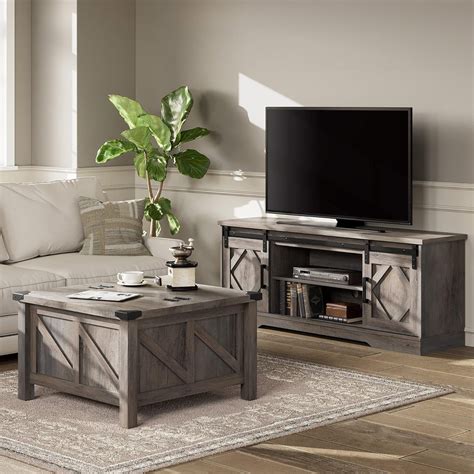
Creating visual harmony between your media console and your accent tables prevents a living room from looking disjointed. You do not need matching wood finishes across every single surface, but anchoring the room with a cohesive design thread is vital. For example, if your TV stand features matte black iron legs, incorporating a couple of accent tables with similar metal framework instantly ties the room together.
Balancing wood tones requires attention to underlying warmth and grain patterns. Mixing a rich, dark walnut TV stand with light oak end tables can work wonderfully if other elements in the room—such as flooring, textiles, or wall art—bridge the color gap. The secret lies in maintaining a consistent design vocabulary, whether that means leaning entirely into industrial metal-and-wood mixes or keeping things crisp with mid-century modern tapered wooden legs.
Material and Durability Considerations for Households
Daily life puts significant wear and tear on living room surfaces, making material selection a crucial factor in your purchasing decision. Households with young children or active pets should prioritize durable, low-maintenance finishes over delicate materials. Solid hardwoods, powder-coated metals, and textured laminates withstand bumps, scratches, and daily cleaning much better than high-gloss lacquers or fragile tempered glass.
Stone surfaces, such as marble or travertine veneer, offer stunning organic texture and heat resistance, but they require regular sealing to protect against moisture rings and acidic spills. Weighing the aesthetic appeal of a material against its practical upkeep ensures you select accent tables and TV stands that maintain their beauty through years of active family use.
Frequently Asked Questions
How high should an end table be relative to the sofa arm?
Ideally, an end table should sit level with or up to two inches lower than the arm of your sofa. This ensures comfortable access to drinks, lamps, and devices without awkward reaching.
What is the difference between a sofa table and a console table?
While often similar in construction, a sofa table is specifically sized to sit flush against or slightly below the back of a sofa in an open-concept room, whereas console tables are traditionally placed against bare walls.
How do I match a TV stand with my existing accent tables?
You do not need an identical set. Instead, coordinate unifying elements such as hardware style, leg materials (like black iron or brass), or complementary wood undertones to create a tied-in look.
What size accent table works best in a small living room?
In compact rooms, look for round tables, C-tables that slide under the sofa base, or glass-topped designs that reduce visual weight and maintain clear traffic paths.
How do I style a sofa table effectively?
Anchor the space with a central taller item like a lamp or sculptural vase, layer medium-height objects like stacked books, and leave some open negative space to avoid clutter.