When planning an extended camping trip with a large family or a group of friends, traditional single-room dome tents often fall short on privacy and personal space. Stepping up to a multi-room shelter changes the entire dynamic of outdoor living by introducing distinct zones for sleeping and relaxing. A thoughtfully designed 3-bedroom tent featuring a living room offers a unique architectural approach to temporary shelter, mimicking the functional layout of a small house right in the middle of nature.
Choosing this style of tent is rarely just about square footage; it is about bringing order, comfort, and sanity to group camping. By separating communal areas from private sleeping quarters, campers can maintain their daily routines, manage gear effectively, and enjoy rainy afternoons without feeling cramped. Evaluating whether this type of setup fits your lifestyle requires looking closely at how space utilization transforms the outdoor experience.
The Architectural Advantage of Multi-Room Tent Layouts

The primary benefit of a multi-room tent lies in its structural division. Traditional tents force everyone into a single communal floor where sleeping pads, duffels, and muddy boots compete for every square inch. In contrast, a 3-bedroom configuration establishes clear boundaries, typically placing individual sleeping cabins around a central common area. This layout allows parents to have private sleeping quarters while children or other guests occupy separate rooms, fostering a sense of personal space that is rarely found in standard camping gear.
Beyond sleeping arrangements, interior privacy curtains or zippered walls help regulate sleep schedules. If part of the group wants to sleep in while others wake up early to brew coffee, the interior dividers block direct line-of-sight and muffle early morning activity. This structural flexibility reduces interpersonal friction during long trips, ensuring that everyone remains well-rested and enjoys their time in the wilderness.
img_placeholder_1
Managing gear clutter is another major advantage of compartmentalized tent designs. Instead of tripping over backpacks and coolers inside your sleeping zone, you can store gear in the central living area or designate specific corners of the structure for equipment storage. Keeping walkways clear not only makes moving around the tent safer in the dark but also preserves a clean, welcoming environment throughout your stay.
How a Central Living Room Enhances Group Social Dynamics
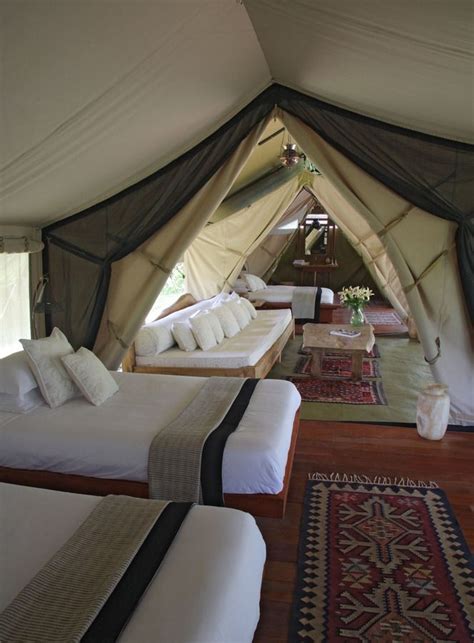
The central living room acts as the heart of your campsite, especially when unexpected weather forces everyone indoors. Instead of retreating into cramped sleeping bags to wait out a passing afternoon shower, campers can gather in the shared living space to play cards, read, or socialize comfortably around a portable table. This dedicated social zone prevents the cabin from feeling claustrophobic and keeps morale high during inclement conditions.
Furthermore, the central vestibule or living area serves as a transitional mudroom. Here, campers can remove wet outer layers, store muddy hiking boots, and drop wet umbrellas before stepping into the clean sleeping cabins. This buffer zone protects your bedding and personal items from moisture and dirt, significantly reducing the amount of cleanup required at the end of your trip.
Weighing Practical Trade-Offs: Setup, Weight, and Portability
While the benefits of a spacious multi-room tent are substantial, realistic planning requires acknowledging a few operational trade-offs. Large family tents feature complex pole structures and heavy-duty fabric, resulting in a significantly larger packed size and heavier overall weight compared to minimalist backpacking tents. Transporting these shelters typically requires ample vehicle trunk space, and setting them up is rarely a one-person job. Expect to spend additional time staking out guy lines, threading color-coded poles, and securing the rainfly properly.
Weather resistance is another critical consideration for oversized tents. Because these structures have a higher profile and larger surface area, they catch more wind during severe storms. Selecting a model with sturdy steel or reinforced fiberglass poles, robust guy-out points, and a high hydrostatic head waterproof rating is essential for safety. Taking the time to stake out every anchor point ensures the tent remains stable even when unpredictable weather rolls through your campsite.
Frequently Asked Questions
Why choose a 3-bedroom tent with a living room over standard tents?
A multi-room layout offers distinct privacy zones for sleeping and a central communal area for relaxing or storing gear. This prevents clutter and accommodates different sleep schedules among family members or large groups.
How difficult is it to set up a large multi-room tent?
Due to their size and complex frame structures, these tents take longer to assemble than standard dome tents. They usually require at least two adults for an efficient setup, though color-coded poles and clear manufacturer instructions simplify the process.
Can large multi-room tents handle heavy rain and wind?
Yes, provided you choose a model with quality waterproof coatings, sealed seams, and sturdy framing. Because large tents have a higher profile, properly securing all guy lines and stakes is crucial for wind stability.
Who benefits the most from this type of tent setup?
Families with children, groups of friends on extended camping trips, and campers who prioritize indoor living space and home-like comfort over ultralight portability benefit the most.


