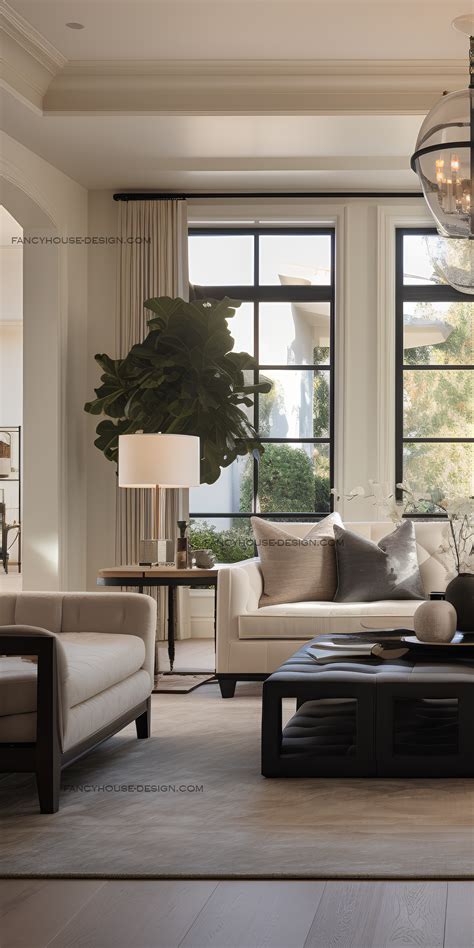
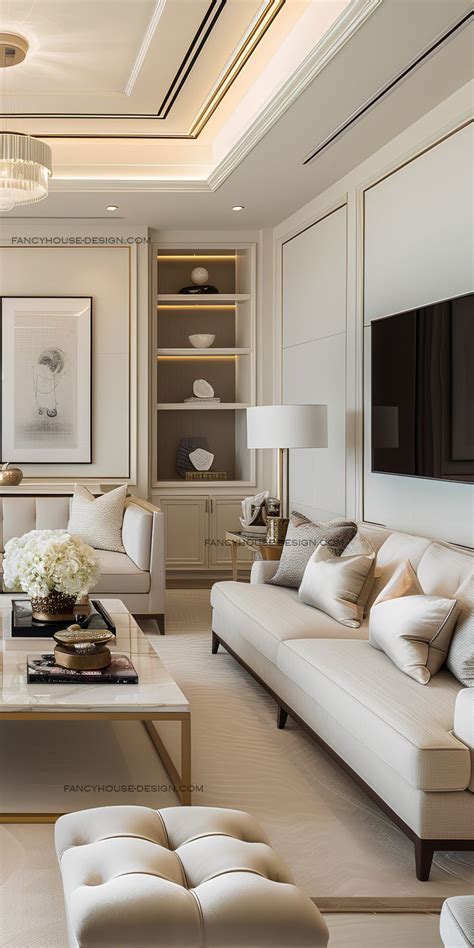
When anchoring a living room in a typical American home, few pieces command presence quite like a 90-inch genuine leather sofa. Measuring seven and a half feet in length, this substantial furniture category strikes an ideal balance, offering generous seating for three adults while maintaining proportions that work well in open-concept floor plans, traditional suburban living rooms, and urban loft apartments alike. Investing in genuine leather means embracing a material that develops character over time, responding to everyday life by acquiring a rich patina that tells a unique story.
Beyond aesthetics, choosing a large leather couch involves careful evaluation of spatial geometry, lifestyle demands, and material quality. Understanding what distinguishes top-grain and full-grain hides from synthetic alternatives ensures that your investment provides decades of comfort. By approaching layout planning, daily upkeep, and complementary decor with thoughtful intent, you can turn a standard seating arrangement into an enduring design statement.
Spatial Planning and Scale in American Living Rooms
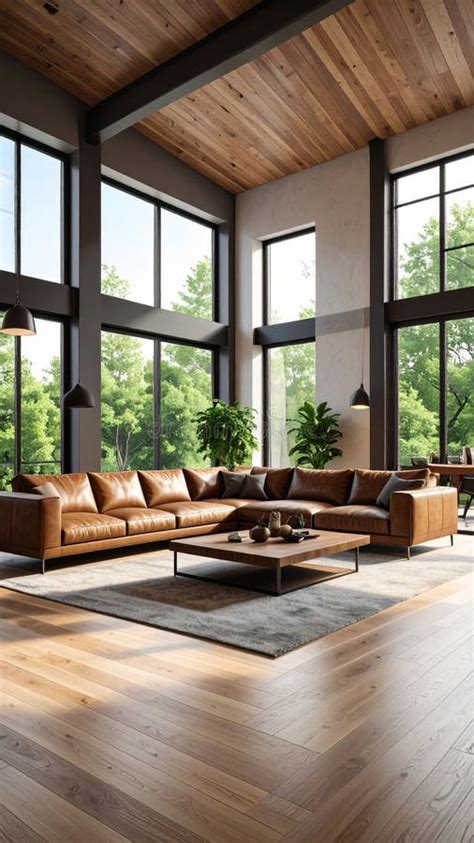
Before bringing a 90-inch sofa into your home, mapping out the physical footprint is essential to ensure smooth traffic flow and visual balance. Standard American living rooms often feature open configurations or defined walls around twelve to fifteen feet wide. A sofa measuring seven and a half feet requires adequate breathing room on either side, ideally leaving at least eighteen to twenty-four inches of clearance for side tables, floor lamps, or architectural features like windows and heating vents.
Consider how the piece interacts with your existing furniture layout, particularly primary focal points like media consoles, fireplaces, or oversized coffee tables. A common misstep is placing a massive sofa directly against a wall without considering rug dimensions; a proper area rug should extend at least six to twelve inches beyond the front legs of the sofa to ground the entire seating arrangement. In tighter apartments, ensure that hallways, elevator doors, and stairwells can accommodate the rigid 90-inch frame during delivery.
Determining Room Clearance and Flow
Maintaining effortless movement around your primary seating area prevents a room from feeling cramped or cluttered. In high-traffic household layouts, keep main pathways unobstructed by angling secondary accent chairs rather than crowding them directly opposite the main couch. When paired with a streamlined coffee table, a 90-inch sofa allows comfortable legroom and effortless navigation for family members and guests moving between the kitchen, dining, and living zones.
Understanding Leather Grades and Material Integrity
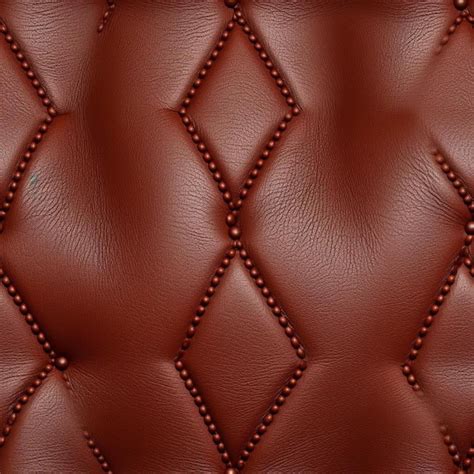
Navigating the terminology of leather upholstery can feel overwhelming, but understanding the differences between material grades protects your budget and expectations. Full-grain and top-grain hides represent the pinnacle of genuine leather quality. Full-grain leather retains the natural hide’s complete outer surface, showcasing unique grain patterns, subtle natural markings, and exceptional breathability. Top-grain leather undergoes a light sanding process to remove minor imperfections, offering a more uniform finish while retaining remarkable durability and softness.
In contrast, bonded or faux leathers rely on polyurethane coatings and synthetic backing fabrics that lack the structural integrity and sensory appeal of real animal hides. Over time, synthetic alternatives are prone to peeling, cracking, and trapping body heat, whereas genuine leather adapts dynamically to room temperatures. While genuine leather demands a higher initial financial commitment, its lifecycle far exceeds that of synthetic substitutes, making it a sustainable and cost-effective choice over decades of daily use.
Styling a Timeless Leather Centerpiece
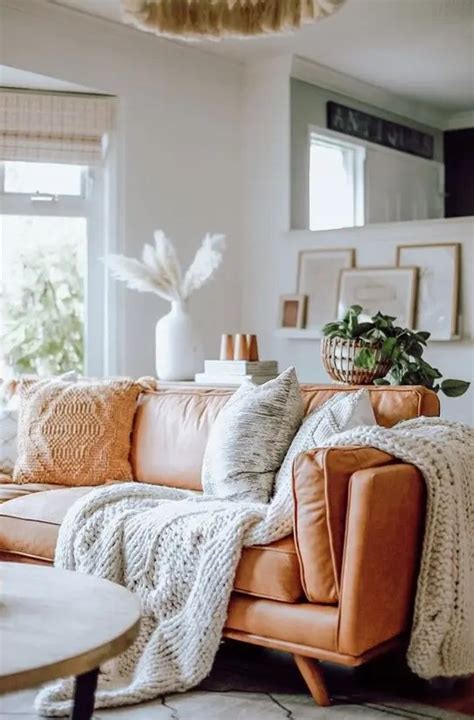
A large leather sofa acts as an organic anchor that can adapt to a wide spectrum of interior design styles, ranging from industrial modern and mid-century aesthetic to transitional and classic farmhouse. To prevent a dark brown or tan leather sofa from dominating the room visually, layer your seating with complementary textiles. Introduce soft woven throw blankets, heavy knit textures, and patterned linen or velvet accent pillows to break up the smooth, solid expanse of the leather surface.
Lighting and surrounding materials further elevate the overall look of the space. Pair the leather couch with natural wood elements, such as a white oak coffee table or walnut sideboards, to introduce warmth and contrast. Matte black metal accents, brushed brass floor lamps, and lush green house plants help soften the industrial edge of leather, creating a welcoming, layered atmosphere that feels both curated and livable for everyday family life.
Care, Maintenance, and Conditioning for Longevity

Proper routine maintenance ensures that your genuine leather sofa ages gracefully rather than prematurely drying out. Unlike fabric upholstery that traps dust mites and deep-set allergens, leather surfaces are naturally resistant to surface spills and everyday dust, provided they receive basic attention. Vacuuming crumbs from the seat crevices with a soft brush attachment and wiping down the leather with a damp, lint-free microfiber cloth once a week keeps the material free of abrasive particles.
Every six to twelve months, applying a specialized leather conditioner helps replenish natural oils, maintaining the suppleness and preventing surface cracking caused by dry indoor heating during American winters. Avoid positioning your leather sofa in direct, intense sunlight or directly against heating vents, as prolonged thermal exposure accelerates fading and drying. Addressing liquid spills immediately by blotting gently with a clean, dry cloth prevents moisture from penetrating porous unsealed hides.
Evaluating Value, Comfort, and Everyday Living
When assessing whether a 90-inch genuine leather sofa is right for your household, consider how the piece supports daily routines, from relaxing evening television viewing to hosting weekend gatherings. The generous length provides ample space for taller individuals to stretch out completely without curling their legs, making it a versatile alternative to a chaise sectional if you prefer an open, flexible floor plan.
While the upfront investment requires careful budgeting, viewing furniture through the lens of cost-per-year reveals exceptional long-term value. Synthetic sofas often require replacement every five to seven years due to structural breakdown and surface wear, whereas a well-constructed genuine leather sofa can provide comfort and aesthetic appeal for decades, proving that timeless materials remain unmatched in modern residential design.
Frequently Asked Questions
Will a 90-inch sofa fit comfortably in a standard American living room?
Yes, a 90-inch sofa fits standard American living rooms measuring 12×15 feet or larger. However, it is vital to measure entryways, stairwells, and wall clearances before purchase to ensure seamless delivery and proper spatial balance.
How do I differentiate genuine leather from faux or bonded leather?
Genuine leather features natural variations in grain, pores, and subtle surface markings, and it feels warm and breathable to the touch. Faux and bonded leather often feel uniform, cool, plastic-like, and are prone to peeling over time.
What interior design styles pair best with a large leather sofa?
Large leather sofas complement industrial, mid-century modern, transitional, rustic, and contemporary minimalist living spaces, especially when balanced with soft textiles, wood accents, and layered lighting.
How do I properly maintain genuine leather to ensure it lasts?
Maintain your leather sofa by dusting weekly with a microfiber cloth, cleaning spills immediately by blotting, and applying a quality leather conditioner every six to twelve months to preserve suppleness and prevent cracking.
Is a 90-inch sofa large enough to sleep on comfortably?
At 90 inches long, the sofa provides substantial length for most adults to lie down comfortably for naps or overnight guests, especially when the seat depth measures at least twenty-two to twenty-four inches.