When updating a living room layout, selecting a statement seat requires careful consideration of both visual impact and physical scale. A 42-inch mid-century accent chair occupies a fascinating middle ground in furniture design. It is substantial enough to anchor a conversation corner or serve as a standalone reading nook, yet compact enough to avoid dominating a typical American family room. By blending iconic retro silhouettes with contemporary lounging standards, this chair style bridges the gap between mid-century architectural heritage and modern domestic comfort.
Homeowners often grapple with how a piece of furniture with distinct retro lines will integrate into contemporary floor plans. Whether you are outfitting a suburban ranch home or a high-rise urban apartment, understanding the precise dimensions, upholstery options, and placement strategies ensures your investment enhances both daily function and aesthetic harmony.
Understanding the Spatial Footprint of a 42-Inch Accent Chair
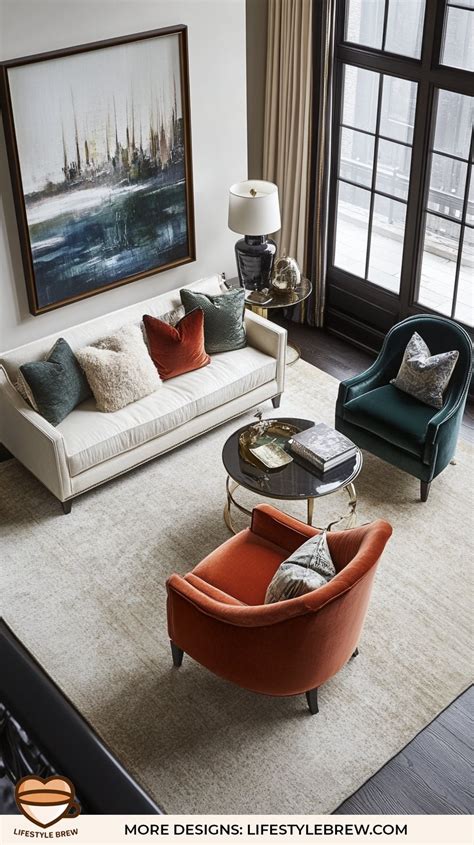
A 42-inch measurement usually refers to the overall width of the chair, measured from the outside edge of one armrest to the other. In the context of standard American living room dimensions, a chair of this width is considered an oversized armchair or a compact club chair rather than a dainty occasional chair. It provides a generous seating pocket that accommodates various sitting postures, from upright reading to curling up with your legs tucked to the side.
Before committing to this scale, it is wise to map out the physical footprint using painter’s tape on your living room floor. A 42-inch width paired with a typical 32- to 36-inch depth requires adequate clearance for walkways and surrounding case goods. In compact apartments, this chair works best when floated near a corner or paired directly opposite a streamlined sofa, ensuring the room maintains a breathable, open flow.
Defining Characteristics of Mid-Century Modern Seating
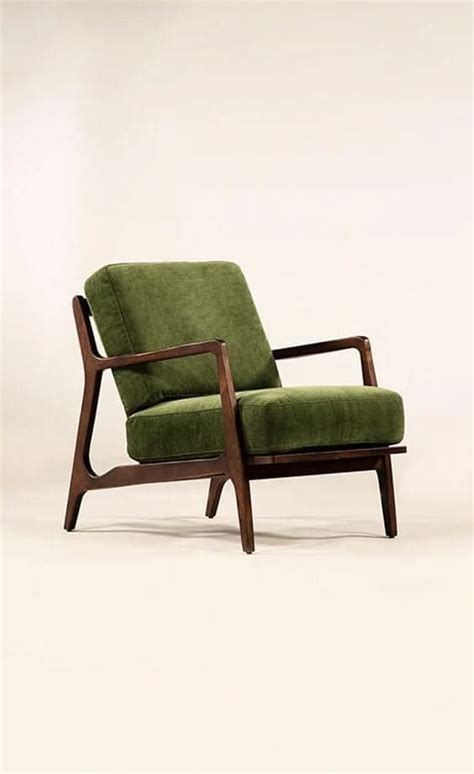
Mid-century modern design flourished from roughly the mid-1940s through the 1960s, prioritizing clean lines, organic curves, and a celebration of natural materials. An authentic interpretation in a modern accent chair often features exposed walnut or teak wood frames, tapered cylindrical legs, and a sculptural profile that looks visually striking from every angle. This makes the chair an excellent candidate for floating in the center of an open-concept living space rather than being pushed strictly against a wall.
Another hallmark of the style is the interplay between structural woodwork and soft upholstery. Rather than bulky, overstuffed frames that conceal their construction, mid-century seating exposes its skeletal architecture. This structural transparency prevents the 42-inch width from feeling heavy or visually cluttered, allowing light to pass underneath and around the piece.
Balancing Retro Aesthetics with Everyday Comfort
A common misconception is that vintage-inspired furniture sacrifices ergonomic support in favor of sleek lines. Modern manufacturing standards, however, allow designers to integrate high-resiliency foam cores and sinuous spring suspension systems inside retro silhouettes. When evaluating a 42-inch accent chair for daily lounging, pay close attention to the seat depth, back angle, and cushion construction.
An ideal lounging experience combines a supportive foam base with a softer fiber or feather-blend top layer. The seat height should align comfortably with your knees, while the backrest should offer lumbar support without forcing an overly rigid posture. Because a 42-inch width gives you plenty of lateral room, adding a lumbar pillow or a small throw blanket can further customize the ergonomic feel for different members of the household.
Strategic Layout Ideas for U.S. Living Rooms
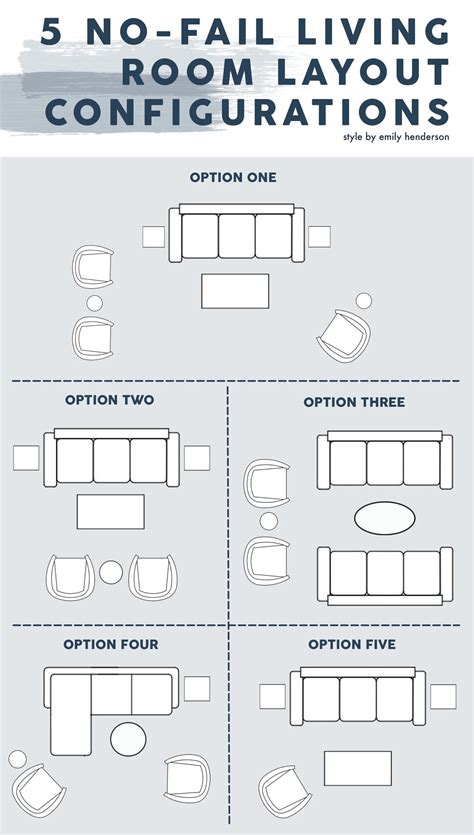
Integrating a wide accent chair into your layout depends heavily on your room’s primary focal point and traffic patterns. In a traditional suburban living room centered around a fireplace or television, placing the 42-inch chair at a 90-degree angle to the main sofa creates an intimate conversation zone. This configuration facilitates natural eye contact and prevents the room from feeling like a rigid theater.
In open-concept urban apartments, the chair can act as a subtle room divider between the living area and dining space. Because the back of a well-crafted mid-century chair features polished wood or tailored upholstery, it creates a clean boundary without obstructing sightlines. Pairing the chair with a slender floor lamp and a compact side table transforms an unused corner into a dedicated reading sanctuary.
Choosing Durable Upholstery Fabrics and Wood Finishes
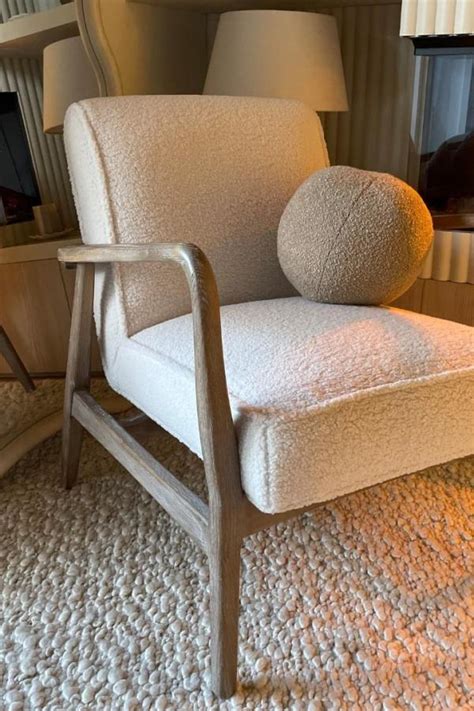
The materials you select dictate both the tactile experience and the longevity of your furniture. Textured woven fabrics, such as heavy tweed, bouclé, or durable polyester-linen blends, add visual warmth and resist everyday wear remarkably well. If you prefer a sleeker aesthetic, top-grain leather develops a rich patina over time, handling high-traffic family environments with ease while leaning into classic mid-century tradition.
Wood finishes should harmonize with existing flooring and case goods in your home. Warm honey-toned walnut and rich teak finishes dominate the mid-century palette, though lighter oak options have gained popularity in contemporary American interiors. When mixing wood tones across your living room, focus on maintaining a consistent undertone—pairing warm golden woods together, for instance—to create a curated, cohesive atmosphere.
Frequently Asked Questions
Will a 42-inch accent chair overwhelm a small living room?
While 42 inches is on the wider side for an accent chair, the open-frame silhouette typical of mid-century design keeps it from looking bulky. As long as you maintain clear pathways around the chair and avoid surrounding it with heavy, oversized furniture, it can anchor a small space effectively.
How can I ensure my accent chair is comfortable for long periods?
Look for chairs featuring high-resiliency foam cushions supported by sinuous springs or webbing rather than rigid boards. A seat depth around 22 to 24 inches generally provides enough room to shift positions comfortably without slouching.
What type of coffee table or side table pairs best with a mid-century accent chair?
Organic, curved tables—such as an asymmetrical kidney-shaped coffee table or a round walnut side table—complement the soft geometry of mid-century chairs. Avoid overly ornate or heavily distressed tables that clash with clean retro lines.
Are leather or fabric upholstery options better for family living rooms?
Both have distinct advantages. Performance woven fabrics offer a cozy, textured feel and come in countless colors, while top-grain leather is exceptionally durable, easy to wipe clean, and ages gracefully under regular family use.