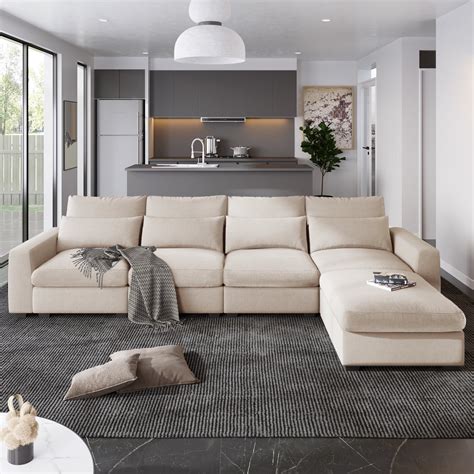
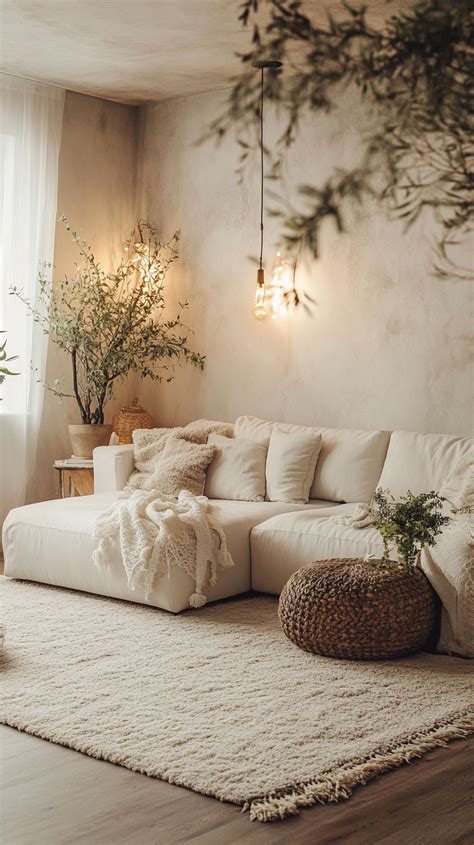
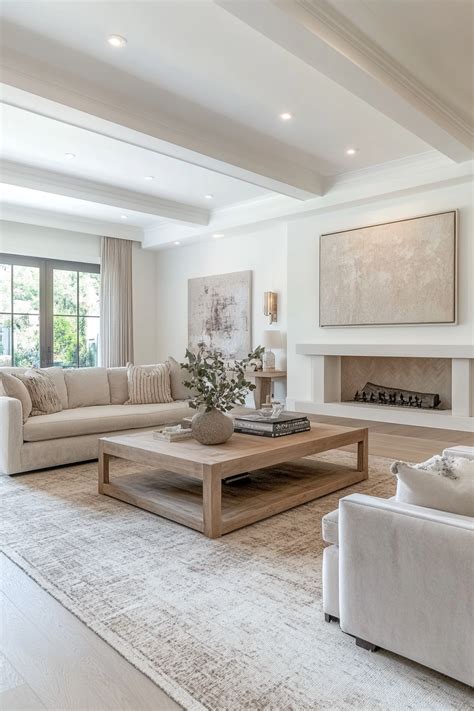
When updating a home, many property owners find themselves caught between two compelling design worlds. On one side lies the comforting familiarity of classic American architecture—think deep crown molding, elegant hearths, and hardwood floors. On the other side beckons the clean, uncluttered ease of contemporary aesthetics. Bridging these two distinct sensibilities creates a transitional living environment that feels neither overly formal nor starkly minimalist. By curating 45 distinct design concepts, homeowners and renters alike can discover how to honor historical architecture while injecting a fresh, modern perspective.
Achieving this balance requires careful attention to scale, proportion, and texture rather than simply throwing random furniture pieces together. Whether you live in a historic brownstone or a sprawling suburban open-concept build, the goal is to establish a cohesive dialogue between old and new. The following curated categories break down actionable ways to revitalize your primary gathering space without losing its structural soul.
Foundation and Color Palettes: Bridging Warmth and Crispness
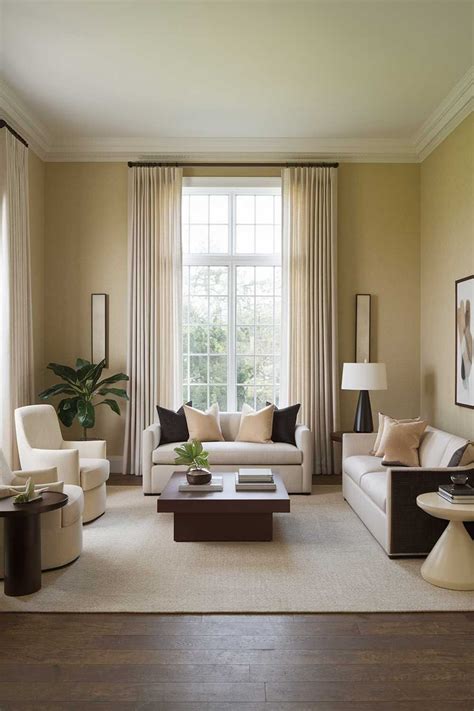
The foundation of any successful contemporary-classic living room begins with color and wall treatments. Traditional American homes often feature rich, warm wood tones and heavy moldings, which can sometimes make a space feel dark. To counteract this, modern-classic design utilizes crisp, warm neutral backdrops like chalky whites, soft ivories, or muted greiges. These shades amplify natural light while allowing vintage architectural details to stand out as sculptural elements rather than visual clutter.
Layering paint finishes adds another subtle dimension to the space. For example, painting historic wainscoting or wall paneling in a sophisticated satin finish while keeping the upper walls in a matte texture introduces depth without demanding loud colors. This approach grounds the room in traditional craftsmanship while maintaining the airy openness favored in modern interior architecture.
The 15 Color and Architectural Concepts
To successfully merge these eras through your color choices and wall treatments, consider incorporating specific foundational strategies throughout your room:
- Monochromatic Trim with Heritage Walls: Pair crisp white trim with warm taupe or greige wall paint to highlight traditional crown molding.
- Subtle Contrast Ceilings: Paint the ceiling a soft, desaturated shade of blue-gray to draw the eye upward in rooms with low or standard heights.
- Textured Lime-Wash Finishes: Apply a modern lime-wash technique over classic plaster walls to introduce soft, organic movement.
- Matte Black Accents: Use matte black window frames or hardware to modernize traditional white-painted architectural built-ins.
- Warm Wood Stains: Strip heavy dark varnish from original hardwood floors and finish them with a natural, low-sheen matte sealer.
By treating the room’s permanent architecture as a blank canvas for modern lighting and textiles, you establish a timeless backdrop that accommodates changing furniture layouts over the years.
Furniture Pairing: Marrying Antique Character with Modern Lines
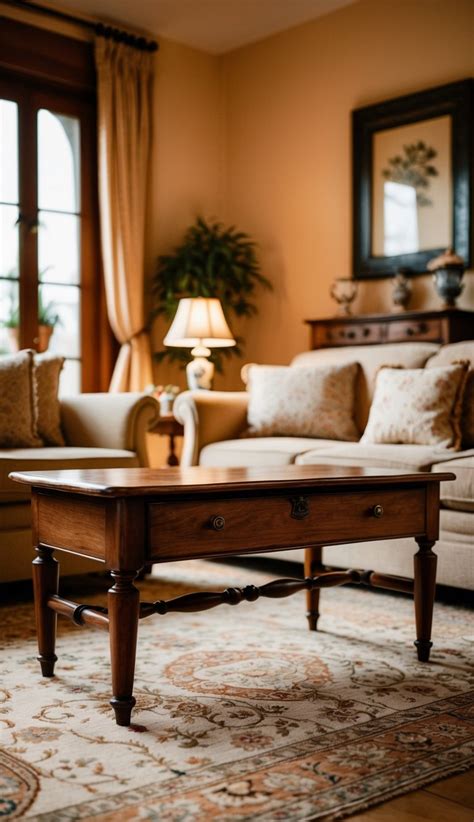
One of the most effective ways to create visual tension in a contemporary living room is through intentional furniture pairing. Placing an ultra-sleek, low-profile modular sofa opposite a meticulously restored antique wooden coffee table immediately generates character. This juxtaposition prevents a room from feeling like a rigid showroom catalog, offering instead a layered narrative that suggests a home curated over time.
When mixing furniture styles, scale is your most reliable guide. If you introduce a heavy, traditional leather armchair with rolled arms, balance it out with a delicate, leggy floor lamp or a glass-topped accent table. This counterbalancing act ensures that neither the heavy classic pieces nor the streamlined modern items overwhelm the floor plan, maintaining comfortable traffic flows essential for everyday American living.
The 15 Furniture and Layout Concepts
Executing this mix requires thoughtful placement and selective editing. Here are key furniture concepts tailored for versatile living spaces:
- The Streamlined Chesterfield: Opt for a classic Chesterfield silhouette upholstered in a plain, performance linen rather than heavy tufted leather.
- Mid-Century Accent Chairs: Introduce wooden frame armchairs with clean geometric lines beside a traditional brick hearth.
- Mixed-Material Coffee Tables: Pair a raw steel or polished concrete base with a reclaimed oak top to bridge industrial and rustic styles.
- Floating Floating Consoles: Use a wall-mounted minimalist media console underneath a traditionally framed family heirloom mirror.
- Asymmetrical Seating Layouts: Ditch matching sofa sets in favor of one large contemporary sectional balanced by two distinct vintage occasional chairs.
This dynamic approach allows your favorite heirloom pieces to shine in a fresh light, giving them renewed relevance in a fast-paced modern lifestyle.
Textiles, Lighting, and Accessories: The Modern-Classic Finishing Layer
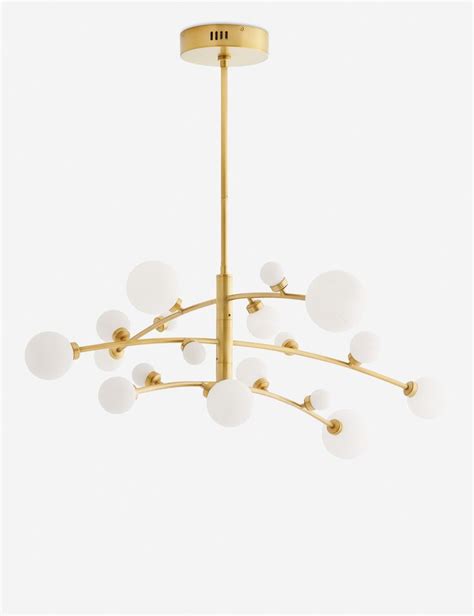
Accessories and lighting fixtures serve as the jewelry of the living room, tying the entire design concept together. In a contemporary-classic space, lighting acts as a bridge between art and utility. Swapping a dated ceiling fan for a sculptural brass chandelier instantly modernizes a room, while table lamps with ceramic or travertine bases add organic weight to traditional sideboards.
Textiles provide the tactile warmth necessary to soften contemporary architectural lines. Layering a vintage-style distressed wool rug over plain hardwood floors immediately anchors the seating area. Introduce heavy velvet drapery paired with sheer linen panels to frame the windows, blending old-world elegance with breezy, contemporary daylight filtering.
The 15 Textile and Decor Concepts
Refine your styling touches with these final design elements to complete your modern-classic transition:
- Abstract Art in Ornate Frames: Hang large-scale contemporary abstract paintings inside heavily carved, antique giltwood frames.
- Oversized Ceramic Vessels: Place minimalist, unglazed terracotta jars on traditional fireplace mantels as standalone focal points.
- Textured Layering: Combine bouclé throw pillows and heavy wool blankets on sleek, tailored leather sofas.
- Linear Sconces: Install slim, minimalist metal wall sconces flanking a classic brick or stone fireplace.
- Organic Botanical Displays: Showcase single dramatic branches, such as olive or magnolia, in tall, unembossed glass vases.
By carefully editing these decorative layers, you can achieve a sophisticated living room that feels deeply personal, highly functional, and perpetually stylish.
Frequently Asked Questions
What defines a contemporary twist on a classic living room style?
A contemporary twist on a classic style combines traditional architectural elements—such as crown molding, built-in shelving, or historic fireplaces—with clean-lined modern furniture, minimalist lighting, and updated, neutral color palettes. The goal is to create a transitional space that honors the home’s structure while feeling fresh and uncluttered.
How can I mix modern furniture with traditional architectural details?
The key to mixing styles successfully is balancing scale and proportion. If your room features heavy architectural details, introduce low-profile, streamlined modern furniture to keep the space from feeling overcrowded. Conversely, add a few vintage or antique accent pieces to rooms with very modern, boxy architecture to inject warmth and character.
What color schemes work best for a transitional living room?
Transitional living rooms typically rely on a backdrop of warm neutrals like soft greige, ivory, crisp white, or warm taupe. You can then layer in richer accent colors through textiles, artwork, and smaller decor pieces, such as muted sages, deep charcoals, or understated terracotta tones.
How do I prevent my living room from looking too dated or too sterile?
If a room looks too dated, update the lighting fixtures, hardware, and wall paint while keeping the best structural bones. If it looks too sterile, counteract the coldness by incorporating natural textures such as wood, wool, leather, and plants, which add organic warmth and lived-in comfort.