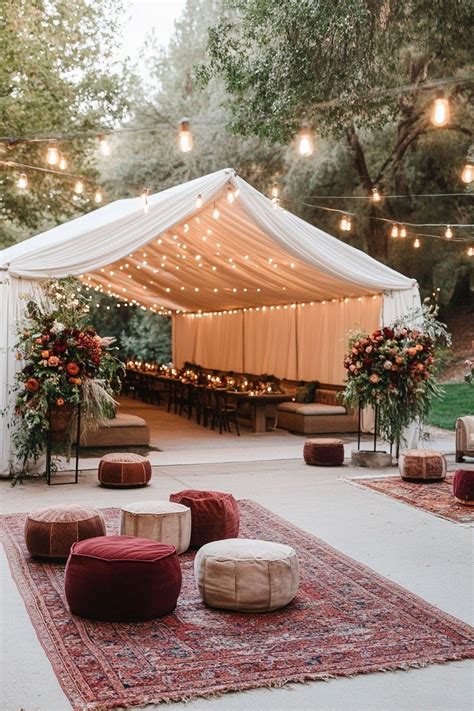
When upgrading an American living room, striking the right balance between sophisticated design and everyday comfort is essential. Many homeowners look to leather furniture because it delivers exceptional longevity and timeless visual appeal, yet selecting the right configuration requires careful planning. Whether you are dealing with a spacious open-concept suburban layout or a more compact urban apartment, incorporating leather sofas and recliners can completely transform the atmosphere of your gathering space.
Successfully integrating these statement pieces involves understanding how different leather grades perform, how to balance bulky reclining mechanisms with streamlined modern decor, and how to arrange your seating for optimal traffic flow. By focusing on practical design choices rather than fleeting trends, you can create a welcoming room that stands up to daily family life while looking effortlessly stylish.
Understanding Leather Grades and Material Durability
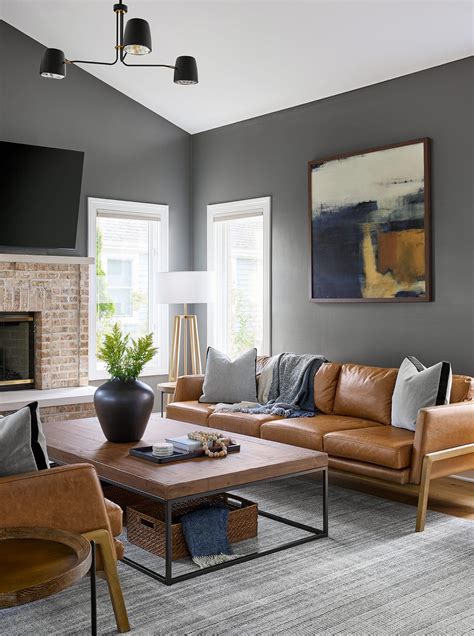
Before selecting the color or silhouette of your new seating, evaluating the quality of the leather is vital for long-term satisfaction. Full-grain leather is widely recognized as the highest quality option because it retains the natural hide’s complete grain, allowing it to develop a rich, beautiful patina over time. While it shows natural markings and scars, its robust structure ensures it will endure decades of regular use in a bustling household.
Top-grain leather is another popular choice for family living rooms, as the surface is lightly sanded and treated to create a more uniform appearance while maintaining strong durability. Unlike bonded leather, which uses leftover scraps fused together with adhesives and polyurethane, top-grain and full-grain options resist cracking and peeling effectively. Homeowners with pets or young children often find that protected top-grain leathers offer a resilient surface that withstands minor spills and everyday wear much better than untreated alternatives.
Balancing Comfort and Scale in American Living Rooms
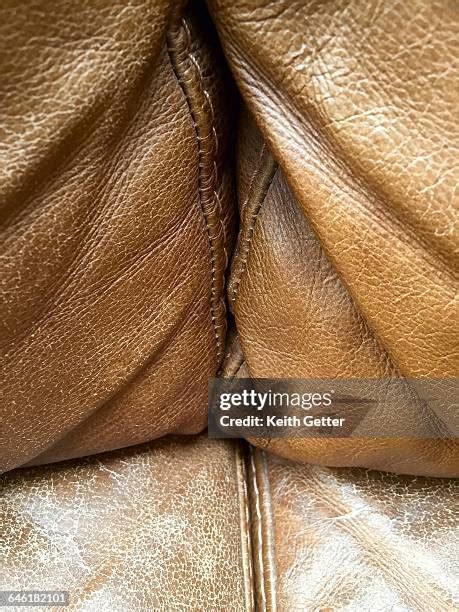
Modern recliners and large leather sofas are famous for their plush, inviting comfort, but their substantial physical presence can easily overwhelm a room if the scale is ignored. In standard American suburban homes with generous square footage, a deep leather sectional paired with a matching power recliner creates an anchor for movie nights and social gatherings. However, leaving adequate clearance around these heavy pieces is crucial to prevent the space from feeling cluttered or difficult to navigate.
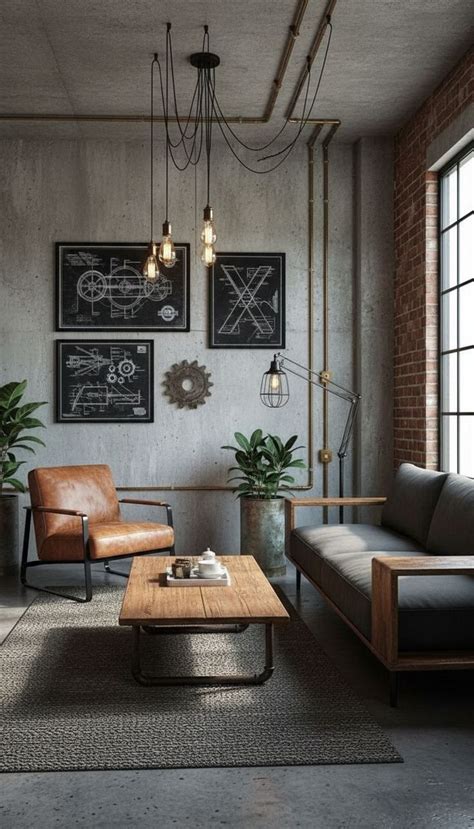
For more compact spaces or urban townhomes, designers recommend opting for wall-hugger recliners and apartment-sized leather sofas with exposed wooden legs. Elevating the furniture off the floor allows light to flow underneath, creating an illusion of greater room volume. Pairing a sleek leather sofa with a single tailored swivel recliner rather than an oversized matching set introduces functional flexibility without sacrificing valuable floor space.
Styling Strategies for Leather Seating in Different Design Schemes
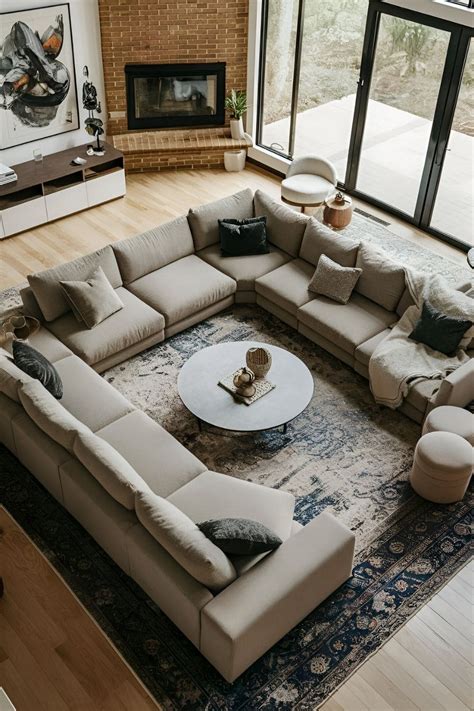
Leather furniture is remarkably versatile, but styling it correctly depends heavily on the color you choose and the surrounding decor elements. Rich chestnut and cognac shades bring warmth and traditional charm to transitional living rooms, especially when paired with neutral wall colors, woven area rugs, and natural wood accents. These warm tones help ground large rooms and create an inviting, cozy environment during cooler months.
On the other hand, black, charcoal, and dark navy leather selections lend themselves beautifully to contemporary and industrial design aesthetics. To keep dark leather from feeling too heavy or austere, layer the seating with textured soft furnishings such as chunky knit throws, linen accent pillows, and patterned cotton textiles. Incorporating metallic finishes like brushed brass or matte black floor lamps further unifies the space and enhances the modern appeal.
Practical Maintenance and Long-Term Care
Maintaining the pristine condition of leather sofas and recliners requires a consistent yet straightforward care routine that prevents the material from drying out. Regularly dusting the surface with a soft, dry microfiber cloth prevents abrasive dirt particles from settling into the natural grain of the hide. Additionally, keeping leather furniture away from direct sunlight and heating vents prevents premature fading and cracking over the years.
Applying a specialized leather conditioner every six to twelve months helps replenish natural oils, keeping the upholstery soft and supple. For households with active pets, selecting distressed or semi-aniline leather finishes is a practical strategy, as minor surface scratches easily blend into the natural texture of the hide rather than standing out as permanent damage.
Frequently Asked Questions
How do I choose between a traditional leather sofa and a leather recliner?
The choice depends primarily on your lifestyle and room layout priorities. Traditional leather sofas offer clean, static lines that anchor a room’s formal design and seat multiple people comfortably. Leather recliners prioritize ergonomic, individualized comfort with adjustable footrests and back angles, making them ideal for dedicated relaxation spaces.
Are leather recliners durable enough for households with kids and pets?
Yes, many leather recliners are exceptionally durable, provided you choose the right grade. Protected top-grain leather resists stains and is easier to wipe clean than most fabrics. However, cats with sharp claws can puncture genuine leather, so families with feline pets often choose distressed leather finishes where minor marks naturally blend in.
What leather colors work best for different American living room styles?
Warm earth tones like cognac, tan, and brown complement traditional, rustic, and transitional American homes. Neutral shades like grey, taupe, and cream fit seamlessly into modern farmhouse or minimalist aesthetics. Bold black or dark brown leathers work exceptionally well in industrial and contemporary urban lofts.
How can I style a bulky leather recliner without making the living room look cramped?
To prevent a bulky recliner from dominating your room, choose a wall-hugger model that requires minimal clearance behind it. Position it at an angle rather than flat against a wall, and pair it with light-colored surrounding decor, open-leg coffee tables, and airy window treatments to maintain visual balance.