Designing a compact living room often feels like solving a complex spatial puzzle. In many standard American homes and apartments, the main gathering space must balance multiple demands: hosting guests, serving as a family media hub, and occasionally acting as a home office or dining nook. When square footage is tight, it is easy to fall into the trap of pushing all furniture against the perimeter or sacrificing personal comfort for the sake of minimalism. However, achieving a cozy atmosphere does not require sacrificing functionality.
The secret lies in thoughtful scaling, intentional layering, and maximizing every vertical and horizontal inch. Instead of viewing compact dimensions as a limitation, you can use targeted design strategies to cultivate intimacy and warmth. Below are 38 practical decor ideas tailored to American housing realities, helping you create a living room that feels expansive, deeply personal, and irresistibly welcoming.
Smart Furniture Solutions for Scale and Flow
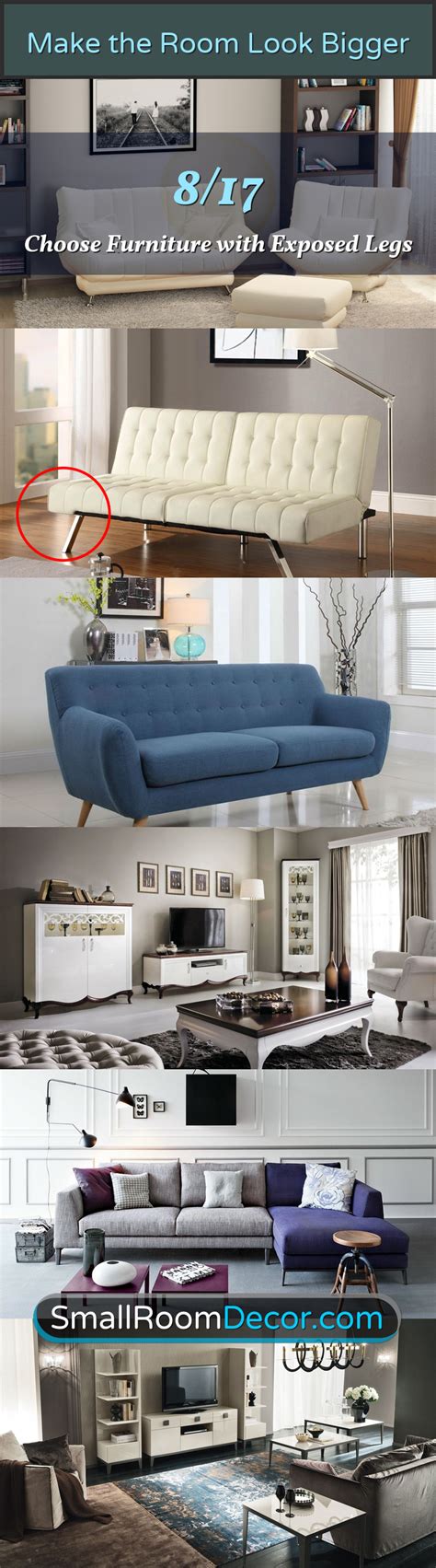
Choosing furniture for a modest footprint requires looking beyond standard showroom pieces and prioritizing physical scale, multi-functionality, and visual weight. Bulky sectionals and oversized media cabinets often overwhelm standard apartment layouts, cutting off natural pathways and making the room feel restrictive. By selecting pieces that breathe, you maintain visual continuity while preserving essential daily utility.
Here are eight targeted furniture strategies designed to optimize flow without compromising your comfort or personal style:
- Opt for exposed-leg sofas: Sofas raised on slender wooden or metal legs allow light to travel underneath, creating an immediate illusion of floor space.
- Embrace nesting tables: Use modular nesting cocktail or end tables that tuck away neatly when floor space is needed for gathering or stretching out.
- Incorporate hidden storage ottomans: Select upholstered ottomans that open up to store extra throw blankets, board games, or seasonal pillows out of sight.
- Choose round coffee tables: Curved edges soften rigid rectangular layouts and make navigating tight pathways around seating zones significantly easier.
- Utilize a slim console table: Place a narrow sofa table behind your main seating arrangement to hold reading lamps and drinks without needing bulky side tables.
- Scale down media centers: Replace heavy entertainment centers floating wall-mounted media ledges that keep the floor plane completely unobstructed.
- Integrate a drop-leaf desk corner: If your living room doubles as a workspace, a wall-mounted fold-down desk keeps office clutter contained when off-duty.
- Select armless accent chairs: Sleek, armless profile chairs provide comfortable secondary seating without taking up valuable visual volume in the room.
Lighting Strategies to Build Warmth and Depth
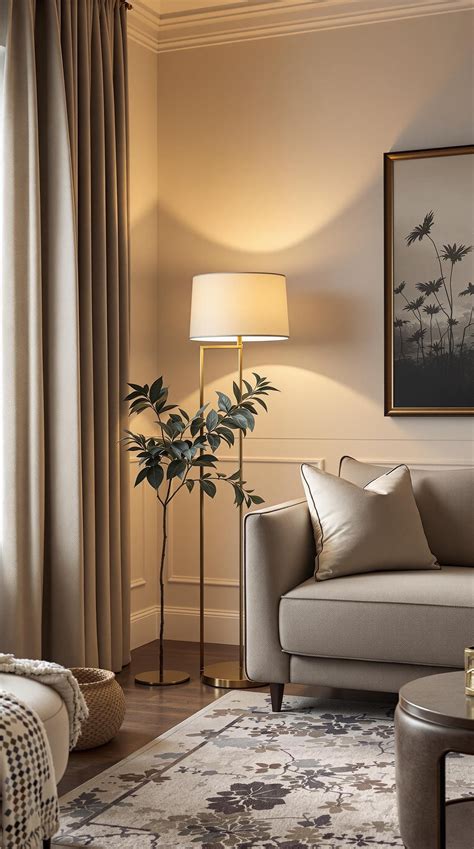
Overhead lighting alone can make a small living room feel harsh, sterile, and boxy. To cultivate a genuinely cozy environment, you need to introduce multiple layers of illumination at varying heights. American homes often rely on central ceiling fixtures, but breaking away from this single-source habit transforms the entire mood of an interior after sunset.
Implement these seven lighting ideas to carve out inviting shadows, highlight textures, and give your compact living room an expansive, glowing quality:
- Ditch the overhead glare: Keep primary ceiling fixtures dimmed or turned off entirely, relying instead on a warm constellation of task and ambient lamps.
- Layer lighting heights: Distribute light across three distinct planes by combining floor lamps, surface table lamps, and wall sconces.
- Install plug-in wall sconces: Perfect for renters, swing-arm wall lamps free up side table space while offering focused reading illumination next to your sofa.
- Use warm white LED bulbs: Look for bulbs rated between 2400K and 2700K to replicate the soft, golden glow of traditional incandescent lighting.
- Place mirrors opposite windows: Position decorative mirrors where they can catch and refract natural daytime light deeper into dark corners of the room.
- Add under-shelf accent lighting: Install subtle LED ribbon lights inside open bookcases to create a warm, library-like ambiance.
- Embrace dimmable fixtures: Equip your lamps and overhead lights with dimmer switches to easily transition the room from daytime brightness to evening coziness.
Textiles, Layering, and Tactile Comfort
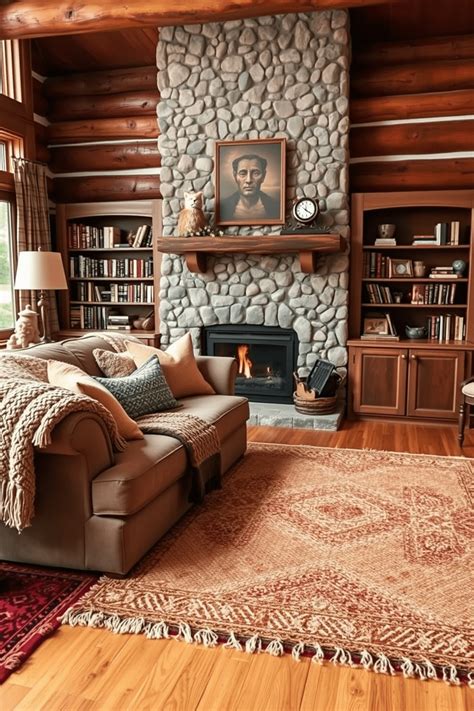
When square footage prevents you from filling a room with physical objects, tactile variety becomes your greatest design asset. Introducing rich textiles, varied weaves, and plush surfaces tricks the eye and satisfies the sense of touch, making even the smallest room feel deeply comforting and thoughtfully finished.
Consider these eight textile-focused approaches to inject instant warmth, comfort, and character into your living room:
- Layer contrasting area rugs: Place a smaller, richly textured vintage rug or faux-hide over a larger, neutral jute base rug to anchor the seating zone.
- Mix tactile cushion fabrics: Combine smooth linen, heavy wool knits, velvet, and woven cotton pillows to add dimension to a standard sofa.
- Drape heavy weighted throws: Drape a chunky wool or faux-fur throw blanket carelessly over an armchair corner to invite physical relaxation.
- Hang floor-to-ceiling drapery: Mount curtain rods several inches above the window frame and let drapes pool slightly on the floor to maximize vertical height.
- Use light linen window filters: If privacy permits, swap heavy blinds for sheer linen panels that diffuse daylight into a soft, hazy glow.
- Upholster in performance fabrics: Choose textured performance wovens that withstand everyday living while maintaining a soft, inviting hand-feel.
- Incorporate floor cushions: Keep a stack of oversized floor pillows tucked in a basket for casual, flexible seating during movie nights.
- Add a plush footstool: Introduce a small, tactile sheepskin-covered stool to rest your feet without occupying permanent visual weight.
Smart Storage and Clutter Control
Clutter is the absolute enemy of coziness. In a compact living room, stray cords, mail piles, and scattered accessories make the space feel chaotic rather than relaxing. Establishing disciplined storage systems ensures your living room remains a serene retreat rather than a catch-all zone.
Try these six functional organizational ideas to keep visual noise to a minimum while celebrating your favorite decor elements:
- Maximize vertical bookcase styling: Take bookcases all the way to the ceiling, drawing the eye upward and providing ample hidden and open storage.
- Use lidded woven baskets: Corral toys, electronics, and extra throws in large, natural seagrass baskets tucked beneath consoles or beside armchairs.
- Utilize floating display ledges: Swap bulky wooden bookshelves for slim picture ledges to display framed art and small objects without encroaching on floor space.
- Incorporate multi-tier bar carts: Use a slim rolling bar cart for entertaining essentials that can easily be moved out of the room when not in use.
- Conceal cords and cables: Use wall cord channels and desktop cable management boxes to eliminate the visual distraction of tangled electronics.
- Curate surface displays: Follow the rule of three on coffee tables and sideboards, leaving plenty of negative space so surfaces feel calm and purposeful.
Wall Treatments and Vertical Space Accents
In smaller rooms, treating walls as blank canvases waiting for color, pattern, and architectural detail can completely redefine the atmosphere. Rather than leaving walls stark white out of fear of shrinking the room, embrace rich tones or clever detailing to wrap the space in a warm, cocoon-like embrace.
Explore these final nine vertical design concepts to add architectural integrity and distinct personality to your living room:
- Embrace dark, moody paint colors: Deep forest greens, charcoal grays, or rich navies can actually make small walls recede, creating an intimate, enveloping vibe.
- Hang a gallery wall correctly: Group smaller frames closely together at eye level to create a powerful focal point that draws the eye across the room.
- Install subtle vertical wainscoting: Add traditional beadboard or slat paneling painted the same color as the walls to introduce architectural depth and height.
- Apply grasscloth wallpaper: Introduce organic texture and subtle pattern by papering a single accent wall or the entire room in natural grasscloth.
- Float large-scale artwork: Avoid hanging tiny art pieces that get lost; instead, anchor the room with one oversized canvas to ground the space.
- Incorporate arched architectural decals: Paint a subtle arch behind a sofa or shelving unit to mimic architectural features found in historic homes.
- Use mirrors to fake windows: Hang an antique multi-pane window mirror on a solid wall to trick the eye into thinking there is an adjoining room.
- Mount a TV within a gallery wall: Surround your television with framed art so it blends seamlessly into the surrounding decor when turned off.
- Add picture light fixtures: Mount a sleek brass picture light above your primary artwork to cast a gallery-like glow that doubles as soft ambient evening lighting.
Frequently Asked Questions
How can I make a small living room feel cozy instead of cramped?
The key to coziness without clutter is editing your belongings and focusing on tactile layers. Instead of filling every corner with small items, choose a few foundational pieces of furniture with exposed legs, layer soft textiles like wool and linen, and rely on warm, low-level lighting rather than harsh overhead fixtures to establish an inviting atmosphere.
What kind of furniture works best in limited square footage?
Prioritize multifunctional and scaled furniture, such as nesting tables, storage ottomans, and sofas raised on slender legs. Avoid oversized sectionals or heavy media centers that block natural pathways and consume valuable floor space, opting instead for streamlined silhouettes that maintain visual openness.
How do I use lighting to create a warm atmosphere in a small space?
Avoid relying solely on central ceiling lights, which can make a small room feel harsh. Instead, build a warm lighting plan by combining floor lamps, table lamps, and plug-in wall sconces equipped with warm white LED bulbs (around 2400K to 2700K) and dimmer switches for maximum control over the evening ambiance.
What are budget-friendly ways to update a small American living room?
You can dramatically refresh a compact living room without a massive budget by rearranging your furniture layout for better flow, swapping out heavy window treatments for sheer linen panels, styling surfaces with thrifted vessels, and introducing inexpensive tactile elements like new throw pillow covers and an oversized area rug.


