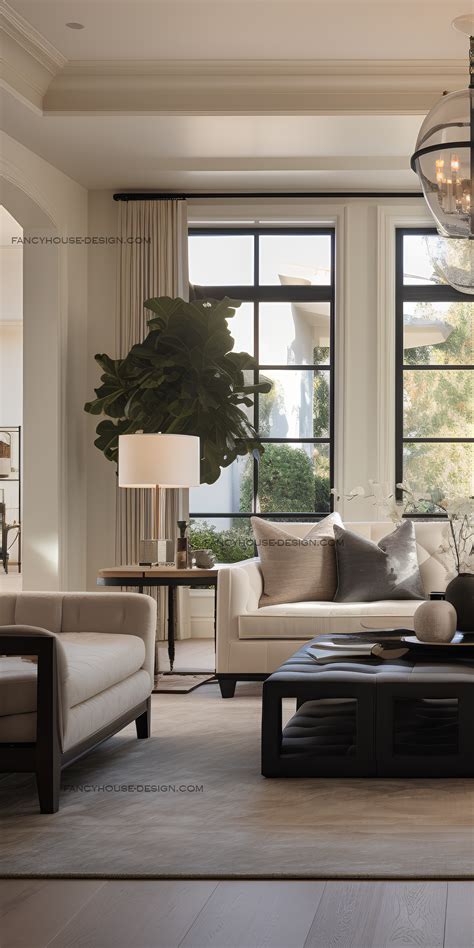
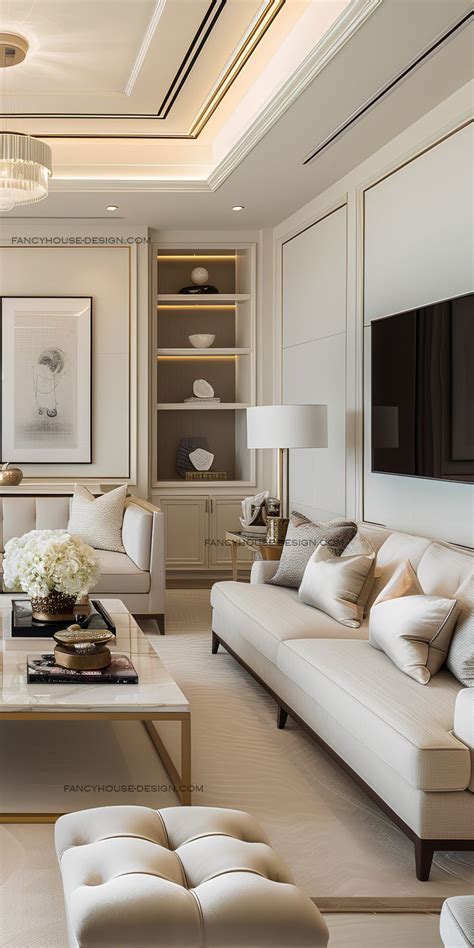
Revamping a living room in a typical American home involves navigating a unique set of spatial challenges, ranging from open-concept layout boundaries to compact apartment proportions. Whether you own a suburban house or rent an urban loft, transforming your primary gathering space requires balancing aesthetic desires with practical daily life. The most successful living room remodels do not just chase fleeting design trends; they fundamentally improve how the room functions, feels, and supports your household routines.
Approaching a living room renovation with a clear strategy helps prevent costly mistakes and overwhelming project creep. By breaking down your remodel into targeted updates—such as reconfiguring layouts, upgrading lighting, or introducing multi-functional furniture—you can achieve a high-end look without necessarily committing to a full structural overhaul. Understanding the trade-offs between DIY projects and professional contractor work ensures that your time and budget are allocated efficiently.
1. Optimize Your Living Room Layout for Flow and Function
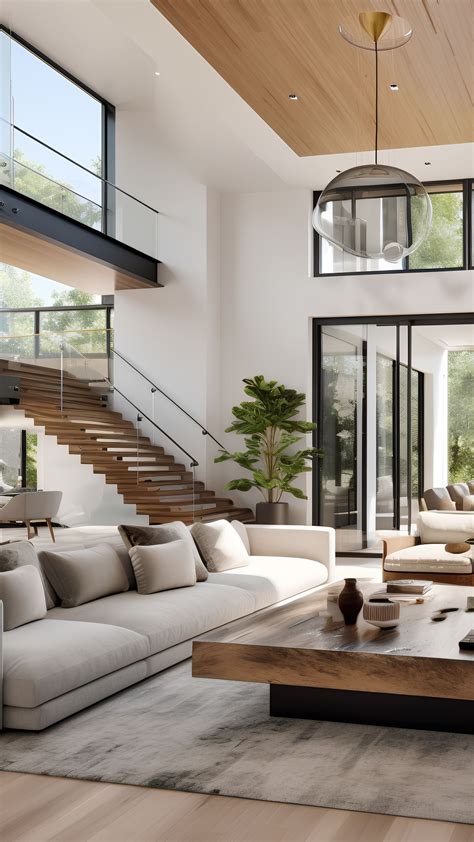
The foundation of any successful living room remodel begins with the floor plan. In many American homes, living areas must serve multiple purposes, including relaxing, entertaining, and working from home. Assessing how people move through the space is critical before purchasing new furniture or painting walls. Creating clear pathways and avoiding blocked sightlines instantly makes a room feel more intentional and spacious.
When rearranging your furniture layout, pull larger pieces away from the walls to create a more intimate conversational grouping, a design principle often used by professional interior stylists. If your living room opens directly into the kitchen or dining area, use area rugs or strategic sofa placement to define distinct functional zones without building physical walls. This approach maintains an open-concept feel while establishing cozy, purposeful boundaries for everyday relaxation.
2. Transform the Atmosphere with Layered Lighting Strategies
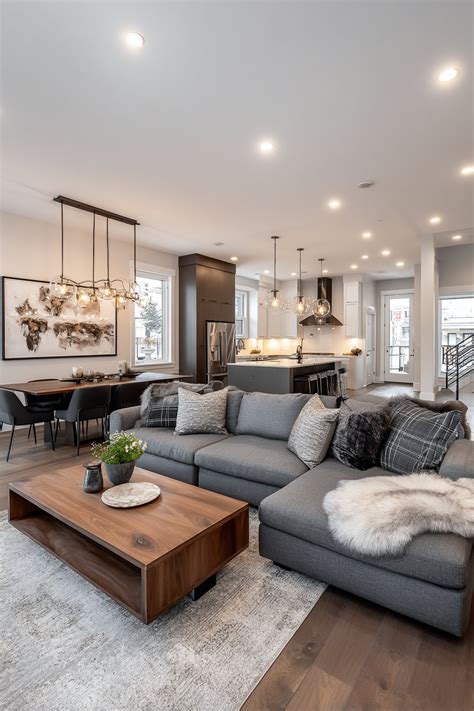
Relying on a single overhead ceiling light often results in a harsh, uninviting atmosphere. A comprehensive lighting overhaul involves layering three distinct types of illumination: ambient, task, and accent lighting. Combining floor lamps, table lamps, wall sconces, and dimmable overhead fixtures allows you to adjust the room’s mood effortlessly depending on the time of day or activity.
Consider installing smart dimmers or color-temperature-adjustable bulbs to seamlessly shift your living room from a bright, productive daytime workspace into a warm, relaxing evening retreat. Placing accent lighting behind media consoles or inside bookshelves also adds architectural depth and visual interest, drawing the eye across the room and highlighting carefully curated decor pieces.
3. Introduce High-Impact Accent Walls and Modern Paint Palettes
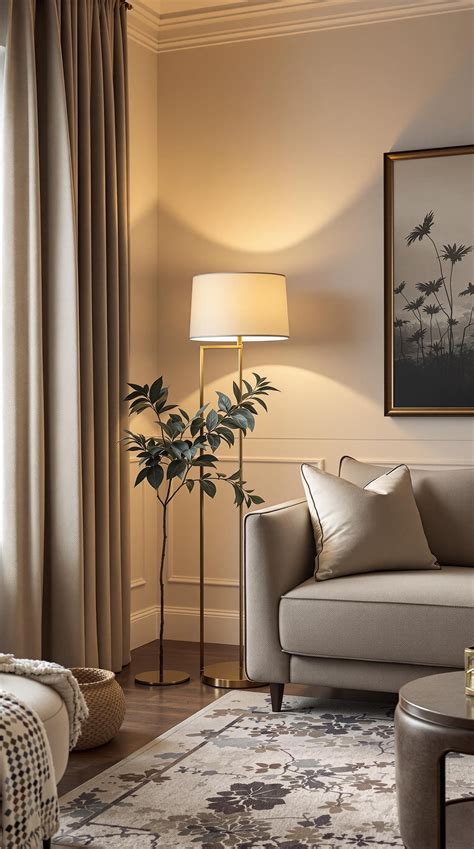
Painting is one of the most cost-effective ways to radically alter the character of a living room. Current design palettes across the U.S. lean toward warm neutrals, earthy terracotta tones, and grounding shades of olive and deep blue. Instead of painting every wall the same color, consider creating a single focal accent wall using a contrasting paint color, natural wood slats, or textured lime wash.
For renters or those hesitant about permanent paint changes, peel-and-stick wallpaper offers a versatile alternative that delivers dramatic visual impact with easy removal. When selecting your color scheme, pay attention to the natural light orientation of your room. North-facing rooms benefit from warmer undertones to counteract cooler natural light, while south-facing spaces can beautifully handle crisp whites and cooler, saturated hues.
4. Invest in Multi-Functional Furniture and Clever Storage
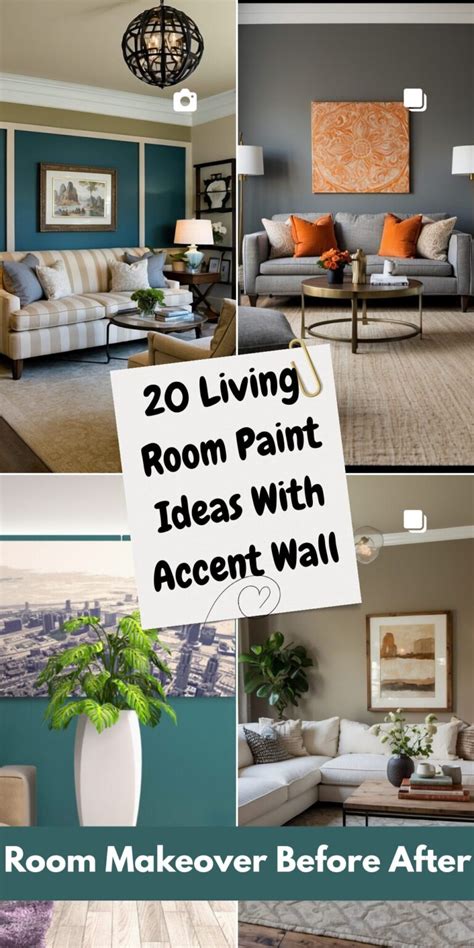
Clutter is the fastest way to make a living room feel cramped and chaotic. Incorporating clever storage solutions helps maintain a clean, tranquil environment, especially in homes where square footage is at a premium. Look for multi-functional furniture items such as storage ottomans, lift-top coffee tables, and media consoles with enclosed cabinetry to keep everyday items out of sight.
Built-in shelving units surrounding a fireplace or TV wall maximize vertical space and offer a customized, high-end architectural look. If built-ins exceed your current renovation budget, modular shelving systems provide similar organizational benefits with the flexibility to adapt if you eventually move to a new home.
Frequently Asked Questions
What are the top living room remodel trends for U.S. homes?
Current popular trends focus on warmth, sustainability, and flexibility. Homeowners are embracing earthy color palettes, layered textures like boucle and natural wood, multi-functional furniture layouts, and seamless integration of smart home technology such as automated window treatments and smart lighting.
How can I remodel my living room on a budget?
You can achieve a significant transformation affordably by focusing on cosmetic updates. Fresh paint, updated throw pillows and area rugs, new window hardware, DIY accent walls, and rearranging existing furniture can entirely change the look and feel of the space without requiring expensive contractor labor or new furniture purchases.
How do I make a small living room feel larger through remodeling?
To maximize a compact space, choose low-profile furniture that keeps sightlines open, hang curtain rods near the ceiling to draw the eye upward, incorporate large mirrors to reflect natural light, and utilize vertical wall storage to keep the floor clear of clutter.
Which living room updates offer the best return on investment?
Updates that improve natural light, energy efficiency, and universal appeal offer the best value. This includes upgrading outdated lighting fixtures, refinishing hardwood floors, installing modern energy-efficient windows, and applying a fresh, neutral coat of paint throughout the space.