Selecting a console table often starts as a purely aesthetic search, but seasoned homeowners know that utility and scale dictate whether the piece will truly work in daily life. Whether you are outfitting a compact suburban foyer or anchoring an open-concept living area, a console table serves as a hard-working anchor that manages clutter, frames mirrors or artwork, and defines traffic flow. Taking the time to evaluate spatial constraints, daily habits, and household safety before purchasing prevents costly mistakes and ensures your new furniture feels like it has always belonged in your home.
Mastering Proportions and Placement in Your Home
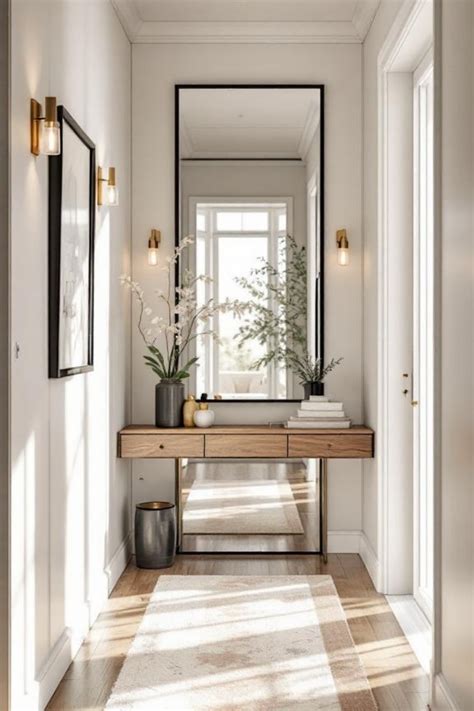
Before browsing styles or finishes, grab a tape measure and evaluate the exact zone where the table will live. In standard American entryways, a console table typically needs to leave at least 36 inches of clear walking space to prevent the foyer from feeling cramped or obstructing door swings. The height of the table should generally match or sit slightly below the back of your living room sofa if placed behind it, hovering around 30 to 33 inches tall to maintain comfortable sightlines.
For narrow corridors or apartment entryways, look for ultra-slim profiles measuring less than 12 inches in depth. These shallow surfaces provide just enough room to drop keys and mail without creating a physical bottleneck. If your layout features an open-concept great room, floating a console table behind the sofa helps zone the space, visually separating the seating arrangement from an adjacent dining nook or entryway.
Balancing Storage Needs with Visual Openness
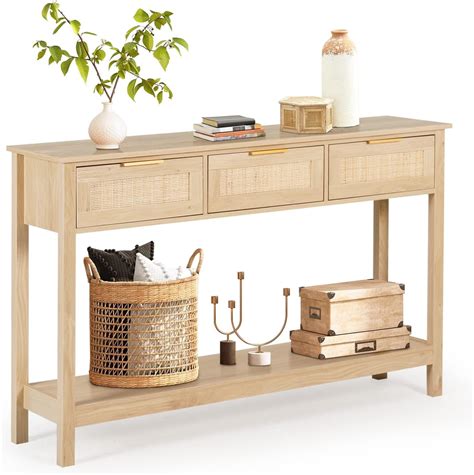
The eternal dilemma when shopping for accent furniture is deciding between concealed storage and open minimalism. If your household struggles with clutter like mail, charging cords, and dog leashes, a console table featuring integrated drawers or closed cabinets is usually the most practical choice. These hidden compartments keep daily necessities out of sight while maintaining a clean, curated surface on top.
Conversely, if your room feels dark or compact, an open-base metal or glass console table introduces lightness and visual breathing room. These styles prevent the furniture from blocking heating vents or baseboard registers, which is a common logistical challenge in older homes. You can always add texture and hidden storage later by tucking woven baskets or wooden storage bins onto the lower shelf of an open-frame table.
Material Durability for High-Traffic Living
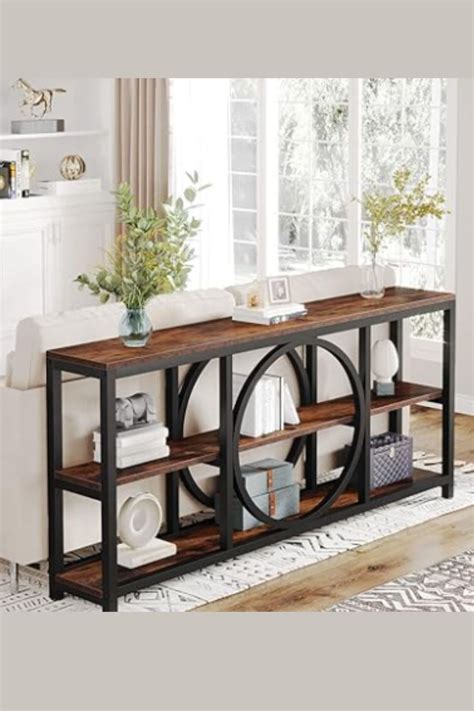
Materials dictate both the visual weight and the long-term durability of your console table. Solid hardwood options like oak, walnut, or maple offer timeless appeal and exceptional resilience, making them ideal for high-traffic entryways where bags, keys, and wet umbrellas land daily. However, wood surfaces may require coasters or protective trays if placed underneath a frequently used drop zone.
Metal and glass combinations bring an airy, contemporary edge that suits modern transitional or industrial interiors. While tempered glass is remarkably strong, it does show dust and fingerprints easily, requiring more frequent wiping in active households. Marble or stone-topped consoles deliver high-end sophistication and incredible durability, though porous stones require proper sealing to prevent staining from spilled liquids or plant water.
Styling and Safety Considerations
Once your console table is in place, styling should follow the rule of asymmetrical balance. Pair a tall element, such as a table lamp or a framed mirror, with lower horizontal items like stackable art books or decorative trays to create visual depth. Avoid overcrowding the surface; leaving negative space allows the table itself to shine while keeping the area functional for daily drop-offs.
Safety is the final, crucial step in your furniture setup, particularly in households with young children or energetic pets. Because console tables are inherently narrow and often top-heavy when styled with lamps and ceramics, anchoring the piece securely to the wall using a tip-over restraint kit is a non-negotiable safety measure that protects your investment and your family.
Frequently Asked Questions
How high and wide should a console table be for an entryway?
Most standard console tables range between 30 and 34 inches in height, which aligns comfortably with standard door handles and light switches. Width should be determined by your wall space, leaving at least 6 to 12 inches of bare wall on either side so the piece does not look crammed into the corner.
What is the best console table style for a narrow hallway or apartment?
Look for floating wall-mounted console tables or slim-profile designs with depths under 12 inches. Open metal frames or leggy mid-century modern silhouettes also work exceptionally well because they allow light to pass underneath, making small hallways feel more expansive.
How do I choose between a console table with storage and an open minimalist design?
Assess your clutter patterns honestly. If your entryway frequently collects keys, sunglasses, and random mail, closed drawers or cabinets are essential. If the table is purely decorative or located in a formal sitting room where clutter is minimal, an open-base design keeps the room feeling light and uncluttered.
What materials hold up best against heavy daily use in high-traffic entryways?
Solid hardwoods and powder-coated metals stand up exceptionally well to daily wear and tear. They resist dents and scratches better than veneered particle board and can handle the weight of heavy ceramic lamps, planters, and everyday drop-zone items.


