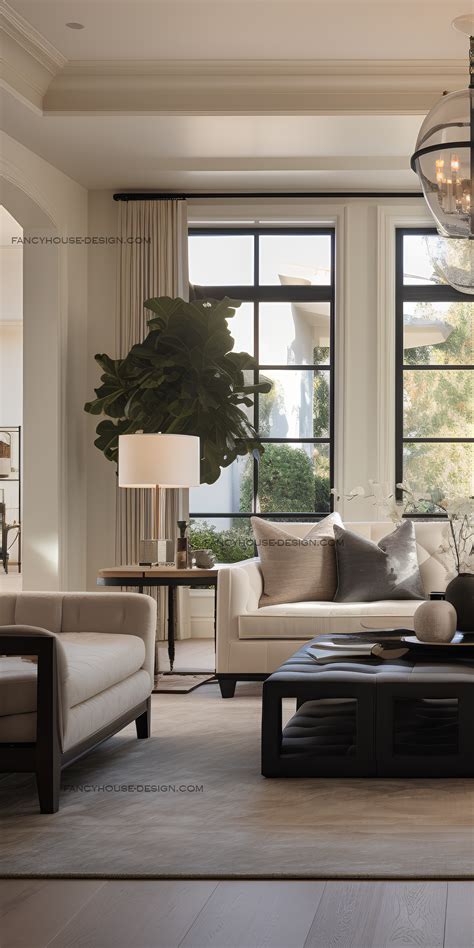
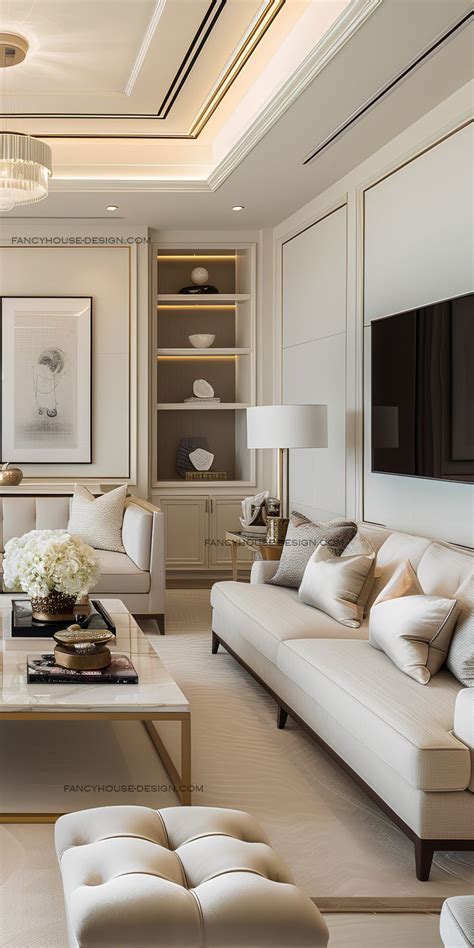
Creating a true living room sanctuary requires much more than simply copying furniture arrangements from a catalog. Across American homes and apartments, the living room serves as a multi-functional hub where families unwind, guests are entertained, and quiet evenings unfold. Transforming this central space into a personalized oasis means balancing aesthetic appeal with everyday comfort. By intentionally selecting your layout, color scheme, lighting, and decorative accents, you can build a restorative environment that genuinely reflects your personality and supports your daily routines.
Defining Your Personal Style and Room Mood
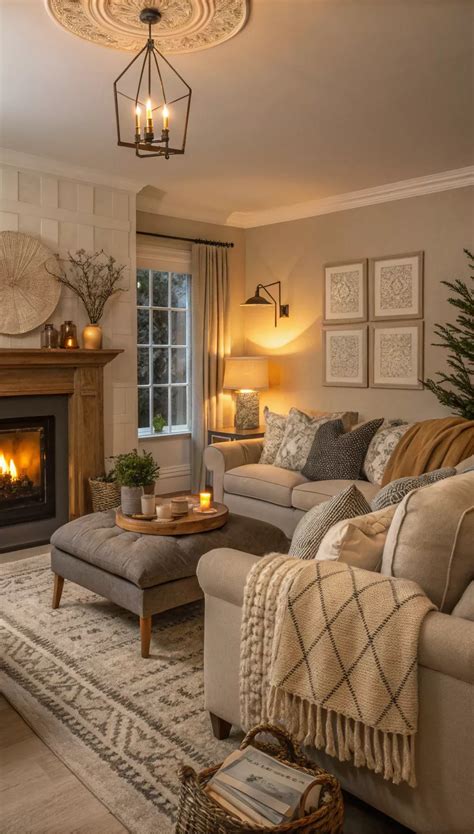
Before purchasing new decor or rearranging furniture, take time to evaluate how you want your living room to feel. While visual trends come and go, your personal sanctuary should prioritize emotional comfort and psychological ease. Consider whether you gravitate toward calm, minimalist spaces featuring neutral tones, or if you feel more at home surrounded by rich textures, vintage finds, and vibrant color stories. Walking through your daily routines can help clarify these preferences. If your primary goal is relaxation after a demanding workday, soothing earth tones and soft fabrics will serve you far better than high-contrast, energizing palettes.
Translating these emotional goals into physical design choices involves gathering visual inspiration while filtering it through the reality of your square footage. Traditional American suburban homes often feature spacious open-concept layouts that require designated zoning, whereas urban apartments demand clever multi-functional arrangements. Create a mood board using digital tools or physical clippings to pin down recurring themes in your favorite spaces. Notice the common denominators: do you consistently choose warm wood finishes, sleek metal accents, or layered textiles? Identifying these core elements prevents impulse buying and keeps your design cohesive as you build your personalized oasis step by step.
Selecting Functional and Comfortable Seating
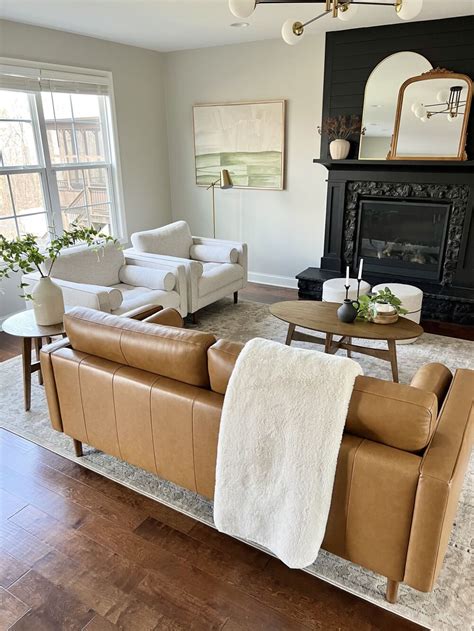
Seating forms the functional backbone of any living room oasis. When evaluating sofas, sectional sets, or armchairs, comfort must always take precedence over strict aesthetic trends. Consider the scale of your room carefully before falling in love with an oversized sectional that might overwhelm a modest suburban floor plan or block natural walkways in an urban apartment. Upholstery choice is equally critical; durable, stain-resistant performance fabrics offer peace of mind for households with children or pets, while luxurious velvets and textured linens introduce tactile depth and sophisticated visual warmth.
Arranging your seating arrangement encourages conversation and relaxation. Instead of pushing every piece of furniture flat against the perimeter walls—a common habit in narrow living rooms—try floating your primary sofa slightly inward or anchoring the seating group with a generously sized area rug. This subtle shift opens up traffic flow and makes the entire room feel more intimate and intentional. Supplement your main sofa with versatile accent chairs or upholstered ottomans that can easily double as extra seating when hosting visitors or serving as a footrest during quiet weekend reading sessions.
Layering Lighting for Atmosphere and Function
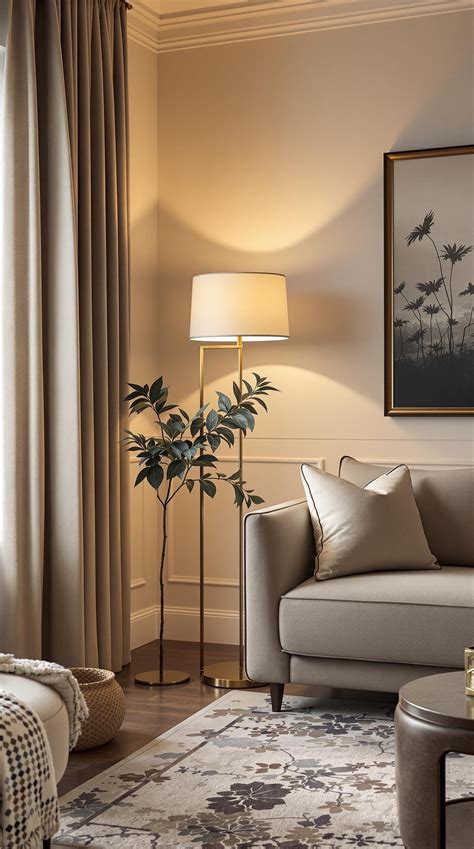
Overhead lighting alone rarely creates a welcoming, relaxing atmosphere. A well-designed living room incorporates a layered lighting strategy utilizing three distinct tiers: ambient, task, and accent lighting. Ambient lighting provides general illumination, typically through ceiling fixtures or recessed lights. However, relying solely on a single central light source can cast harsh shadows and make a room feel sterile. Introducing floor lamps, table lamps, and wall sconces brings light sources down to human scale, instantly softening the room’s overall ambiance and highlighting your favorite architectural features or artwork.
To maximize flexibility throughout the day, equip your lamps with warm-toned LED bulbs and adjustable dimmer switches. Bright, cooler light helps maintain focus during morning routines or working from home, while warm, amber hues signal to the brain that it is time to unwind in the evening. Accent lighting, such as picture lights above a favorite canvas or subtle LED strip lighting behind media consoles, adds architectural dimension and visual interest. By giving you total control over brightness levels, layered lighting transforms a basic living room into a dynamic sanctuary that adapts effortlessly to your changing moods.
Incorporating Personal Touches, Art, and Greenery
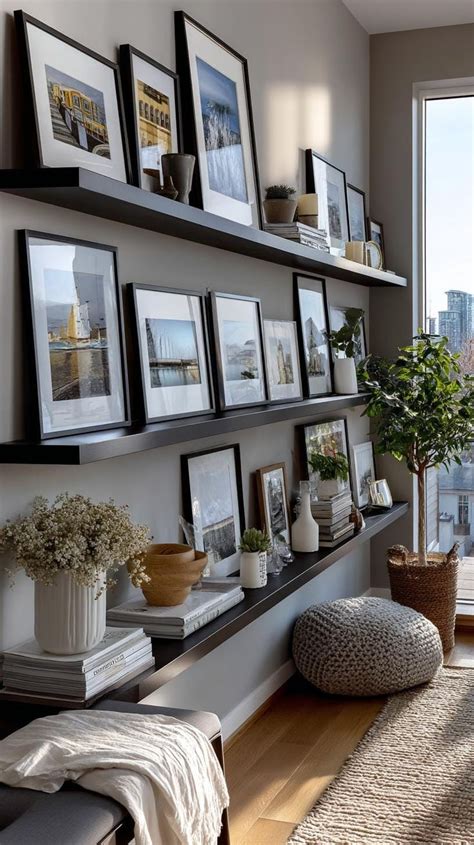
The true distinction between a generic showroom and a personalized living room oasis lies in the curated details you choose to display. Artwork, family photographs, travel souvenirs, and heirloom pieces tell your unique life story and inject soul into the space. When hanging art, avoid the common mistake of placing frames too high; gallery walls and statement canvases generally look most natural and cohesive when centered at eye level. Mix frame styles and materials for an eclectic, collected-over-time aesthetic, or stick to uniform frames for a clean, modern gallery effect.
In addition to personal artifacts, bringing living greenery indoors is one of the most effective ways to revitalize a room’s energy. Houseplants like snake plants, fiddle-leaf figs, pothos, or cascading ivy introduce organic shapes and vibrant color while simultaneously improving indoor air quality. If you have limited natural light, hearty low-light varieties or high-quality botanical stems placed in ceramic vases can achieve a similar earthy effect without the maintenance demands. Balance your plants across different heights by utilizing plant stands, floating shelves, and top surfaces of side tables to distribute natural vitality throughout the entire room layout.
Adapting Living Room Designs for Renters vs. Homeowners
While homeowners often have the freedom to knock down walls, install built-in shelving, or completely rewire electrical circuits, renters face distinct structural limitations. Fortunately, crafting a personalized living room oasis requires no permanent renovations. Renters can easily bypass restrictive lease clauses by utilizing renter-friendly decorating strategies. Heavy-duty adhesive hooks, tension rods, peel-and-stick wallpaper accents, and plug-in wall sconces allow you to personalize walls and lighting entirely damage-free, ensuring your full security deposit remains intact when it is time to move.
Homeowners, on the other hand, can invest in permanent architectural upgrades that enhance long-term property value while elevating everyday comfort. Installing crown molding, adding built-in bookcases around a fireplace, or upgrading baseboard heaters and outlet covers can radically refine the character of older homes. Regardless of whether you own your property or rent a temporary urban apartment, the fundamental goal remains identical: prioritize comfortable furniture, thoughtful lighting layouts, and meaningful decor that makes your living room feel undeniably like home from the moment you step inside.
Frequently Asked Questions
How do I start designing a personalized living room oasis on a budget?
Begin by auditing what you already own and rearranging your current layout to improve traffic flow and natural light. Decluttering surface areas instantly refreshes a room’s energy without spending any money. When you are ready to introduce new items, prioritize versatile foundational pieces like a comfortable rug or throw pillows, and thrift for unique vintage decor or art frames.
What are the best lighting strategies for a cozy living room atmosphere?
Avoid relying solely on harsh overhead ceiling lights. Instead, use a three-tier lighting approach combining ambient overhead lights, functional task lighting (like reading lamps), and warm accent lighting. Utilizing smart bulbs or dimmer switches allows you to easily transition the room’s mood from bright and productive to soft and relaxing.
How can renters personalize their living rooms without damaging walls?
Renters have numerous options for making a space their own without violating lease agreements. Use heavy-duty adhesive strips for lightweight art and mirrors, freestanding bookshelves instead of built-ins, and plug-in wall sconces that require no hardwiring. Peel-and-stick wallpaper and large area rugs are also fantastic tools for introducing color and texture temporarily.
What essential furniture pieces do I need for a comfortable living room?
A well-balanced living room typically requires a comfortable primary sofa or sectional, one or two versatile accent chairs or ottomans, a functional coffee table or nesting tables, and appropriate side table surface space paired with reliable lighting. Tailor the scale of these pieces to your specific room dimensions to maintain an open, welcoming environment.