Decorating a compact living room often feels like solving an intricate puzzle. When every single square foot counts, finding the balance between personal expression and practical layout requires deliberate choices. Instead of settling for a cramped or uninspired room, you can leverage clever spatial tricks and multi-functional decor to completely shift the atmosphere of your apartment. Whether you are dealing with awkward architectural angles, minimal natural light, or rental restrictions that prevent you from picking up a paintbrush, thoughtful design makes all the difference.
Achieving a stylish small apartment living room is less about squeezing in furniture and more about editing, scaling, and optimizing every element. The following twenty-nine targeted strategies offer practical, renter-friendly, and homeowner-approved concepts to help you maximize your footprint without sacrificing comfort or character. Each approach focuses on improving visual flow, utilizing overlooked square footage, and enhancing everyday usability.
Smart Furniture and Layout Strategies

Choosing the right furniture pieces is the foundation of any successful small-space interior design plan. Bulky sofas and oversized armchairs quickly swallow up valuable floor area, leaving the room feeling heavy and constricted. By prioritizing streamlined profiles and pieces that serve multiple purposes, you create an open flow of movement that instantly makes the entire apartment feel more expansive and thoughtfully curated.
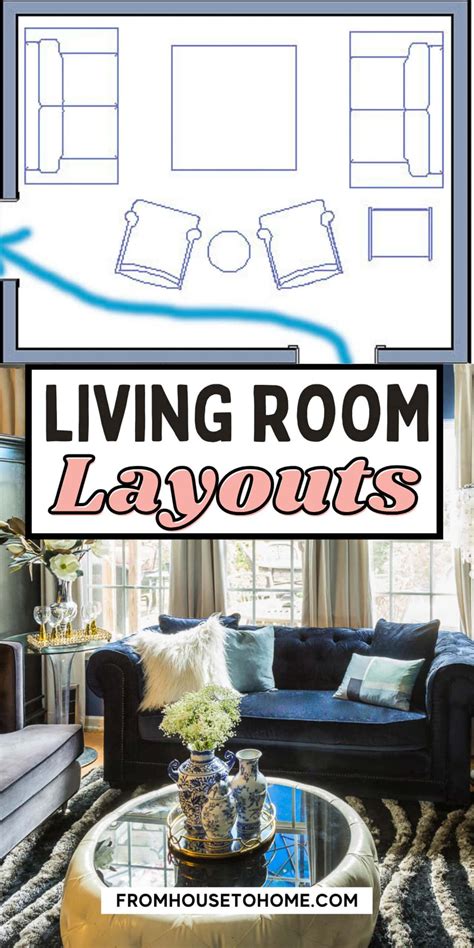
When planning your layout, remember that furniture placement matters just as much as scale. Pulling large items slightly away from perimeter walls rather than pushing everything flush against them can actually create breathing room. Furthermore, keeping central pathways clear ensures that traffic flows naturally, preventing the room from feeling blocked off or chaotic during daily use.
1. Opt for Legs on Furniture
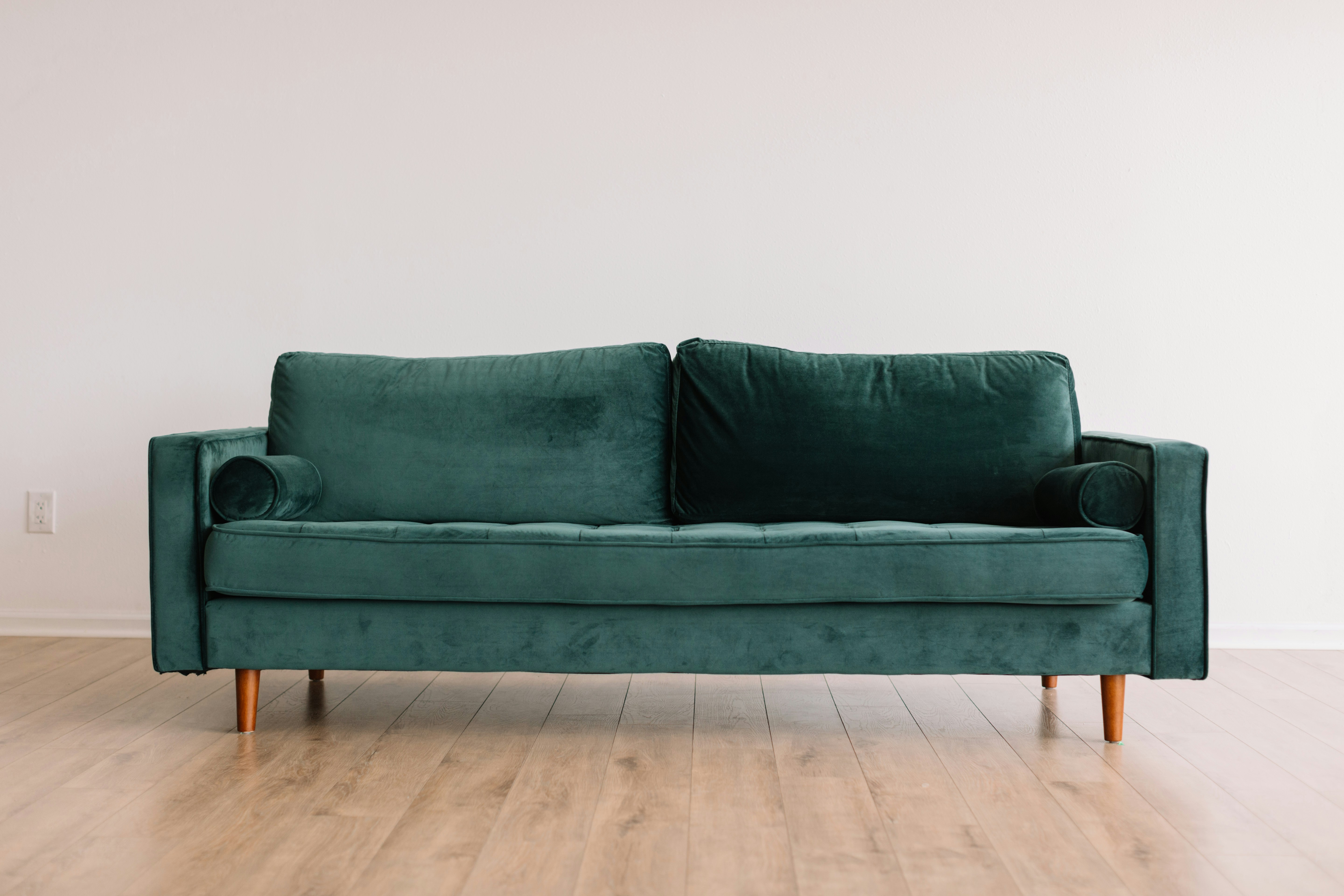
Select sofas, chairs, and media consoles that feature exposed legs rather than solid bases that sit directly on the floor. Elevated furniture allows light to pass underneath, tricking the eye into perceiving a much larger floor area and keeping the visual weight light.
This design choice creates an uninterrupted expanse of flooring that makes the room feel wider and deeper than it actually is. When shopping for seating, look for slender wooden or metal legs that measure at least four to six inches in height to maximize this optical openness.
2. Invest in Nesting Coffee Tables
Swap out a massive center table for a set of nesting tables. You can tuck them away neatly when you need open floor space for yoga or gatherings, and pull them apart to provide surface area for drinks or books when hosting guests.
Nesting designs offer incredible versatility because they scale dynamically with your needs. When separate, they distribute tabletop surfaces across different seating zones, and when combined, they occupy the exact footprint of a single compact side table.
3. Utilize Storage Ottomans
An upholstered storage ottoman doubles as a comfortable footrest, extra seating when friends visit, and a hidden compartment to stash away unsightly throw blankets, board games, or electronic cables.
Choosing a fabric or leather finish that complements your primary sofa ensures the piece looks intentional rather than purely utilitarian. It provides a soft landing spot for tired feet while solving common small-space storage deficits seamlessly.
4. Embrace Transparent Acrylic Pieces
Ghost chairs or acrylic coffee tables practically disappear into a room. They provide functional utility without adding visual clutter, making them exceptional tools for very tight layouts.
Because light passes straight through transparent materials, your field of vision remains completely uninterrupted. This clever trick prevents a crowded room from looking overcrowded, allowing other statement pieces to shine without competition.
5. Choose a Low-Profile Sofa
A low-slung sofa keeps eye-level sightlines open across the room. Pairing a low profile with clean, tailored arms prevents the seating arrangement from dominating the apartment’s main focal point.
Lower furniture heights also enhance the vertical proportions of your walls, making standard ceiling heights feel considerably more generous and airy. Pair the low sofa with low-backed armchairs to maintain a balanced, cohesive conversational grouping.
Lighting and Color Optical Illusions

Light and color are your most powerful allies when shaping the perception of space within a compact living environment. While dark, moody walls certainly have their place in interior design, lighter color palettes reflect natural sunlight and bounce it around the room. Combined with layered lighting fixtures, you can easily banish dark corners and create an airy, sophisticated sanctuary.
Establishing a harmonious color flow throughout connected living, dining, and entryway zones further expands your visual horizons. When the eye encounters fewer abrupt color shifts, rooms tend to bleed together visually, creating an expansive impression of an open-concept layout even within modest square footage.
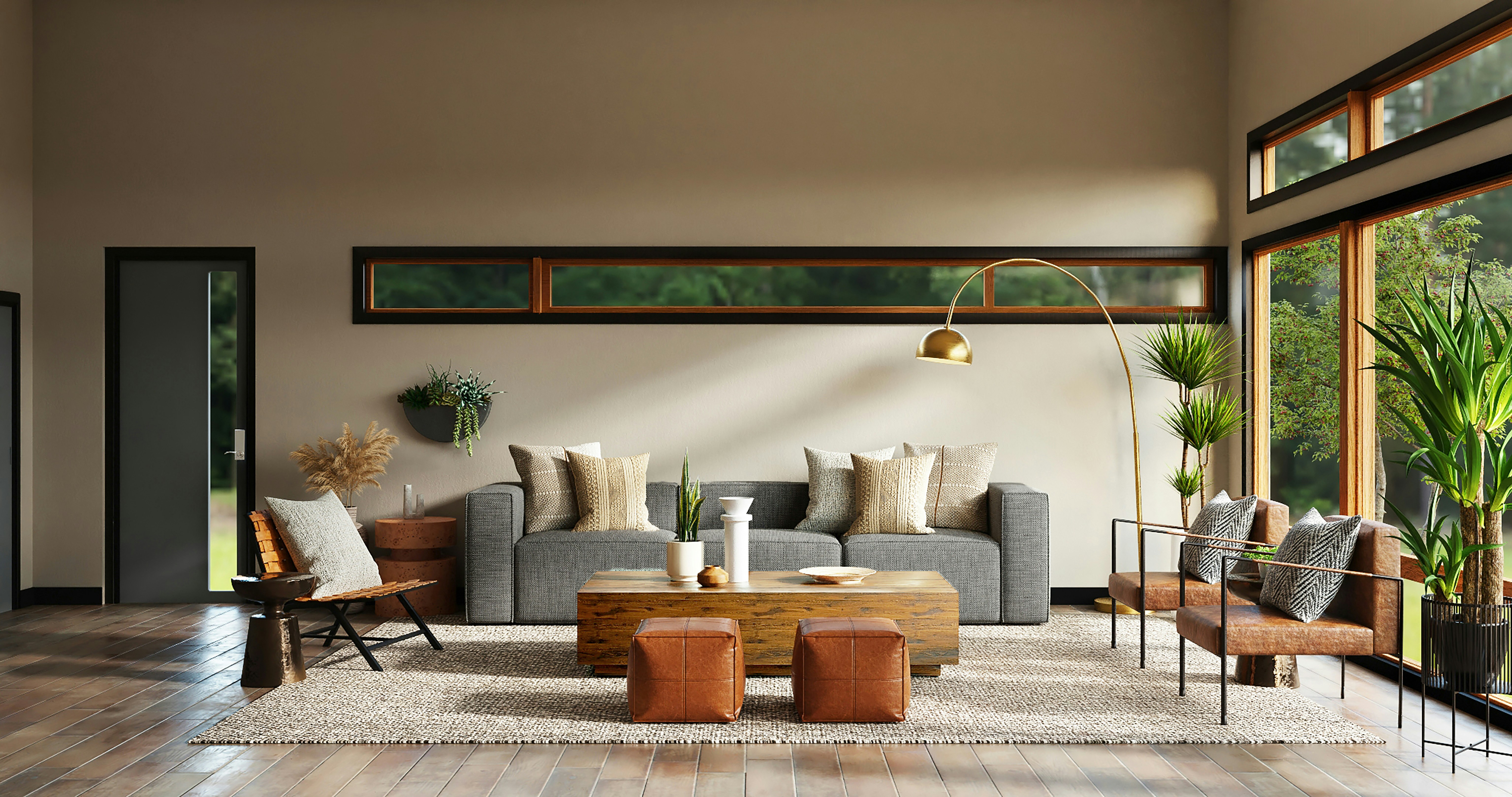
6. Hang Oversized Mirrors Strategically
Position a large floor mirror directly opposite a window to capture outdoor views and double the amount of natural daylight pouring into the living space, instantly brightening up neutral interiors.
Mirrors act as virtual windows, tricking the brain into registering twice the depth in a cramped area. Selecting a frame with a simple, slim profile prevents the mirror from looking heavy and keeps the modern aesthetic clean.
7. Stick to a Cohesive Neutral Palette
Paint walls and large furniture in soft whites, warm greys, or muted beiges. Monochromatic schemes reduce visual friction, allowing the boundaries of the room to visually recede.
When you eliminate stark contrast between walls, trim, and large furniture, the eye travels smoothly across the space. You can easily introduce pops of color later through easily swappable accessories like throw pillows and artwork.
8. Layer Multiple Light Sources
Avoid relying solely on a harsh overhead ceiling light. Combine floor lamps, table lamps, and wall sconces at varying heights to cast a warm, ambient glow that defines cozy zones.
Lighting different vertical tiers eliminates shadowy corners that make small rooms feel claustrophobic. Dimmable bulbs allow you to transition the atmosphere effortlessly from bright, productive daytime lighting to intimate evening relaxation.
9. Introduce Vertical Striped Accents
Subtle vertical lines in window treatments or wallpaper draw the eye upward, giving the comforting illusion of higher ceilings in apartments with modest vertical clearance.
Even a subtle striped pattern in neutral tones adds sophisticated texture while subconsciously forcing viewers to perceive more vertical volume. This works exceptionally well in older apartments with low plaster ceilings.
10. Use Glossy or Metallic Finishes
Incorporate brass, chrome, or lacquered decor elements that catch and reflect light, adding a touch of understated glamour without requiring extra physical space.
Reflective surfaces bounce ambient light around the room just like mirrors do. Small brass trays, metallic picture frames, or a lacquered side table deliver high visual impact while taking up minimal physical estate.
Vertical Space and Wall Optimization
When floor space is severely limited, the only direction left to look is upward. Failing to utilize your walls means leaving half of your apartment’s potential storage and styling capacity completely untouched. Thoughtful vertical organization keeps floors immaculate while drawing attention to striking art displays and architectural features.
Taking storage all the way to the ceiling also encourages you to keep everyday clutter off horizontal surfaces. By establishing dedicated upper storage zones for less frequently used items, your main living level stays clean, breathable, and serene.
11. Install Floor-to-Ceiling Shelving
Custom or modular floating shelves that reach all the way to the ceiling draw the eyes upward and offer endless display options for books, plants, and curated decorative objects.
Vertical shelving maximizes your storage yield per square foot of floor space. Organizing books by color or balancing heavy items on lower shelves creates a stable, attractive display that commands attention.
12. Hang Curtains High and Wide
Mount your curtain rods several inches above the window frame and extend them past the trim. This exposes more glass, lets in extra light, and makes standard windows look expansive.
Hanging window treatments wide tricks the eye into thinking the windows span a much larger portion of the wall. Select lightweight fabrics that puddle slightly on the floor for an elegant, luxurious finish.
13. Create a Gallery Wall That Reaches High
Arrange framed artwork in a cohesive cluster that extends well above normal eye level, filling vertical wall gaps and infusing the room with personal storytelling.
A towering gallery wall makes ceilings feel taller by engaging the upper third of the room. Use paper templates on the floor first to test your arrangement before putting any nails into the wall.
14. Use Wall-Mounted Media Consoles
Floating your television cabinet completely off the floor clears up valuable square footage underneath for baskets, shoes, or a cleaner aesthetic line.
Suspending furniture off the floor reinforces the airy feeling generated by exposed table legs. It also makes floor cleaning significantly easier since there are no awkward legs or cabinet corners to sweep around.
15. Hang Statement Plants
Utilize macrame plant hangers or wall-mounted brackets to introduce lush greenery into the room without sacrificing precious tabletop or floor estate.
Trailing vines like pothos or philodendrons soften hard architectural corners and inject organic life into sterile apartments. Hanging them near windows ensures they receive adequate sunlight to thrive.
Rugs, Textiles, and Scale
Scale and proportion are common pitfalls in small living room design. Many people mistakenly purchase miniature rugs and tiny furniture pieces, thinking it will save space, when it actually makes the room look disjointed and cluttered. Proper textile sizing creates harmony and defines functional zones clearly.
Soft furnishings also absorb sound echoes in hard-surface apartments, making small spaces feel quieter and more intimate. Paying close attention to tactile variety ensures that a neutral, compact room retains warmth and emotional appeal.
16. Lay Down an Oversized Area Rug
A rug that is too small shrinks the room visually. Choose an area rug large enough for the front legs of your sofa and chairs to rest comfortably on top, anchoring the layout.
An adequately sized rug defines the boundaries of your conversational zone, stopping floating furniture from looking adrift. Natural fibers like jute or wool add wonderful organic texture while standing up to high foot traffic.
For deeper spatial planning, consider how your main rug relates to doorways and primary pathways. Leaving a consistent perimeter of bare flooring around a large area rug highlights the room’s actual dimensions rather than masking them, creating a clean frame for your primary furniture grouping.
17. Opt for Lightweight Window Drapes
Heavy velvet drapes can overwhelm a tiny living area. Choose breezy linen or cotton curtains that filter natural light softly while maintaining an effortless, relaxed vibe.
Light-filtering fabrics maintain privacy during the day without plunging your compact room into darkness. They move gracefully with gentle indoor air currents, adding subtle dynamic energy to the space.
18. Limit Pattern Chaos
Stick to a controlled textile pattern mix. Pair a bold geometric rug with solid throw pillows, or combine subtle stripes with solid textures to prevent visual fatigue.
In tight quarters, too many competing patterns create instant visual noise that makes the room feel smaller. Establish one hero pattern and support it with solid or highly textured complementary fabrics.
19. Play with Tactile Textures
In a neutral small space, variety comes from touch. Combine chunky knit throw blankets, smooth leather cushions, and woven baskets to build visual depth without adding loud colors.
Layering different textures adds instant coziness and sophistication. A smooth velvet cushion paired with a rough-hewn wooden tray creates an engaging sensory interplay that elevates simple decor.
20. Keep Throw Pillows Scaled Down
Avoid massive Euro shams that take over an entire sofa seat. Choose standard lumbar pillows and 18-inch squares that provide comfort without forcing you off the couch.
Proportion is vital when accessorizing small seating. Keeping pillows modest in size ensures your guests can sit back comfortably without having to stack extra cushions on the floor.
Minimalist Clutter Control and Hidden Storage
Clutter is the absolute enemy of small-space living. Even the most beautifully designed apartment will feel chaotic and small if everyday items lack a designated home. Establishing smart, hidden storage routines ensures that your living room remains an inviting retreat rather than a catch-all drop zone.
Developing daily tidying habits becomes effortless when every category of item has an accessible, closed container nearby. This proactive approach prevents accumulation and keeps surfaces clear for display items that genuinely bring you joy.
21. Utilize Under-Sofa Storage Bins
Slide low-profile rolling storage boxes underneath your sofa to keep seasonal items, extra linens, or wrapping paper completely out of sight yet easily accessible.
Unused space beneath furniture represents prime real estate in compact apartments. Rolling bins allow you to access hidden items smoothly without straining your back or scratching your floors.
22. Choose End Tables with Drawers
Instead of open wire stands, select side tables featuring enclosed drawers or cabinet doors where you can tuck away remotes, chargers, and notebooks.
Enclosed storage acts as a lifesaver for small items that easily generate visual clutter. Drop your everyday odds and ends into the drawer before guests arrive for an instantly tidy tabletop.
23. Adopt a One-In, One-Out Rule
Keep your decorative decor and book collection manageable by committing to removing one item whenever you bring a new piece of decor into the apartment.
This disciplined habit prevents your apartment from slowly filling up with accumulated objects over time. It forces you to evaluate new purchases critically and appreciate the pieces you currently own.
24. Invest in Multi-Tiered Display Trays
Keep coffee table clutter organized by gathering small items like candles, coasters, and remotes onto a stylish ceramic or wooden tray.
Trays function as visual boundaries, transforming a scattered collection of loose items into a single, intentional vignette. If you need to clear the table quickly, you simply pick up the tray.
25. Maximize Entryway Hooks
If your small apartment living room doubles as the entryway, install sleek wall hooks to keep coats, bags, and hats off your living room seating.
Keeping outerwear hung neatly on the wall prevents coats from draping over the back of your sofa. Choose minimal metal hooks that coordinate with your hardware for a polished, functional landing zone.
Personal Touches and Finishing Details
Injecting personality into a rental or small home ensures the space feels like you rather than a generic showroom. Small living rooms benefit immensely from intentional styling choices that celebrate your unique tastes without overwhelming the physical boundaries of the room.
Focusing on quality over quantity allows your personal items to stand out as statement pieces. When every accessory has a story or purpose, the entire room feels curated, warm, and deeply authentic.
26. Display Meaningful Collections
Instead of scattering random trinkets across every surface, group your favorite travel souvenirs or vintage ceramics together on a single bookshelf for maximum impact.
Clustering similar items together creates a powerful focal point rather than a dusty mess of individual knick-knacks. It turns your personal memories into an intentional art installation.
27. Incorporate Scaled Lighting Features
Swap standard builder-grade flush-mount lights for a stylish semi-flush fixture or a chic plug-in wall sconce that acts as a sculptural art piece.
Statement lighting draws the eye upward and adds architectural interest to plain rental ceilings. Plug-in sconces offer a renter-friendly way to achieve custom hardwired looks without electrical work.
28. Style Books Horizontally and Vertically
Break up monotonous vertical book rows by stacking a few volumes horizontally and topping them with a small decorative brass object or candle.
Varying book orientations creates dynamic rhythm on your shelves. Horizontal stacks also serve as sturdy risers to elevate small plants or decorative sculptures to new heights.
29. Anchor the Room with a Focal Point
Even in a small room, establish a clear hero element—whether it is an oversized piece of art, a striking accent chair, or a beautiful fireplace mantel—to guide the eye.
A definitive focal point gives the room a sense of purpose and organization. When visitors enter your apartment, their gaze is immediately drawn to your favorite feature rather than spatial limitations.
Frequently Asked Questions
How can I make a small living room look bigger without remodeling?
You can make a small living room feel larger by utilizing large-scale mirrors to reflect light, choosing furniture with exposed legs to maintain visible floor space, keeping window treatments light and airy, and maintaining a cohesive neutral color palette.
What is the best way to arrange furniture in a tiny apartment living room?
Pull your furniture slightly away from the walls rather than pushing every piece flush against the perimeter. This creates breathing room and improves the overall traffic flow through the apartment.
How do I decorate a rental living room without making permanent alterations?
Rely on non-damaging adhesive strips for lightweight art, plug-in wall sconces instead of hardwired fixtures, freestanding shelving units, oversized area rugs to cover unappealing flooring, and stylish storage furniture to manage clutter.
How do I stop a small living room from looking cluttered?
Focus on closed storage solutions like media cabinets with doors, storage ottomans, and multi-tiered trays. Embrace a minimalist editing mindset where every decorative item serves a clear aesthetic or functional purpose.