When planning a functional interior layout, few pieces of furniture offer as much flexibility as a well-chosen console or sofa table. These narrow footprint surfaces are uniquely suited to adapt to shifting lifestyle needs, whether you are trying to anchor an open-concept living room, organize a cramped apartment foyer, or carve out a makeshift home office. Understanding how these pieces differ and where they fit best can completely transform how your home utilizes its square footage.
Choosing the right piece requires looking beyond immediate visual appeal to evaluate proportions, structural stability, and everyday utility. By assessing your floor plan and identifying awkward gaps or dead zones in your rooms, you can turn overlooked transitional spaces into hardworking design features that elevate your home environment.
Understanding Console Tables Versus Sofa Tables
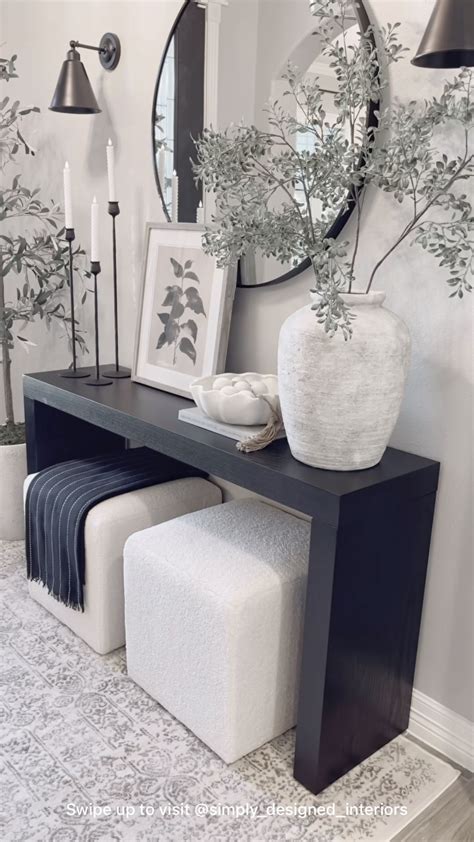
While often used interchangeably in casual conversation, console tables and sofa tables traditionally feature distinct architectural traits tailored to specific placements. A console table is structurally designed to anchor against a flat wall, frequently incorporating wall-mounting hardware or brackets for added safety. They tend to feature varied leg designs, decorative aprons, and storage compartments like drawers or lower shelves.
Sofa tables, conversely, are specifically engineered to sit flush against the low back of a living room sofa. Their primary design imperative is matching or sitting slightly below the height of the couch cushions while providing a stable surface for lighting, beverages, and decorative objects. Recognizing this distinction helps buyers select furniture that aligns with their exact spatial requirements without causing clearance issues.
Styling and Positioning Behind the Living Room Sofa
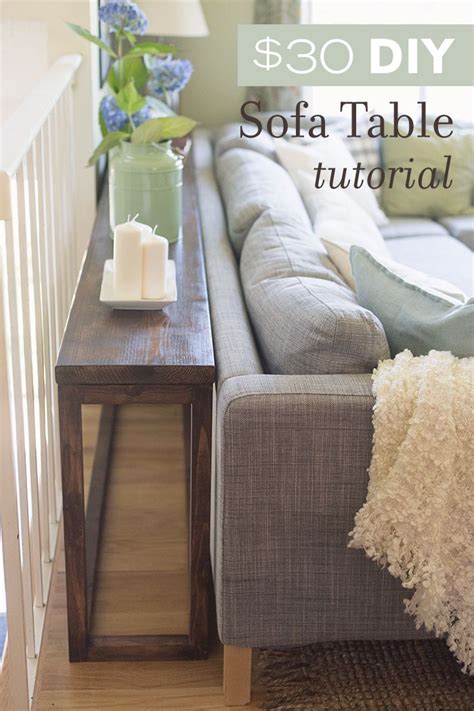
Placing a narrow table directly behind your living room sofa is one of the most effective ways to ground a floating seating arrangement in an open-concept floor plan. This arrangement defines the boundary between conversational zones and adjacent dining or traffic areas, eliminating the awkward floating-couch look often found in larger American living rooms.
When styling this surface, aim for a balanced composition that combines vertical height with horizontal grounding elements. A pair of matching slim lamps can provide essential ambient illumination, while a shallow tray holds everyday items like coasters and remotes. Leave adequate clearance between the back of the sofa and the table edge to ensure comfortable seating adjustments and prevent accidental tipping.
Transforming Narrow Entryways and Hallways
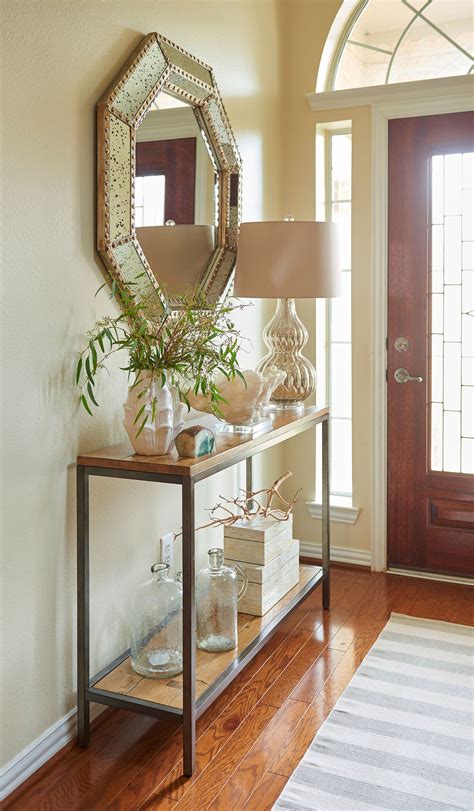
The entryway sets the tone for your entire home, yet it is frequently one of the most compact and challenging areas to furnish. A shallow console table provides a vital drop-zone for keys, mail, and daily essentials without obstructing narrow walking paths or blocking front doors from opening fully.
To maximize a tight foyer without overwhelming the visual field, pair a leggy, open-frame metal console with a wall-mounted mirror above it. This combination bounces natural light around dark hallways while keeping the floor plane visible, making the room feel significantly larger. Incorporating a small basket beneath the bottom shelf hides clutter while preserving clean interior sightlines.
Multi-Functional Designs: Desks, Media Units, and Beyond
Modern residential demands often require furniture to perform double duty, and versatile tables excel at adapting to non-traditional uses. A console table featuring a finished back and ample knee clearance can easily transition into a compact writing desk or a dedicated vanity station when paired with a tuck-away stool.
In media rooms or smaller dens, low-profile console tables frequently serve as alternative media consoles for streaming equipment and soundbars. Their open backs naturally accommodate power cords and ventilation requirements, making them a sleek, lightweight alternative to bulky traditional entertainment centers.
Frequently Asked Questions
What is the main difference between a console table and a sofa table?
Console tables are generally built to stand against a wall and may require wall anchoring for stability, whereas sofa tables are designed to match the height of a couch back and sit freely behind living room seating.
How high should a sofa table be relative to the couch?
A sofa table should ideally be equal to or slightly lower than the top of the sofa back. This maintains clean visual proportions and prevents items placed on the surface from awkwardly sticking up above the seating line.
Can a console table double as a workspace?
Yes, provided it offers adequate knee clearance underneath and sufficient surface depth to accommodate a laptop or writing materials comfortably without cluttering the room.
How do I anchor a console table safely in a home with children or pets?
Many console tables come with anti-tip hardware kits. Always secure tables directly to wall studs using manufacturer-recommended brackets, especially if the piece features drawers, tall lamps, or unstable decorative items.


