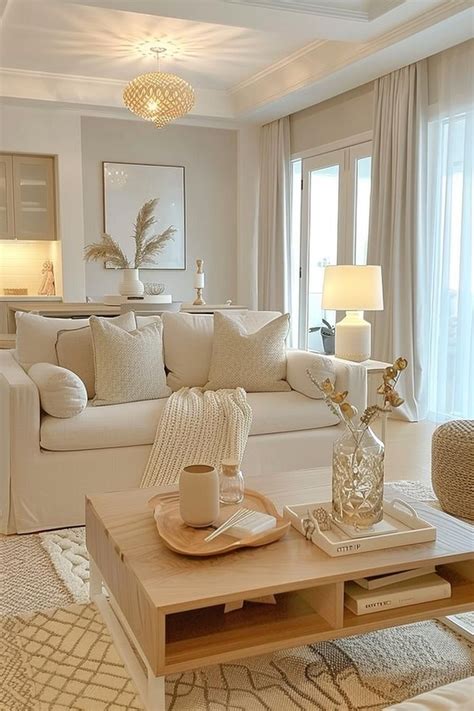
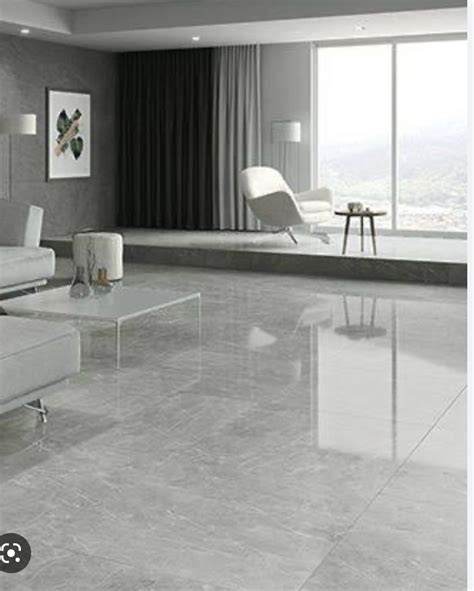
Designing a compact living room in a standard American apartment or suburban starter home often feels like a daily puzzle. Between awkward architectural angles, limited square footage, and the need to accommodate everyday relaxing, entertaining, and storage, every square inch counts. Fortunately, a small footprint does not mean compromising on style, comfort, or personality.
When approaching compact U.S. living spaces, the key is moving away from purely decorative choices and embracing intentional design strategies that manipulate light, scale, and function. Whether you are working with a narrow urban rental or a cozy suburban bungalow, exploring targeted design themes helps transform a cramped lounge into an open, inviting sanctuary. Here are five inspiring small lounge room designs specifically crafted to maximize your living space without requiring major structural renovations.
1. The Multi-Functional Minimalist Approach
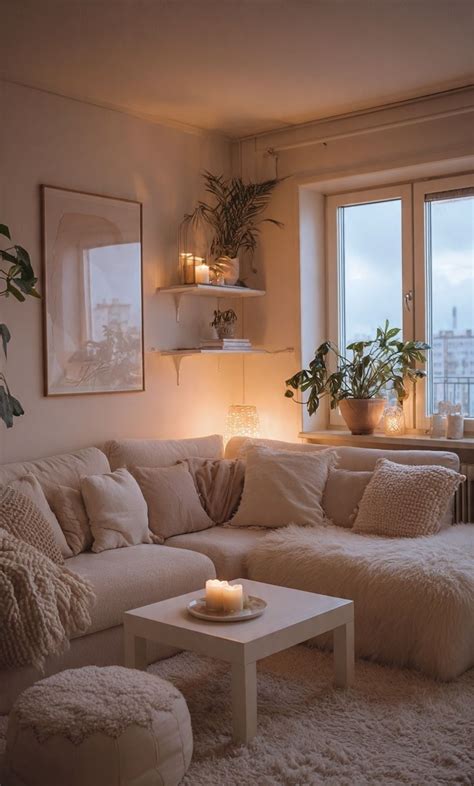
In a tight living room, every single piece of furniture must justify its footprint. The multi-functional minimalist approach prioritizes streamlined silhouettes and items that serve dual purposes, such as storage ottomans, nesting coffee tables, or sleek sleeper sofas that accommodate overnight guests without cluttering the room.
To execute this design successfully, pare down your furniture collection to the essential pieces you actually use daily. Instead of a bulky traditional coffee table, opt for a set of lightweight nesting tables that can be pulled apart when hosting friends and tucked neatly away when you need floor space. Keep the color palette cohesive and calm—think warm neutrals, soft grays, or subtle earth tones—to prevent the room from feeling visually chaotic.
2. Vertical Storytelling and Wall-Mounted Storage
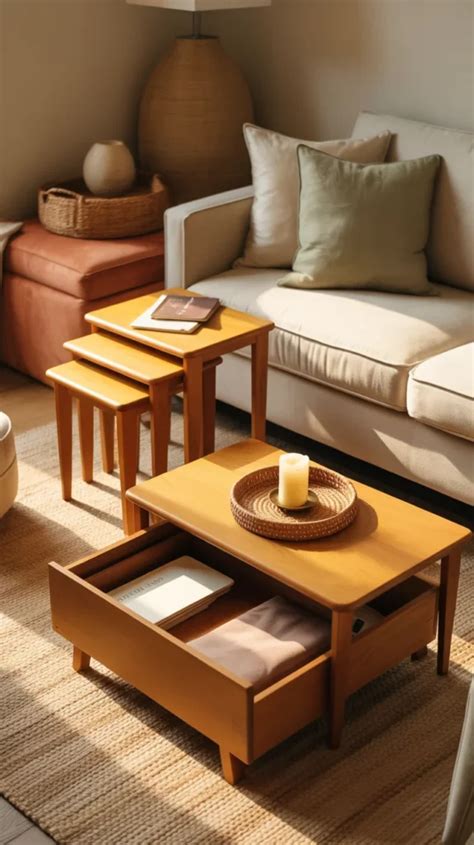
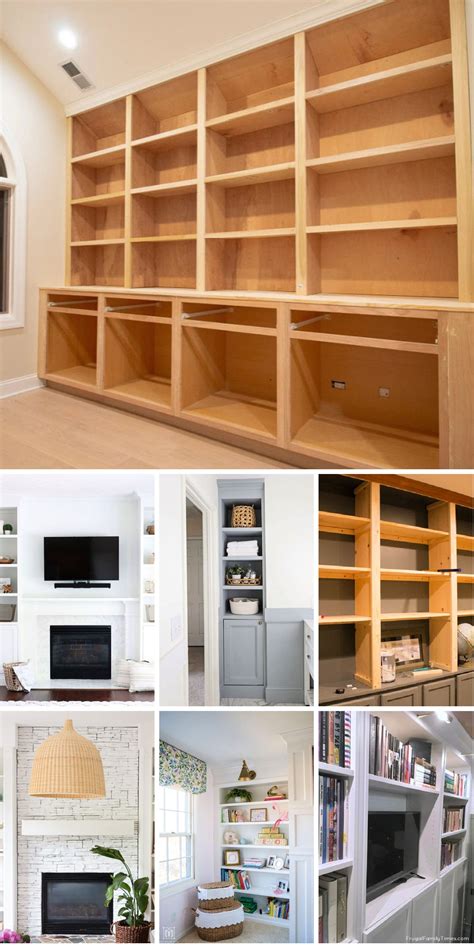
When floor space is restricted, the most valuable real estate in your lounge is the vertical wall space. Shifting storage and decorative elements upward draws the eye toward the ceiling, creating an immediate illusion of height and openness that makes standard-height U.S. ceilings feel much grander.
Install floating shelves, tall narrow bookcases, or wall-mounted media consoles rather than heavy floor-standing cabinets. This strategy clears the floor plane, allowing natural light to sweep unobstructed across the room and making routine vacuuming much easier. Use these elevated surfaces to display curated books, trailing plants, and meaningful artwork, keeping the overall composition balanced rather than overcrowded.
3. The Scandi-Boho Hybrid for Airy Warmth
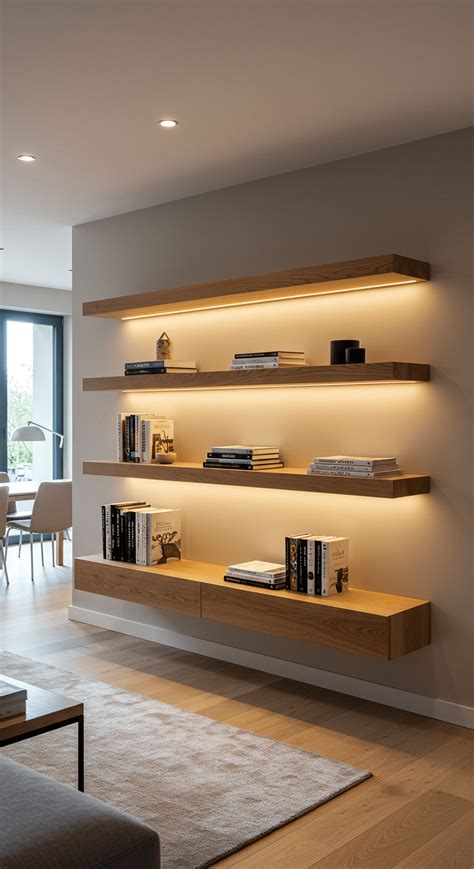
Combining the clean lines and functionality of Scandinavian design with the relaxed, organic textures of bohemian style creates an inviting atmosphere that feels both airy and grounded. This hybrid approach relies heavily on light wood tones, textured woven rugs, linen textiles, and plenty of living greenery to breathe life into small spaces.
In a compact lounge, choose seating with exposed wooden legs rather than heavy, skirted upholstery that sits directly on the floor. Allowing light to pass underneath sofas and armchairs visually lightens the room. Introduce warmth through layered textiles like a patterned flat-weave rug and tactile throw pillows, ensuring the space remains cozy and comfortable without feeling heavy or cluttered.
4. Strategic Zoning for Awkward Layouts
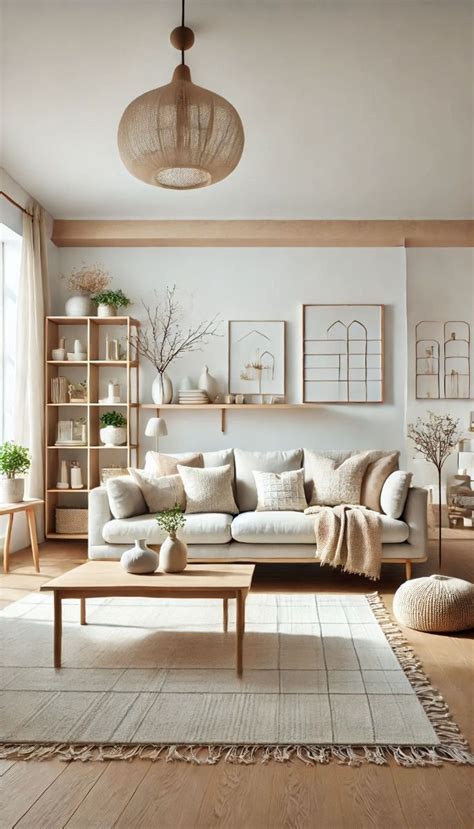
Many American living rooms feature challenging layouts, such as open-plan spaces where the lounge bleeds directly into the entryway or dining area, or narrow rectangular rooms with awkward traffic pathways. Strategic zoning uses subtle design cues to define the lounge space clearly without building physical walls.
Anchor your seating arrangement with a properly sized area rug that fits at least the front legs of your sofa and armchairs. Position your main seating to create a welcoming conversational circle, and use slim console tables or low-backed bookshelves behind the sofa to delineate the lounge zone from adjacent functional areas. This structured approach brings order and purpose to otherwise confusing floor plans.
5. Monochromatic Depth and Layered Lighting
A common misconception is that small rooms must be painted stark white to feel large. While light colors help reflect natural light, embracing a moody monochromatic palette or rich tonal layering can add sophisticated depth, making boundaries recede and creating a remarkably cozy evening atmosphere.
If you prefer a lighter palette, choose nuanced shades like warm alabaster, greige, or soft clay rather than stark optical white. To prevent a small room from feeling flat, incorporate layered lighting at different heights. Combine a subtle overhead fixture with ambient floor lamps, wall sconces, and task lighting on side tables to eliminate dark corners and cast a flattering, warm glow across the entire lounge.
Frequently Asked Questions
How can I make a small lounge room feel larger without remodeling?
You can visually expand a small lounge room by prioritizing low-profile furniture with exposed legs, hanging curtains closer to the ceiling to elongate the walls, using strategic mirrors to reflect light, and keeping clutter minimized on surfaces and floors.
What type of seating works best in a compact American living room?
Sectionals can sometimes overwhelm tiny spaces, so a well-proportioned standard sofa paired with lightweight accent chairs or modular ottomans is often ideal. Look for pieces with slim arms and elevated legs to maintain an open, airy sightline.
How do I arrange furniture in a narrow rectangular lounge?
Avoid pushing all your furniture against the perimeter walls, as this can make a narrow room feel like a bowling alley. Instead, pull seating slightly inward, use a rectangular rug to define the conversation zone, and keep one long wall completely clear for comfortable traffic flow.