When curated thoughtfully, living room console tables serve as much more than a mere surface for dropping keys or mail. Within a primary gathering space, a well-chosen console acts as a sophisticated anchor that bridges architectural empty space with purposeful interior design. Whether positioned flush against an accent wall or floating gracefully behind a low-profile sofa, these narrow furnishings offer an exceptional canvas to showcase personal style, introduce contrasting textures, and enhance the overall spatial rhythm of the room.
Achieving a cohesive look requires moving past standard retail displays to carefully evaluate how physical dimensions, material choices, and surface layering interact with your existing upholstery and lighting. By treating the console as an intentional design element rather than an afterthought, you transform a simple transitional furniture piece into a stunning focal point that elevates your entire home aesthetic.
Mastering Scale and Spatial Proportions in Your Layout
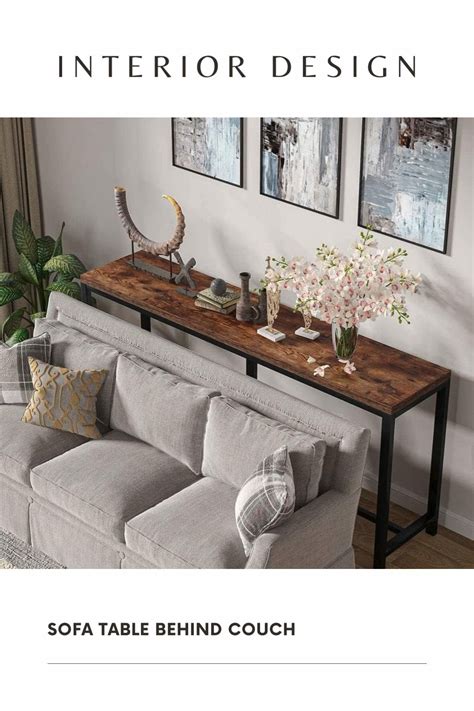
The success of any living room console table heavily depends on getting the scale right relative to its surroundings and the primary furniture pieces. When floating a console directly behind a sofa, a reliable rule of thumb is to select a table that sits slightly lower than or precisely flush with the top of the sofa back. If the table towers awkwardly over the cushions, it disrupts the visual flow of the room; conversely, a piece that is significantly lower can feel swallowed by heavy upholstery.
Depth is another critical measurement to keep in mind, particularly in open-concept living spaces where walking paths matter immensely. Traditional living room layouts generally benefit from a narrow console measuring between ten and fifteen inches in depth, ensuring ample clearance for foot traffic without sacrificing usable surface area. Always map out your floor space with painter’s tape before purchasing to visualize how doors, drawers, or nearby accent chairs will function alongside the new furniture piece.
Selecting Materials and Finishes to Define Your Room Aesthetic
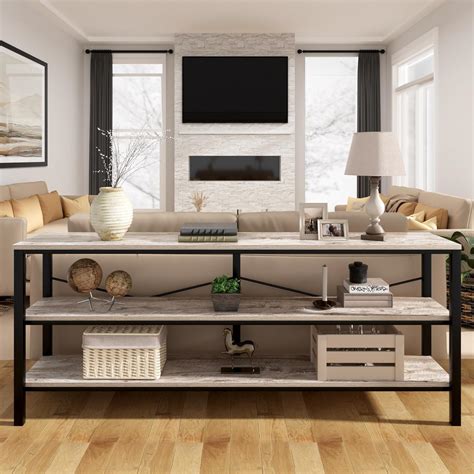
Material selection dictates how a console table interacts with light, color, and the existing architectural character of your living room. Warm natural woods like white oak, walnut, or reclaimed pine introduce organic texture and grounded earthiness, making them ideal companions for transitional, rustic, or Scandinavian aesthetics. These wooden surfaces add visual weight and warmth, balancing rooms dominated by cool neutral walls or sleek modern flooring.
For contemporary or minimalist spaces, glass, acrylic, and polished or matte metals create an airy, unobstructed feel. A slim iron frame paired with a tempered glass top allows light to pass right through, preventing smaller living rooms from feeling visually congested or cramped. When evaluating durability, consider your household dynamic carefully; families with young children or active pets often find textured wood or powder-coated metal far more forgiving against daily wear and tear than high-maintenance polished marble or fragile glass tops.
Creating Balanced Tabletop Vignettes and Decor Layers
Styling the surface of a console table is an exercise in composition, utilizing the classic interior design principle of balancing height, texture, and negative space. Begin by establishing vertical anchors at either end of the table, such as a sculptural table lamp on one side and a tall piece of framed art leaning against the wall on the other. This asymmetrical approach prevents the display from looking overly stiff or like a predictable furniture showroom exhibit.
Layering medium and low elements between these vertical anchors creates depth and visual interest across the entire length of the console. Stack two or three art books horizontally, place a heavy ceramic bowl on top to corral smaller decorative objects, and incorporate a living element like a trailing pothos plant or a seasonal floral arrangement. Leaving portions of the tabletop completely bare is equally important, as negative space allows the eye to rest and highlights the individual beauty of your chosen decor pieces.
Frequently Asked Questions
How do I choose the right console table for my living room layout?
Begin by measuring the available wall space or the length of your sofa back. For a balanced look behind a couch, look for a console that is roughly equal to or slightly shorter than the sofa length, leaving a few inches of breathing room on either end. Always ensure that the table depth leaves enough clearance for comfortable walking paths.
What are the best items to style on top of a living room console table?
Effective tabletop styling combines varying heights and textures. Excellent choices include a statement lamp for ambient lighting, leaning framed art or a mirror, stacked coffee table books, decorative bowls, and organic elements such as potted plants or dried botanical stems in a ceramic vase.
How can I anchor a console table safely in a home with children or pets?
Console tables, particularly narrow designs, can be prone to tipping if pulled on or bumped. Always secure the console to the wall using discreet furniture straps or L-brackets, especially if you place heavy items like large ceramic lamps or mirrors on top of the surface.


