When planning a home refresh, choosing a neutral foundation can completely transform the atmosphere of your living spaces. Gray tile remains a perennial favorite among interior designers and homeowners alike because it bridges the gap between stark modern minimalism and cozy traditional comfort. However, selecting and styling gray tile requires more than simply picking a shade off a showroom sample board. Because gray can shift dramatically depending on natural light and surrounding elements, understanding its undertones is the first step toward creating a cohesive, inviting interior.
Whether you are replacing worn-out kitchen flooring, upgrading a master bathroom, or establishing a durable entryway, gray tile offers incredible adaptability. By thoughtfully balancing cool and warm undertones and layering in tactile contrasts like natural wood and woven textiles, you can prevent gray surfaces from feeling sterile. This room-by-room guide explores practical ways to incorporate gray tile throughout your home while maintaining warmth, character, and enduring style.
Understanding Gray Undertones and Natural Light
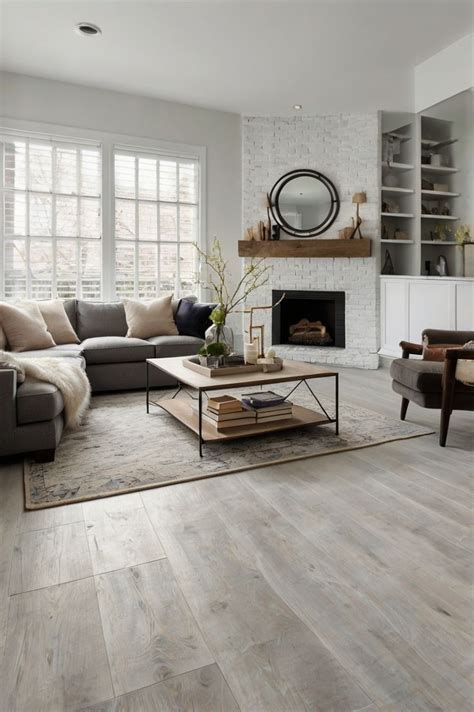
Before bringing physical samples into your home, it helps to recognize that gray is rarely a true neutral. Most gray tiles lean toward either a cool blue or green undertone, or a warm greige (gray-beige) tone. Cool grays tend to look crisp and contemporary, making them exceptional choices for south-facing rooms that receive intense, warm sunlight throughout the day. Conversely, warm grays harmonize beautifully with north-facing spaces that might otherwise feel chilly or dim, infusing the room with an inviting, grounded feeling.
Lighting plays a monumental role in how tile looks once installed. A gray porcelain or ceramic tile that looks perfectly neutral in a brightly lit showroom can take on an unexpected lavender or icy cast under standard LED bulbs at home. Always tape samples to your walls or lay them across your floors, observing how the color shifts from morning sunshine to evening lamplight before making a final commitment to a large-scale renovation project.
Kitchen Gray Tile Ideas for Backsplashes and Floors
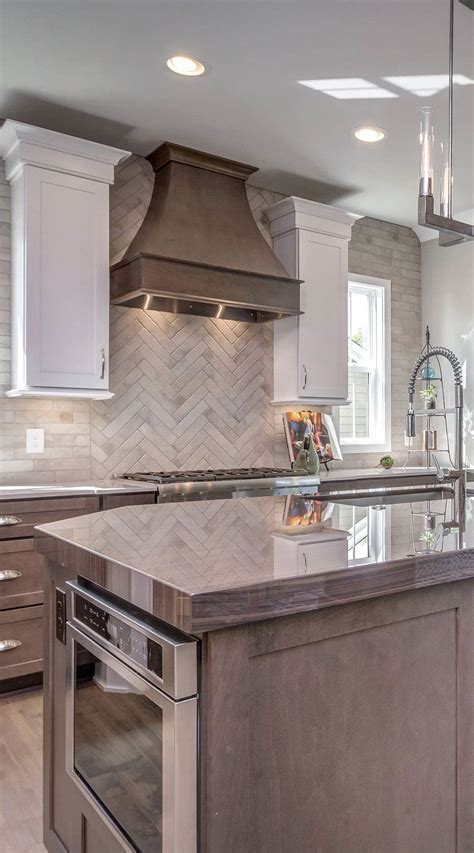
The kitchen is often considered the heart of the home, making it an ideal place to experiment with durable tile surfaces. A gray tile backsplash can anchor a busy kitchen, offering a sophisticated backdrop that ties together cabinetry, countertops, and hardware. Consider matte subway tiles in a soft dove gray laid in a herringbone pattern to add subtle movement and geometric interest without overwhelming the visual field.
For kitchen flooring, large-format gray porcelain tiles provide a seamless, easy-to-clean surface that withstands heavy foot traffic and dropped cookware. To keep a kitchen with gray floors from feeling too utilitarian, balance the hard surfaces with warm wood open shelving, butcher block countertops, or brass hardware. These warm accents soften the cool demeanor of gray tile and create a balanced, welcoming culinary workspace.
Creating a Spa-Like Bathroom with Gray Tile
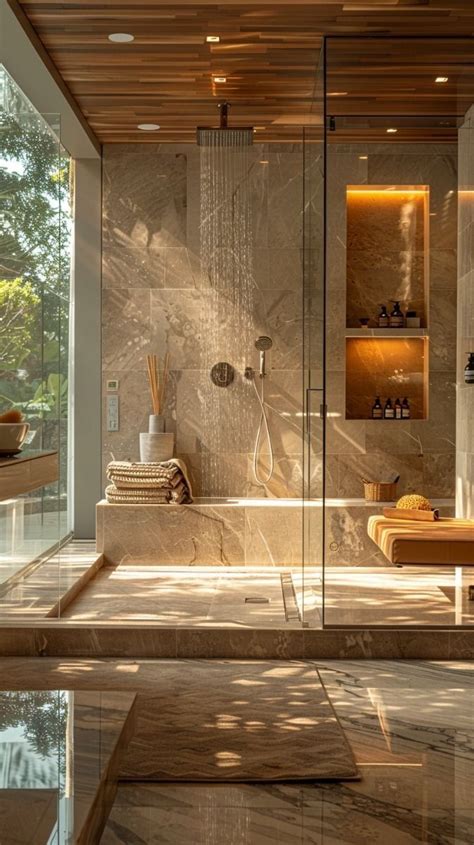
Bathrooms naturally lend themselves to tile installations, and gray provides a calming, spa-like foundation for a daily routine. Combining different finishes and shapes within the same gray color family adds depth and texture without relying on bright colors. For instance, you might use large polished gray tiles on the shower walls to reflect light, paired with a textured, slip-resistant matte gray penny tile on the shower floor for safety and tactile appeal.
When designing a bathroom with gray tile, consider incorporating organic elements like a teak wood vanity stool, fluffy white towels, and matte black or brushed nickel fixtures. These finishing touches elevate the space from a basic utility room into a private retreat. Pay close attention to grout color as well; a matching gray grout creates a continuous, expansive look, while a contrasting white grout highlights geometric patterns and tile shapes.
Living Areas and Entryways: Durable Gray Flooring
Extending tile into main living areas or entryways is a practical strategy for households dealing with pets, muddy boots, or high humidity. Wood-look gray ceramic planks offer the warmth of hardwood grain combined with the moisture resistance and durability of tile. These planks work exceptionally well in open-concept living rooms, providing a clean threshold that handles heavy furniture and daily activity effortlessly.
To ensure a tiled living room feels cozy rather than institutional, layer the floor with plush area rugs in rich textures like wool or jute. The juxtaposition of soft textiles against hard gray tile defines seating zones and adds acoustic warmth to the room. Pair your gray floors with warm neutral wall colors, earthy leather furniture, and plenty of green houseplants to complete a grounded, harmonious living environment.
Frequently Asked Questions
What shades of gray tile work best in different rooms?
Cooler, blue-based grays excel in sun-drenched kitchens and south-facing rooms because they balance bright natural light. Warm grays and greige tones work better in north-facing rooms, bathrooms, or entryways where you want to foster a cozy, welcoming atmosphere.
How do I keep a gray tile room from feeling too cold or sterile?
You can counteract the coolness of gray tile by layering in tactile, warm materials. Introduce natural wood accents, brass or gold hardware, woven jute rugs, and plush textiles to add depth and visual warmth to the space.
Is gray tile difficult to maintain in high-traffic areas?
Gray tile is remarkably low-maintenance, especially porcelain and ceramic varieties that resist stains and moisture. However, high-traffic entryways and kitchens benefit from darker grout lines to prevent visible discoloration over time.
What wall colors complement gray tile floors?
Soft whites, warm off-whites, creamy beiges, and muted earth tones like sage green or warm taupe pair beautifully with gray tile, creating a balanced and harmonious color palette throughout your home.


