Revamping a living room does not require a blank check or a total structural demolition. Often, the most striking transformations stem from deliberate adjustments to layout, lighting, and everyday textiles. Whether you are settling into a new apartment or looking to breathe fresh life into a long-held family home, a systematic approach prevents design fatigue and keeps your budget in check. By focusing on high-impact changes rather than collecting random decor items, you create a cohesive space that balances aesthetic sophistication with daily comfort.
Successful interior styling relies on sequence. Jumping straight to purchasing decorative objects before addressing furniture placement and functional lighting frequently leads to clutter rather than clarity. The following fourteen-step framework outlines a logical progression, helping you evaluate what you already own, identify missing design elements, and curate a welcoming, personalized environment tailored to your lifestyle.
Foundation and Layout
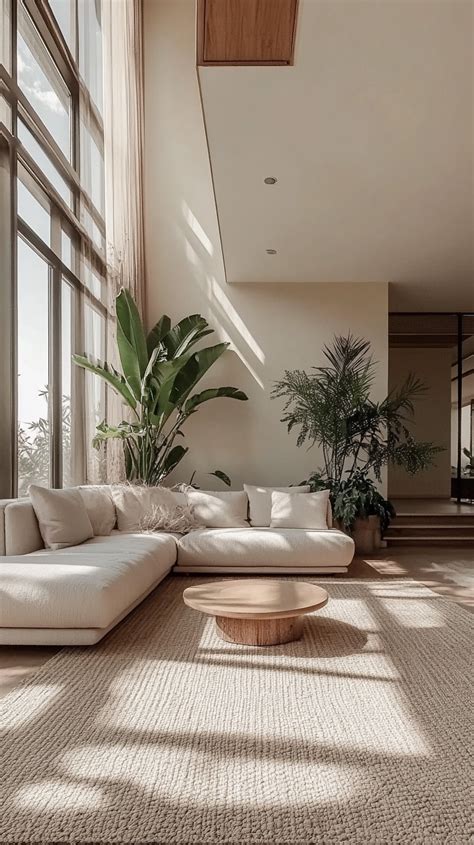
Before bringing any new items into your home, understanding your current floor plan is essential for establishing a balanced, functional living area.

Evaluating how you actually move and relax in the room prevents costly mistakes, such as purchasing oversized furniture that blocks natural walkways or hinders conversation flow.
1. Declutter and Clear Surfaces
Begin every room refresh by removing items that do not belong or no longer serve your daily routine. Clearing coffee tables, bookshelves, and media consoles lets you see the room’s true architectural potential. Be ruthless with stray electronics, old magazines, and miscellaneous knick-knacks.
Once surfaces are bare, selectively return only the items that bring you joy or provide genuine utility, leaving plenty of breathing room for the eye to rest.
2. Reassess Furniture Placement
Experimenting with alternative furniture configurations can completely alter the feeling of a room without spending a single dollar. Pull your sofa slightly away from the walls to create a more intimate, conversational seating arrangement rather than pushing everything to the perimeter.
Ensure that main pathways remain unobstructed and that every seat has a logical surface nearby for resting a beverage or a book during everyday use.
Lighting and Ambiance
Lighting is often called the jewelry of a room, yet overhead fixtures alone rarely create the warm, inviting atmosphere required for a comfortable living space.
3. Layer Your Lighting Sources
Relying on a single overhead ceiling light flattens a room and highlights imperfections. Introduce a balanced mix of ambient, task, and accent lighting by combining floor lamps, table lamps, and wall sconces at varying heights throughout the space.
Using warm-toned LED bulbs around 2700K instantly softens the atmosphere, making the room feel cozy, intimate, and welcoming during evening hours.
4. Upgrade Window Treatments
Heavy, outdated drapes can weigh down a living room and block precious natural daylight. Swap heavy fabrics for linen, cotton, or lightweight sheer panels that diffuse sunlight softly across the room.
Hang your curtain rods a few inches above the window frame and extend them slightly wider than the glass; this clever visual trick instantly makes your windows appear larger and your ceilings feel taller.
Textiles and Comfort
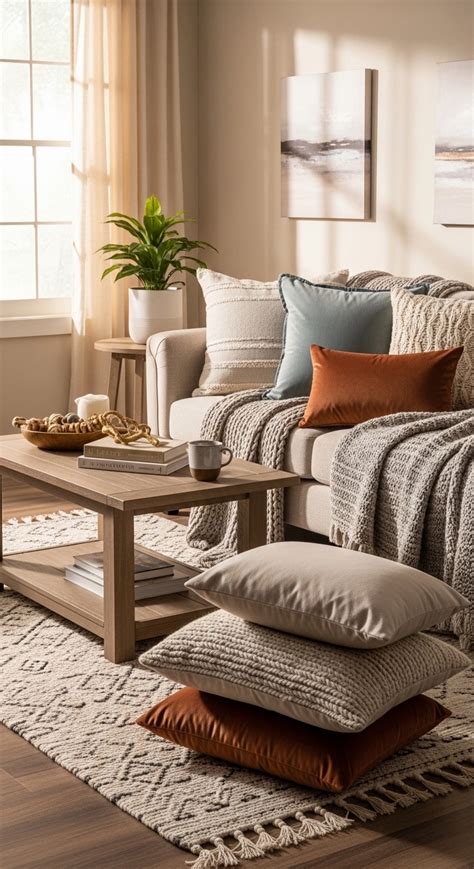
Soft furnishings introduce crucial layers of texture, color, and warmth, tying disparate furniture pieces together into a unified design statement.

Investing in quality foundational textiles elevates the tactile experience of the room while offering an easy way to experiment with seasonal color palettes.
5. Choose the Right Rug Size
One of the most common decorating mistakes is selecting an area rug that is too small for the space, which makes the room feel disjointed and cramped. Ensure at least the front legs of your major seating pieces rest comfortably on the rug to anchor the furniture grouping.
A properly sized rug defines the living zone, dampens ambient noise, and adds a soft layer underfoot that ties the entire room architecture together.
6. Curate Pillows and Throws
Incorporate a thoughtful mix of textiles—such as textured linen, chunky wool, velvet, and woven cotton—through throw pillows and blankets. Varying tactile surfaces prevents a neutral sofa from looking flat or sterile.
Stick to a cohesive color palette of three to four complementary tones, and mix pattern scales (like pairing a subtle stripe with a solid velvet) to maintain visual interest without creating chaos.
Surfaces and Styling
Styling shelves, media consoles, and coffee tables provides an opportunity to showcase personal interests while maintaining clean, organized sightlines.
7. Style Coffee Tables with Intention
Avoid cluttering your coffee table with random knick-knacks by grouping items using the rule of three and varying heights. Combine a stack of art books, a decorative tray for loose items, and a small sculptural object or candle.
Leave enough clear surface area so the table remains functional for everyday use, such as resting cups or board games.
8. Edit Bookshelves and Display Units
Bookshelves should tell a story rather than act as passive storage for every book you have ever owned. Mix vertical book stacks with horizontal piles, and intersperse books with meaningful travel mementos, framed photographs, and ceramics.
Give objects breathing room by leaving some shelves partially empty, preventing the display from feeling heavy and overwhelming.
Art and Architectural Details
Blank walls offer a canvas to express your personal aesthetic and add structural interest to plain drywall.
9. Hang Art at Eye Level
Artwork is frequently hung far too high on living room walls, disconnecting it from the furniture below. Center your primary art pieces roughly 57 to 60 inches from the floor, or slightly above the back height of your sofa.
If you are creating a gallery wall, lay the frames out on the floor first to test your composition before putting a single nail into the wall.
10. Introduce Mirrors to Bounce Light
Strategic placement of a large mirror opposite a window multiplies natural light and makes compact living rooms feel significantly more expansive. Choose a frame style—such as brushed brass, black iron, or carved wood—that complements your existing hardware finishes.
Consider scale carefully; an undersized mirror on a massive wall can look accidental rather than purposeful.
Nature and Finishing Touches
Organic elements ground a living room, adding life, color, and a sense of calm that synthetic materials simply cannot replicate.
11. Incorporate Greenery and Florals
Plants infuse vitality into any interior space while improving indoor air quality. Incorporate a mix of statement floor plants, such as a fiddle-leaf fig or snake plant, alongside smaller potted succulents or trailing vines on bookshelves.
If maintaining live plants proves challenging, high-quality botanical stems in a ceramic vase offer an effortless, zero-maintenance alternative.
12. Update Hardware and Accents
Small details like cabinet knobs on media consoles, floor vent covers, and switch plates can make a surprising difference when updated. Swap mismatched or dated hardware for cohesive finishes like matte black, polished nickel, or aged brass.
These subtle hardware upgrades unify the room’s design language, signaling attention to detail and high-end craftsmanship.
13. Incorporate Personal Storytelling
A house truly becomes a home when it reflects the experiences and personality of its inhabitants. Display framed personal photography, heirloom items, or handmade crafts collected from travels rather than relying solely on generic big-box store decor.
Balance personal artifacts with clean design principles so your meaningful treasures look intentionally curated rather than cluttered.
14. Maintain Seasonal Editing Habits
A finished room is never truly static; your living space should evolve with your lifestyle and the changing seasons. Swap heavy wool throws for lightweight cotton in the spring, and transition dark decorative accents for bright, airy tones as the year progresses.
Regular editing ensures your living room remains a comfortable, inspiring sanctuary that adapts effortlessly to your changing needs.
Frequently Asked Questions
How can I revamp my living room on a budget?
Revamping your living room on a budget relies on high-impact, low-cost strategies like decluttering, rearranging existing furniture, updating pillow covers, and layering secondary lighting sources. By focusing on organization and styling rather than buying brand-new furniture, you can achieve a dramatic transformation affordably.
What are the best quick fixes to make my living room look more expensive?
To make a living room feel high-end instantly, hang your window curtain rods higher and wider than the frame, upgrade your light bulbs to a warm 2700K temperature, ensure your area rug is large enough to anchor your seating group, and style coffee tables using curated trays and books.
How do I choose the right rug size for my living room?
The golden rule for living room rugs is to ensure at least the front legs of your sofa and armchairs rest comfortably on the rug surface. Avoid choosing a small floating rug that sits isolated in the center of the floor, as this visually shrinks the room.
Where should I start when refreshing a living room?
Always start your living room refresh with a thorough decluttering session and a deep clean. Clearing surfaces and removing items you no longer need allows you to assess the room’s true layout, lighting needs, and architectural potential with a clear mind.


