Decorating an apartment living room comes with a unique set of spatial puzzles. Whether you are working with a tight footprint, awkward structural pillars, or strict rental lease agreements that forbid drilling into walls, finding the right design balance requires thoughtful planning. The goal is to curate a space that feels expansive, functional, and deeply personal without overwhelming the room. By focusing on flexible furniture, clever zoning, and reversible aesthetic upgrades, you can transform a standard apartment box into a stylish urban retreat.
Both renters and homeowners often struggle with balancing aesthetic desires against real-world square footage limitations. Fortunately, modern apartment design relies on clever adaptations rather than structural overhauls. This guide explores 15 versatile living room strategies designed to elevate your space, improve daily functionality, and respect your budget and lease constraints.
1. Anchor the Room with Strategic Rug Layering
In an open-concept apartment, defining separate zones without building physical walls is essential for visual harmony. Rug layering provides an effective method to anchor your seating arrangement and introduce rich texture. Start with a large, neutral jute or low-pile synthetic rug that spans the majority of the living area to establish a solid foundation.
Layer a smaller, patterned vintage or plush wool rug directly on top beneath the coffee table and front legs of your seating. This technique instantly warms up sterile rental flooring and creates a cohesive focal point. Renters benefit immensely from this approach because it covers dated or uninspired wall-to-wall carpeting without causing any permanent alterations.
2. Choose Multi-Functional Furniture for Maximum Utility
Every square inch counts in an apartment living room, making multi-functional furniture a practical necessity rather than an optional luxury. Look for coffee tables with hidden storage compartments, lift tops that double as temporary laptop desks, or ottomans that open up to stow away extra throw blankets and board games.
Sleeper sofas or modular sectional designs with reversible chaise configurations also offer incredible versatility. When your spatial layout changes or you decide to move to a new apartment next year, modular pieces adapt easily to new dimensions. Prioritize furniture items that serve at least two distinct purposes to keep clutter completely out of sight.
3. Utilize Vertical Space with Floating and Leaning Shelves
When floor space is restricted, the natural inclination is to look upward. Vertical storage solutions draw the eye toward the ceiling, creating an illusion of height while keeping everyday clutter off your main walking paths. For homeowners, traditional wall-mounted shelving secured with heavy-duty anchors offers a permanent and sturdy display area for books and art.
Renters can achieve a similar effect by using leaning ladder shelves that require minimal or no wall fastening, or heavy-duty tension rod shelving systems. Style these vertical surfaces with a balanced mix of books, trailing green plants, and personal ceramics to add character and visual weight to bare drywall.
4. Create Ambiance Through Layered Lighting Schemes
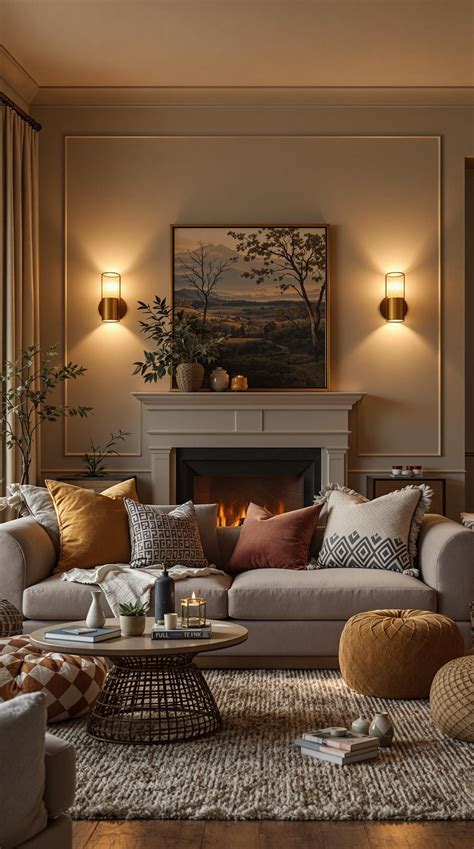
Standard overhead apartment lighting often feels harsh, flat, and uninspired. Transforming the mood of your living room relies heavily on introducing a layered lighting scheme at different heights. Combine floor lamps, dimmable table lamps, and stylish wall sconces to create pools of warm illumination throughout the space.
For renters unable to hardwire new light fixtures into the ceiling, plug-in wall sconces equipped with warm LED bulbs or rechargeable puck lights offer a clever workaround. Positioning lamps in dark corners expands the perceived boundary of the room, making a compact apartment living room feel significantly larger and more inviting during evening hours.
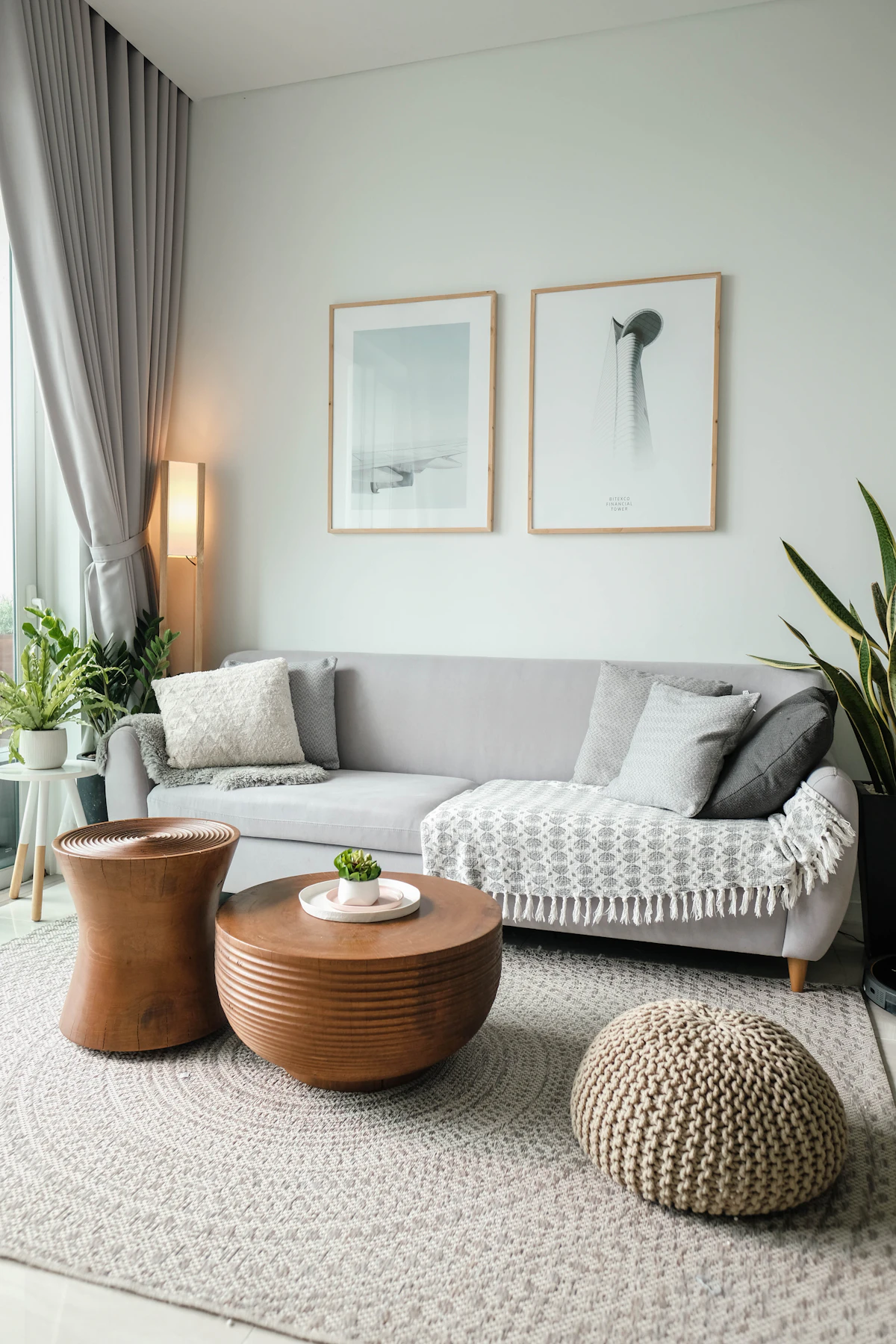
Layering light sources also helps carve out functional zones within a multipurpose room. A dedicated reading nook benefits from a focused task lamp, while the main conversation area thrives on soft, diffused ambient light. Experimenting with different color temperatures ensures your living room transitions smoothly from bright daytime productivity to cozy nighttime relaxation.
5. Embrace Renter-Friendly Wall Treatments
Bare white walls are a common hallmark of apartment living, but they do not have to feel boring or sterile. If your lease prohibits painting, you can still infuse personality and color into your living room using removable peel-and-stick wallpaper or large-scale textile hangings.
Hanging a vibrant woven tapestry or a gallery wall supported by heavy-duty adhesive strips brings warmth and acoustic dampening to the room. Homeowners have the freedom to experiment with moody accent walls, board-and-batten paneling, or dramatic Venetian plaster finishes to create a bespoke focal point behind the sofa.
6. Keep the Sightlines Open with Low-Profile Seating
Furniture scale dictates how large or cramped a room feels. Bulky, high-backed traditional sofas can completely block natural light and cut off sightlines across an apartment floor plan. Opting for low-profile sofas and armchairs with exposed wooden legs keeps the visual weight light and airy.
When light flows unobstructed underneath and around your furniture, the entire living room feels more expansive. This strategy is especially powerful in studio apartments or smaller urban flats where every window view matters for maintaining an open, breathable atmosphere.
7. Introduce Mirrors to Amplify Natural Light
Strategic mirror placement is an interior designer’s favorite trick for multiplying natural light and visually doubling the square footage of a compact room. Hang a large arched or rectangular mirror directly opposite your primary living room window to bounce sunlight into darker corners.
If drilling holes for heavy hanging hardware is restricted, lean a tall floor-length mirror against the wall. This casual placement style feels modern and effortless while instantly transforming the proportions and brightness of a narrow or window-challenged apartment layout.
8. Curate a Cohesive Color Palette to Reduce Visual Clutter
In smaller living spaces, a chaotic mix of competing colors can quickly make a room feel smaller and more stressful than it actually is. Establishing a cohesive color palette consisting of calm neutrals punctuated by two or three intentional accent colors brings instant visual order.
Use textiles, throw pillows, and decorative objects to introduce your accent hues. This allows you to easily switch out seasonal color stories without purchasing new core furniture pieces. Renters can tie their color scheme together by matching temporary accessories to existing permanent elements like carpet or kitchen cabinetry.
9. Incorporate Flexible Surface Areas with Nesting Tables
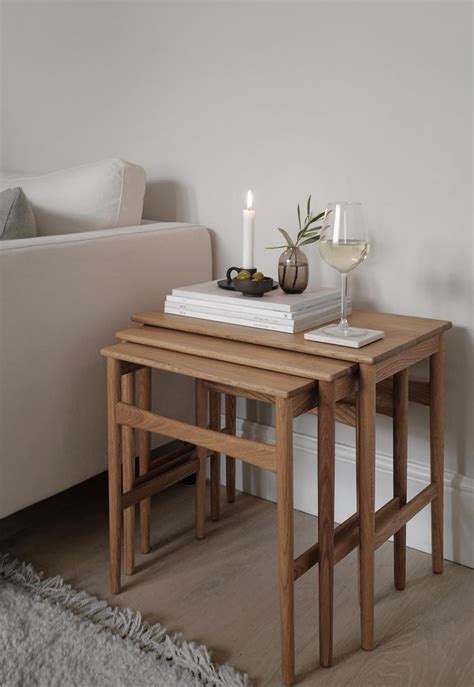
Traditional bulky coffee tables can easily dominate a small apartment living room and restrict movement. Nesting tables offer a brilliant, adaptable alternative that expands when you need extra surface area for drinks or laptops and tucks neatly away when floor space is required.
Spread them across the room during gatherings to give guests convenient spots to place beverages, or stack them together in a corner to clear the center of the room. Their lightweight construction makes them easy to rearrange whenever your living room layout needs a quick refresh.

When selecting nesting tables, look for materials that complement your existing decor style, such as warm wood grains, sleek brushed brass, or minimalist glass tops. Mixing materials adds tactile depth to the room while keeping the furniture footprint visually light and uncluttered.
10. Soften Hard Edges with Curvilinear Silhouettes
Apartments are typically defined by strict right angles, straight drywall corners, and boxy proportions. Introducing organic, curved shapes through furniture and decor helps counteract this rigid architecture and creates a softer, more welcoming flow.
Consider incorporating a round coffee table, an arched floor lamp, or an armchair with gently rounded bucket seating. These curved silhouettes break up the monotony of straight lines and make navigating around tight living room layouts much smoother and visually engaging.
Curvilinear furniture pieces also encourage natural conversation flow by eliminating sharp corners that can make tight spaces feel restrictive. Pairing a curved sofa with a round rug instantly creates an intimate pocket of comfort within an open-concept layout, balancing modern architectural stiffness with organic ease.
11. Maximize Hidden Storage Beneath Seating and Consoles
Effective clutter management is the backbone of successful apartment living. Look for media consoles with closed cabinet doors rather than open shelving to keep electronics, cords, and miscellaneous items out of sight. Closed storage maintains a clean, edited aesthetic that makes compact rooms feel tranquil.
Similarly, storage benches positioned against a wall or beneath a window provide double-duty service. They offer comfortable casual seating while concealing seasonal items, extra pillows, or winter gear, ensuring your main living space remains orderly and serene year-round.
12. Hang Curtains High and Wide to Fake Larger Windows
Windows are focal points in any living room, but apartment windows are often modest in scale. You can dramatically alter the perceived proportions of your windows by hanging curtain rods several inches above the window frame and extending them wider on each side.
Selecting floor-length drapery panels draws the eye upward and outward, giving the illusion of expansive, soaring windows and flooding the room with framed natural light. Both renters and homeowners can utilize renter-friendly tension rods or minimal bracket mounts to achieve this high-end architectural look.
13. Incorporate Greenery to Bring Life and Texture
Adding living plants is one of the fastest and most cost-effective ways to inject vitality, color, and organic texture into an apartment living room. Plants soften sharp architectural lines and help purify indoor air, making urban living spaces feel grounded and connected to nature.
If your apartment lacks ample natural sunlight, opt for resilient low-light varieties like snake plants, ZZ plants, or pothos. For homeowners and renters alike, utilizing plant stands of varying heights or hanging planters from ceiling hooks creates dynamic vertical layers of lush greenery.
14. Curate a Personal Gallery Wall with Command Strips
Blank apartment walls present an opportunity to curate a meaningful gallery wall that showcases your personal aesthetic. Mixing framed art prints, family photography, and lightweight sculptural objects adds personality and narrative to the room.
Renters can easily design and execute an impressive gallery wall using heavy-duty adhesive picture hangers that leave zero damage behind upon move-out. Lay your composition out on the floor first to test the arrangement before committing the pieces to the wall for a polished, professional look.
15. Define Zones in Open-Concept Layouts with Furniture Placement
Open-concept apartments require thoughtful furniture placement to establish distinct functional zones for lounging, dining, and working. Instead of pushing all your seating directly against the perimeter walls, float your sofa in the center of the room with its back facing the entryway or dining zone.
Position a slim console table directly behind the floating sofa to create a subtle boundary and a convenient drop zone for keys and mail. This purposeful layout anchors the living area, improves traffic flow, and turns an ambiguous open floor plan into a structured, highly functional home.
Frequently Asked Questions
How can I decorate my apartment living room if I am not allowed to drill holes?
You can easily decorate without drilling by utilizing heavy-duty adhesive strips for lightweight frames, leaning floor mirrors and ladder shelves against walls, using tension rods for curtains, and relying on peel-and-stick wallpaper or vinyl decals for temporary color and pattern.
What are the best furniture choices for a small apartment living room?
Look for multi-functional and scaled-down pieces, such as storage ottomans, nesting coffee tables, low-profile sofas with exposed legs, and modular sectionals. These items maintain open sightlines and maximize utility without overcrowding the floor plan.
How do I zone an open-concept apartment living room?
Zoning can be achieved by floating your main seating group away from the walls, using layered area rugs to ground the conversation space, positioning a console table behind the sofa, and utilizing targeted lighting schemes to define distinct functional areas.


