Blank walls present both a design challenge and an opportunity to express personal style. Rather than relying on mass-produced furniture or standard flat-pack brackets, incorporating artistic DIY shelving allows you to turn everyday storage into a striking visual feature. Across American homes and apartments, homeowners and renters alike are turning to handmade wall storage to maximize square footage while infusing their rooms with personality, warmth, and architectural character.
Creating your own display units requires a balance between aesthetic appeal and reliable structural integrity. Whether you are dealing with standard drywall backed by wooden studs in a suburban house or plaster walls in an older urban apartment, understanding how to anchor your materials safely is essential. This guide explores innovative shelving concepts, practical material choices, and proven styling formulas to help you transform empty wall space into a curated gallery.
Rustic and Reclaimed Wood Shelves with Industrial Accents
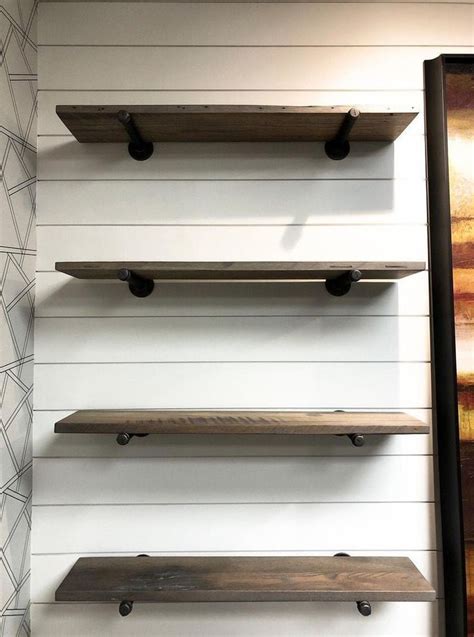
Reclaimed timber brings an undeniable sense of history and warmth into modern living spaces. Sourcing old scaffolding planks, weathered barn wood, or fallen lumber allows you to craft thick, character-rich shelves that anchor a room. Paired with matte black iron brackets or industrial gas pipes, these installations merge rustic warmth with urban loft aesthetics.

When building with rough-sawn lumber, thorough sanding is the crucial first step. You want to preserve the natural grain and knots while eliminating splinters, making the surface safe for handling books and ceramics. Finishing the wood with a natural matte beeswax or low-VOC polyurethane protects against moisture and daily wear without giving the surface an artificial plastic sheen. Ensure your brackets are screwed directly into wall studs whenever possible, as reclaimed wood pieces can be surprisingly heavy before you even add decorative objects.
Styling Industrial and Rustic Timber Displays
Balancing heavy wood tones requires careful curation of the items placed upon them. Combine vertical hardcover books with trailing house plants, such as pothos or philodendrons, to soften the hard lines of the metal brackets. Leave breathing room between objects so the texture of the weathered timber remains visible.
For urban apartments where drilling into brick or lathe-and-plaster requires specialized masonry anchors, smaller single-plank shelves mounted with heavy-duty toggle bolts provide a secure alternative without overwhelming the room’s proportions.
Geometric and Asymmetrical Wall Units
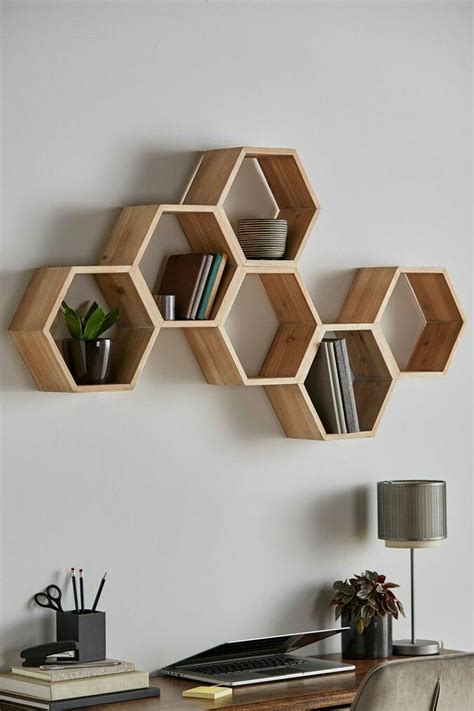
Moving away from traditional horizontal rows opens up endless possibilities for modern interior design. Geometric shelving units—incorporating hexagons, triangles, or staggered floating boxes—act as functional wall sculptures. These configurations draw the eye upward and create dynamic focal points in living rooms, home offices, or above a bedroom headboard.

Constructing geometric units from scratch requires patience with miter cuts and wood glue. Using lightweight plywood or MDF keeps the overall weight manageable, making installation significantly easier on standard drywall. Painting the interior backing of box shelves in a contrasting accent color creates an instant sense of depth, allowing small decorative objects or framed photographs to pop against the neutral wall background.
Planning Your Asymmetrical Layout
Before driving a single nail into your wall, arrange your geometric pieces on the floor to experiment with different scales and spacing. Aim for visual weight distribution rather than rigid symmetry. If you place a heavier cluster of shelves on the left, balance the composition on the right with a single standout object or a piece of framed art.
Keep in mind that intricate honeycomb or multi-compartment shelves are best suited for smaller items like crystals, miniature planters, or small sculptures rather than heavy encyclopedia sets.
Renter-Friendly and Damage-Free Display Ledges
Renters often face strict lease restrictions regarding holes in drywall, which can limit traditional shelving projects. Fortunately, lightweight display ledges and tension-based systems offer creative workarounds. Shallow picture ledges mounted with heavy-duty adhesive strips or minimal pin-nail anchors allow you to curate rotating displays of art prints, lightweight ceramics, and small keepsakes without triggering security deposit deductions.
Another clever renter-friendly approach involves utilizing vertical leaning ladders. By resting a wooden leaning shelf against the wall and securing it safely with a discreet top strap, you eliminate the need for extensive wall anchoring entirely. This gives you multiple tiers of display space that can easily move with you when your lease ends.
Selecting Lightweight Decor for Temporary Walls
When working with renter-friendly hardware, weight management is your highest priority. Stick to hollow ceramic vases, lightweight wooden frames, and paperback books. Avoid overloading adhesive-backed ledges to ensure your displays remain secure throughout the seasons.
Layering items on a shallow ledge—leaning smaller frames in front of larger ones—adds depth and visual interest without requiring extra shelf depth that might jut uncomfortably into narrow hallway spaces.
Upcycled and Repurposed Household Shelving
Sustainable design often starts with looking at everyday objects through a fresh creative lens. Vintage wooden drawers turned upside down and mounted to the wall create instant shadow boxes with built-in character. Similarly, weathered wooden crates, vintage skateboards, or even stacked leather belts used as support slings can be transformed into quirky, conversation-starting storage solutions.
When repurposing vintage items, inspect the structural integrity of the piece before mounting it. Old furniture drawers may need reinforced bottom panels if you intend to store heavier items. Clean every surface thoroughly, treat old wood for pests if necessary, and apply a protective finish to match your room’s existing color palette.
Creative Placement for Repurposed Pieces
Upcycled shelves shine brightest in eclectic or bohemian interiors where personality takes precedence over uniformity. Hang a trio of mismatched wooden drawers vertically in a bathroom for rolled hand towels and toiletries, or use a single painted crate as a bedside nightstand alternative in a compact guest room.
Embracing imperfections such as old paint drips, minor scratches, or faded labels adds authentic charm that brand-new store-bought shelving simply cannot replicate.
Frequently Asked Questions
What is the safest way to hang heavy DIY shelves on U.S. drywall?
Always locate wall studs using an electronic stud finder for primary anchor points. If your shelf placement does not align with studs, use rated toggle bolts or heavy-duty drywall anchors specifically weight-tested for the load you plan to support.
How do I style open shelving without making it look cluttered?
Apply the rule of thirds and create varied groupings by mixing heights and textures. Combine books, vertical elements like tall vases, and organic items such as trailing plants. Leave plenty of negative space so the wall behind the shelves remains visible.
Are floating shelves secure enough for heavy books?
Floating shelves can easily support heavy books provided they utilize a robust internal metal bracket system securely screwed into at least two wall studs. Avoid relying solely on plastic drywall anchors for heavy book collections.
What is the best wood for beginner DIY shelf builders?
Pine and common whitewood boards are affordable, widely available at local home improvement centers in the U.S., and very easy to cut, sand, and stain for beginner projects.


