Grey tiles have long been favored in modern home design for their understated sophistication and incredible versatility. However, homeowners often worry that tiling a main living space might render the room feeling sterile, clinical, or overly cold. Achieving a contemporary charm with grey tile flooring is entirely about balance. When you deliberately offset the sleekness of stone or porcelain with rich textiles, organic materials, and layered lighting, you transform a potentially chilly surface into a sophisticated foundation for comfortable, everyday living.
Understanding how to harmonize your finishes, color palettes, and soft furnishings is the key to creating a welcoming atmosphere. Whether you are planning a complete flooring overhaul or styling an existing open-concept room, thoughtful design choices will ensure your grey tile living room feels grounded, luxurious, and deeply inviting.
Selecting the Right Shade and Finish for Your Space
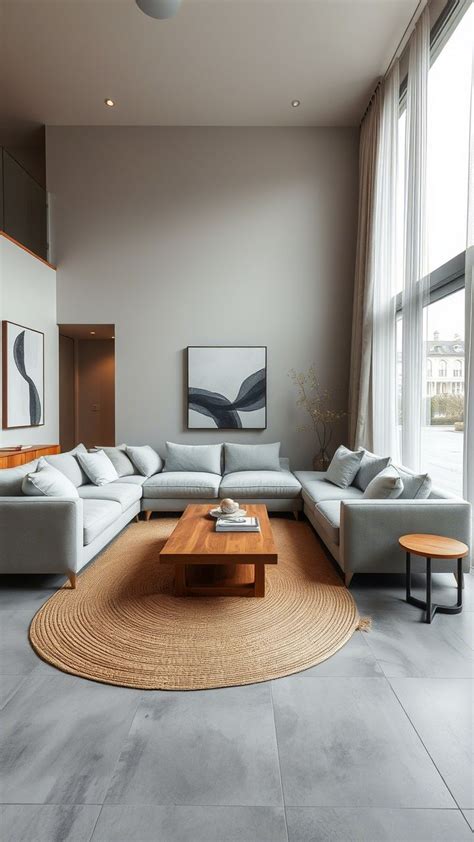
The journey to a well-styled grey tile living room begins with selecting the correct tone and surface finish. Light grey tiles reflect abundant natural light, making compact urban apartments or north-facing living rooms feel considerably more open and airy. Conversely, charcoal or slate-grey tiles create a dramatic, moody backdrop that anchors large, light-filled spaces with architectural gravitas and a sense of cozy intimacy.
Beyond color, surface finish dictates both the safety and aesthetic mood of the room. High-gloss polished porcelain tiles offer undeniable luxury and reflect illumination beautifully, but they can show footprints easily and become slick when wet. Matte or textured stone-look porcelain tiles, on the other hand, provide a subtle, tactile finish that mimics natural limestone or concrete while offering better slip resistance for high-traffic family zones.
When evaluating tile finishes, consider your household dynamic and lifestyle needs. Homes with active children or pets benefit immensely from textured matte surfaces that conceal minor dust and provide secure footing during play. Pairing these durable floors with intentional layout planning ensures the space remains functional without sacrificing contemporary elegance.
Injecting Warmth Through Textiles and Layering
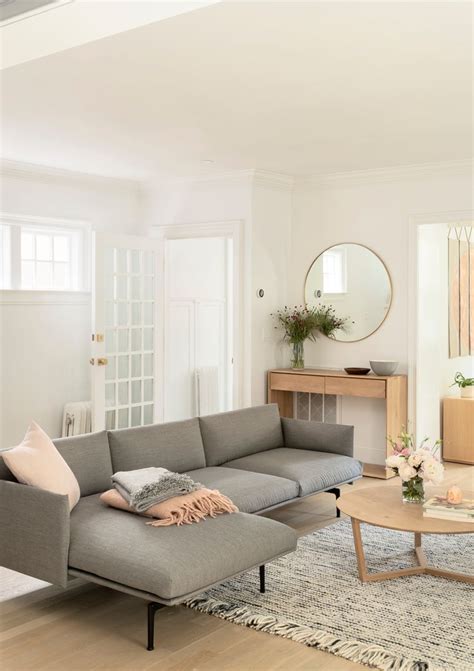
To counteract the inherent coolness of grey tiles, layering plush textiles throughout the living room is essential. Hard flooring surfaces bounce sound and visual weight downward, which can make a room feel unanchored if soft elements are missing. Introduce a generously sized, thick-pile area rug—such as a hand-knotted wool rug in cream, oatmeal, or a subtle geometric pattern—to immediately soften the floor plane and define your primary seating layout.
Beyond the floor covering, focus on tactile variety in your upholstery and window treatments. Combine sleek leather sofas with boucle accent chairs, linen throw pillows, and chunky knit blankets. This deliberate contrast between smooth, cool floor tiles and soft, organic fabrics tricks the eye, ensuring the room feels cozy and tactile rather than austere and unwelcoming.
Furniture and Color Palettes That Complement Grey Floors
Grey is an exceptional neutral that acts as a chameleon, adapting easily to warm or cool design trajectories. To cultivate a contemporary charm, pair grey flooring with warm wood furniture elements like white oak, walnut, or teak. The natural grain and golden undertones of wood instantly cut through the chill of grey tiles, infusing the room with organic warmth and visual depth.
When selecting your broader color palette, lean into a harmonious blend of warm neutrals and muted earthy tones. Terracotta, brass accents, muted olive greens, and soft sand colors contrast beautifully against grey tiles. Avoid pairing cool grey floors with stark, sterile white walls and chrome furniture exclusively, as this combination quickly tilts the room into an unlivable, industrial showroom aesthetic.
Frequently Asked Questions
How do I keep a grey tile living room from looking too cold?
The most effective way to warm up a grey tile space is through layering different textures and warm-toned materials. Introduce thick wool or jute area rugs, organic wooden furniture elements, plush upholstery like boucle or velvet, and warm ambient lighting. Incorporating brass hardware, leather accents, and earthy wall colors also neutralizes any clinical feel.
Are glossy or matte grey tiles better for a living room?
Matte and textured stone-look tiles are generally preferred for living rooms. They offer superior slip resistance, feel more grounded, and are much better at concealing everyday dust, footprints, and pet hair compared to high-gloss polished tiles, which require constant maintenance to look pristine.
What furniture colors go best with grey living room tiles?
Grey tiles pair wonderfully with warm wood tones (like oak and walnut), creamy off-whites, beige, and camel leather. For accent colors, consider terracotta, muted greens, deep blues, or warm metallics like brushed brass and matte black to add character and contrast.
Can you use area rugs over living room tiles?
Yes, area rugs are practically essential in a tiled living room. They define seating zones, improve room acoustics by absorbing sound, and add crucial warmth and softness underfoot. Always use a quality non-slip rug pad underneath to prevent shifting on smooth tile surfaces.


