Creating a living space that feels both inviting and visually polished requires a thoughtful approach to furniture selection. In modern American homes, the living room serves as a multifunctional hub for relaxation, family gatherings, and casual entertaining. Balancing supreme comfort with striking style means looking past surface aesthetics to evaluate frame construction, cushion density, and tactile fabrics that withstand daily use without sacrificing visual charm.
Whether you are outfitting a compact urban apartment or anchoring a spacious suburban open-concept floor plan, understanding how individual furniture pieces interact makes all the difference. Evaluating scale, traffic flow, and material durability ensures your living room remains a welcoming sanctuary for years to come.
Defining Comfort and Style in Modern U.S. Living Spaces
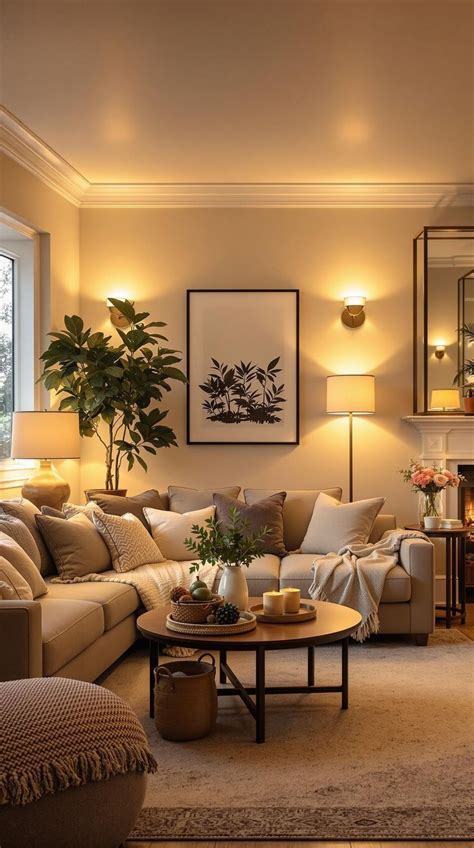
The concept of comfort has evolved significantly, moving away from overly bulky recliners toward sleek silhouettes that offer hidden ergonomics. Modern American living rooms often demand furniture that looks architectural yet feels deeply relaxing. Achieving this balance involves selecting pieces with clean lines, tapered legs, and supportive cushioning that prevent a room from feeling visually heavy or cluttered.
Style is expressed through thoughtful curation rather than matching sets. Combining a structured performance-fabric sofa with organic wood accent tables and a textured wool rug introduces depth and personality. When pieces share a cohesive color palette or complementary proportions, the entire room feels intentional, cozy, and effortlessly sophisticated.
Essential Furniture Pieces for Every Layout
Every well-designed living room relies on a core foundation of anchor pieces. The primary sofa often dictates the room’s orientation, making its depth, arm height, and cushion fill critical decisions. Pairing the sofa with versatile accent chairs introduces extra seating without overwhelming square footage, while a solid wood or upholstered ottoman can double as a coffee table and casual footrest.
Media consoles and low-profile shelving units complete the functional framework of the space. Selecting entertainment units with concealed storage helps manage cords and electronics, keeping the room visually calm. Balancing these large physical elements with open-leg designs allows light to pass underneath, making rooms feel more expansive and airy.
Selecting Durable and Family-Friendly Materials
Lifestyle demands heavily influence material choices, particularly in households with children or pets. Performance fabrics have revolutionized upholstery by offering stain resistance and moisture repellency without compromising softness. Performance velvet, tightly woven linen blends, and heavy-duty textured chenille stand up remarkably well to everyday friction and cleaning.
Frame construction is equally vital for long-term durability. Kiln-dried hardwood frames joined with corner blocks provide structural integrity that resists warping over time. When evaluating cushions, high-resilience foam wrapped in down-alternative feather blends delivers that coveted sink-in feeling while springing back into shape after daily lounging sessions.
Smart Layout Strategies for Apartments and Open-Concept Homes
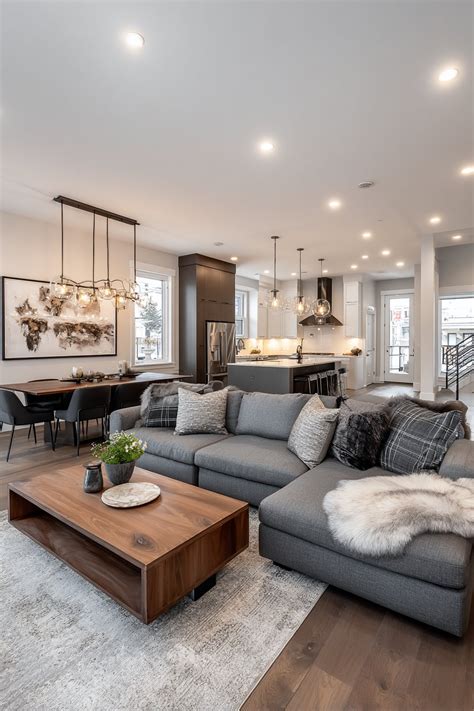
Arranging furniture effectively depends heavily on your specific architectural layout. In compact urban apartments, floating furniture slightly away from walls creates an illusion of greater space, while multi-functional pieces like storage benches maximize utility. Maintaining clear walkways prevents the room from feeling cramped or blocked off.
Open-concept suburban layouts require strategic zoning to define the living area within a larger expanse. Using a large area rug beneath the sofa and coffee table visually anchors the seating group. Positioning the back of a sofa toward a dining area or entryway creates a natural psychological boundary, establishing an intimate conversation zone within a vast open floor plan.
Frequently Asked Questions
What living room furniture styles are currently popular in U.S. homes?
Contemporary casual, transitional, and mid-century modern designs remain exceptionally popular in American homes. These styles emphasize clean lines, organic wood tones, comfortable neutral upholstery, and versatile functionality that easily adapts to shifting lifestyle needs.
How do I choose a sofa that is both comfortable for lounging and stylish?
Look for a balance of seat depth and back support. A deeper seat accommodates lounging, while firm high-density foam or multi-layer cushions prevent sagging. Pair these supportive internals with tailored arms and a clean silhouette to maintain an upscale aesthetic.
What are the best fabrics for durability in homes with pets and kids?
Performance fabrics such as crypton, solution-dyed acrylics, and performance velvet are top choices. They resist stains, repel liquids, and withstand frequent cleaning while maintaining a soft, inviting tactile quality.
How can I arrange furniture in an open-concept living room?
Use large area rugs to ground the seating zone and float your sofa away from the walls. Arrange accent chairs and the sofa to face one another to encourage conversation, using the furniture backs to gently divide the living space from adjacent dining or kitchen zones.


