Designing a living room that successfully marries comfort with modern sophistication often feels like walking a tightrope. Homeowners and renters alike frequently struggle to find the sweet spot between a space that looks polished enough for architectural magazines and one that actually invites you to kick off your shoes at the end of a long day. The secret lies not in choosing one aesthetic over the other, but in layering tactile warmth against clean, contemporary lines. Whether you are outfitting a compact urban apartment or a sprawling suburban family room, achieving this balance requires thoughtful choices in fabrics, lighting, and layout.
When approaching your living room refresh, consider how each element contributes to both the visual weight and the physical feel of the room. A chic room relies on restraint, clean sightlines, and purposeful styling, whereas a cozy room embraces soft surfaces, enveloping seating, and personal touches. By merging these philosophies, you create a dynamic environment that feels curated yet deeply livable. Here are the foundational strategies you can use to transform your American living room into a sanctuary of warmth and style.
Layering Textiles for Tactile Warmth
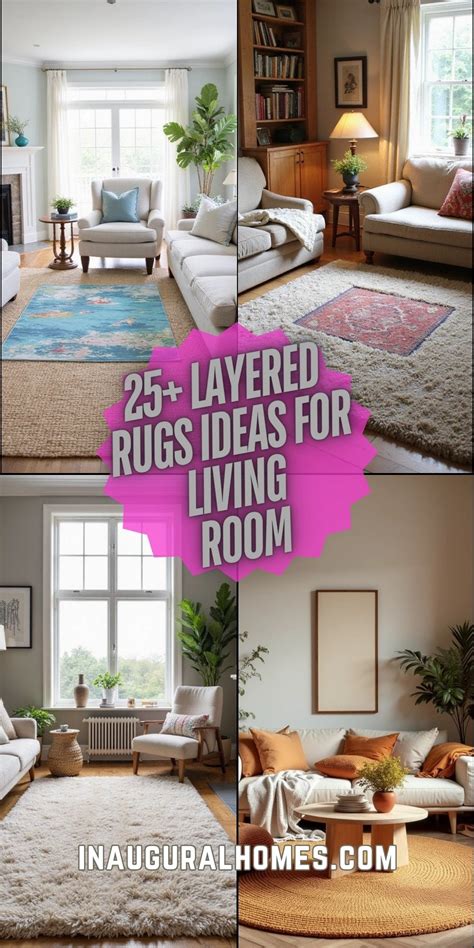
The fastest route to a cozier living room is through textiles. However, to keep the space looking chic rather than chaotic, you must be intentional about how you mix patterns, weaves, and weights. Start with your largest upholstered pieces, such as the sofa and armchairs. Opt for neutral, high-performance fabrics like linen blends, brushed cotton, or heavy twill as a sophisticated backdrop. From there, introduce tactile contrast through throws and accent pillows featuring bouclé, chunky knit wool, velvet, or faux shearling.
Area rugs play a pivotal role in grounding the room and adding underfoot warmth, particularly over hardwood or tile floors common in modern US homes. Instead of flat-woven synthetic rugs, look for plush wool rugs, vintage-inspired distressed patterns, or natural jute layered beneath a smaller, softer sheepskin or vintage kilim. This strategic layering adds depth and visual interest while keeping the overall color palette cohesive and sophisticated, preventing the room from feeling overwhelming.
Curating a Warm and Sophisticated Color Palette
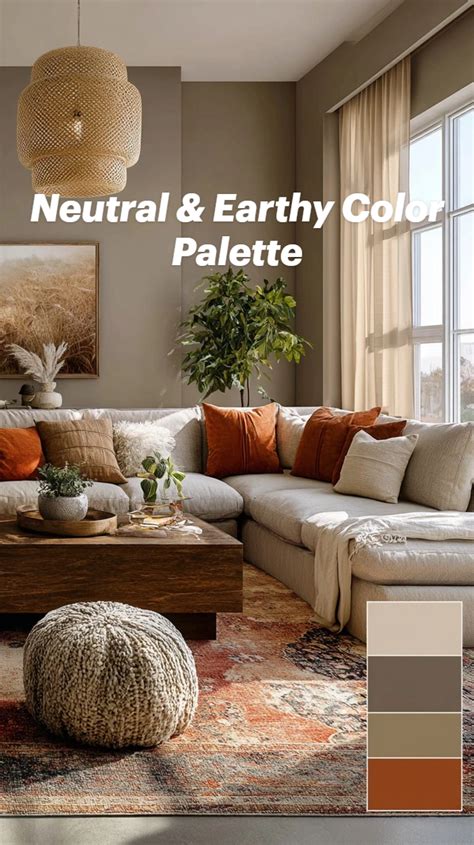
Color sets the emotional temperature of your living room. To achieve a cozy yet chic aesthetic, move away from stark, sterile whites and cold grays in favor of rich earth tones and muted neutrals. Warm undertones like creamy alabaster, soft taupe, terracotta, olive green, and deep charcoal create an enveloping atmosphere that feels grounded and serene.
When working with these richer palettes, maintain balance by playing with matte and reflective finishes. For instance, pair a matte terracotta wall with a sleek brass floor lamp or a polished marble coffee table. This interplay of surfaces ensures that even darker, moodier colors retain a sense of modern lightness and sophistication, avoiding a heavy or dated appearance.
Lighting Strategies for an Inviting Ambiance
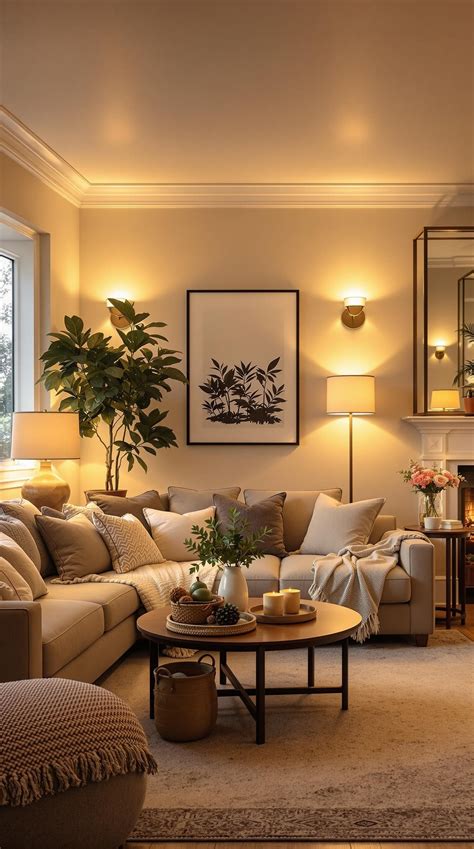
Overhead recessed lighting alone will rarely make a living room feel cozy. To cultivate an inviting ambiance, embrace a layered lighting plan that mimics the warmth of natural sunlight throughout the day. Combine ambient sources, such as dimmable overhead fixtures, with task lighting like reading lamps and accent lighting through strategically placed table lamps and wall sconces.
Pay close attention to the color temperature of your lightbulbs. Selecting bulbs in the warm white spectrum (around 2700K) instantly softens the room and highlights the rich textures of your furniture and decor. Incorporating amber glass shades, ceramic lamp bases, or textured linen drum shades further diffuses the light, casting a gentle, welcoming glow across your living space.
Balancing Lived-In Comfort with Clean-Lined Chic
The hallmark of a well-designed living room is furniture that looks as good as it feels. Avoid overly rigid minimalist furniture that discourages lounging, but also steer clear of oversized, bulky recliners that dominate the room. Instead, look for streamlined silhouettes with deep seats, supportive cushioning, and durable frames that suit your household’s daily routines.
Arrange your seating to encourage conversation and connection, which inherently adds warmth to the room. Pull furniture slightly away from the walls in larger suburban living rooms to create intimacy, or anchor floating layouts with a generous rug in smaller apartment settings. Complete the arrangement with organic elements like live-edge wooden coffee tables or natural stone side tables that introduce raw, earthy beauty to the polished space.
Frequently Asked Questions
How can I make a modern living room feel cozy without cluttering it?
You can create coziness without clutter by focusing on tactile textures rather than collecting excess decor items. Introduce warmth through high-end, touchable fabrics like bouclé pillows, heavy wool throw blankets, and a plush area rug, while keeping tabletops and shelves purposefully edited with only a few meaningful objects.
What color palettes create both warmth and chic style?
Earthy and muted color palettes strike the ideal balance between warmth and sophistication. Consider using warm neutrals like soft taupe, creamy alabaster, and oatmeal as a base, then layer in rich accent colors such as terracotta, olive green, muted rust, or deep charcoal to add depth.
Which fabrics contribute most to a cozy atmosphere?
Fabrics with heavy visual weight and tactile depth contribute the most to coziness. Look for materials like chunky knits, bouclé, velvet, brushed linen, shearling, and heavy wool. Pairing these soft textiles against sleek structural elements like metal, glass, or polished wood creates a balanced chic aesthetic.
How do I style accent lighting for a warm living room ambiance?
To achieve a warm ambiance, avoid relying solely on harsh overhead lights. Instead, use a combination of table lamps, floor lamps, and wall sconces equipped with warm-toned bulbs (around 2700K). Incorporating lamp shades made of woven materials, ceramic, or thick linen also helps diffuse the light softly.


