For decades, the standard living room recliner faced a tough design reputation. Traditional models were often massive, overstuffed, and dominated by heavy leather or dated floral prints that completely overpowered surrounding decor. Today, however, furniture manufacturers have fundamentally reimagined the reclining chair. Modern living room recliners combine sleek silhouettes, tailored upholstery, and hidden mechanisms that deliver exceptional ergonomic relaxation without sacrificing contemporary style.
Bringing a recliner into a thoughtfully designed space no longer requires a compromise on visual elegance. Whether you favor mid-century modern lines, Scandinavian minimalism, or soft transitional aesthetics, contemporary options make it entirely possible to curate a room that is both relaxing and visually sophisticated. The key lies in understanding how chair proportions, fabric choices, and frame construction interact with your broader interior design scheme.
The Evolution of Modern Recliners: Style Meets Ergonomics

The biggest shift in modern recliner design is the concealment of mechanical components. Older models relied on visible levers and massive footrests that telegraphed their functional purpose from across the room. Modern iterations use push-back mechanisms or discreet power buttons built seamlessly into the armrest, allowing the chair to double as a sophisticated accent chair when upright.
When evaluating modern reclining chairs, examine the profile from all angles. A well-designed recliner should look intentional even when fully extended, maintaining clean architectural lines. Slim track arms, tapered wooden legs, and tailored cushions help bridge the gap between traditional lounging furniture and high-end living room seating. This approach ensures your primary relaxation spot enhances the room’s overall layout rather than acting as a bulky afterthought.
Selecting the Right Upholstery Fabric for Everyday U.S. Living
Upholstery choice dictates both the tactile feel of your recliner and its longevity under daily household use. Busy households with children or pets require high-performance fabrics that resist staining and wear without feeling rigid or clinical. Performance linens, tightly woven chenille, and treated leathers offer a wonderful balance of visual texture and practical durability.
Consider how natural light enters your living space when choosing colors and finishes. A dark velvet or rich top-grain leather can anchor a sun-drenched, open-concept room by adding visual weight, while lighter neutral wovens help smaller urban living spaces feel expansive and airy. Always request fabric swatches to test how the material looks against your existing rugs, wall paint, and sofa textiles throughout different times of the day.
Integrating a Recliner into Existing Living Room Layouts
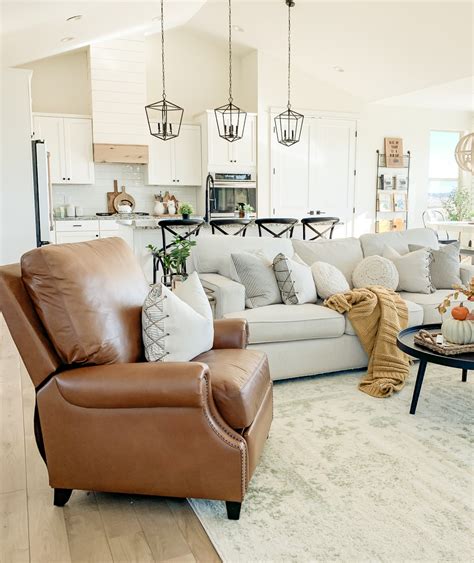
Positioning a recliner requires careful spatial planning because the chair needs clearance to extend fully. In compact apartments or narrow living rooms, wall-hugger recliners are an exceptional solution. These clever mechanisms slide forward as they recline, requiring only a few inches of clearance from the wall behind them to achieve full extension.
To prevent the recliner from feeling isolated, anchor it with surrounding decor elements. Pair the chair with a slender side table for your evening beverage and a dedicated reading lamp to create an inviting vignette. If your seating arrangement includes a main sofa, angle the recliner slightly inward toward the center of the room to encourage natural conversation flow rather than pushing every piece of furniture flat against the perimeter walls.
Balancing Comfort and Aesthetics: A Decision Framework
Choosing the ideal living room recliner ultimately comes down to balancing your physical comfort requirements with your aesthetic vision. If you prioritize deep lumbar support and headrests for evening television watching, look for power recliners with adjustable head and foot controls that fold away invisibly when not in use.
If your living room primarily serves as a formal hosting space where relaxation is secondary, a stylish push-back armchair with a hidden ottoman or a subtle reclining mechanism offers the best of both worlds. By focusing on quality frame construction, high-density foam cushions, and timeless upholstery, you ensure your investment delivers durable comfort for years to come.
Frequently Asked Questions
How can I tell if a recliner will look too bulky in my living room?
To evaluate potential bulkiness, look closely at the chair’s legs and arm style. Recliners with exposed wooden legs, slim track arms, and low-profile backs appear much lighter visually than heavy, floor-length upholstered models. Additionally, measuring the footprint and mapping it out with painter’s tape on your floor helps visualize the spatial impact before making a purchase.
Are power recliners harder to style than manual ones?
Power recliners are often easier to style than traditional manual models because their control buttons are usually tiny and flush-mounted, avoiding the awkward protruding handles of older designs. The only styling consideration with power recliners is planning for cord management if the chair sits away from a wall outlet, though many modern models now feature sleek rechargeable battery packs.
What fabrics work best for pet owners who want a stylish recliner?
Performance microfibers, tightly woven textured wovens, and genuine top-grain leathers are top choices for pet owners. These materials resist snagging from claws and make pet hair removal simple. Avoid loose-weave fabrics like standard chenille or delicate silks, which can easily catch claws and show wear quickly.


