For years, the traditional recliner suffered from an image problem. Often associated with overstuffed frames and clunky silhouettes, standard reclining furniture was a tough sell for anyone aiming for a streamlined, contemporary interior design. Fortunately, the category has undergone a major transformation. Today’s sophisticated power recliner sets combine ergonomic luxury with clean, architectural lines, making it entirely possible to prioritize supreme relaxation without compromising your home’s aesthetic appeal.
When exploring options from major retailers like Rooms To Go, shoppers will find that modern manufacturing techniques have successfully slimmed down profile depths while hiding motorized mechanisms entirely out of view. By understanding how to select the right configuration, balance upholstery textures, and plan your spatial layout, you can turn a functional seating choice into the stylish anchor of your family room or formal living area.
The Evolution of Sleek Power Recliners
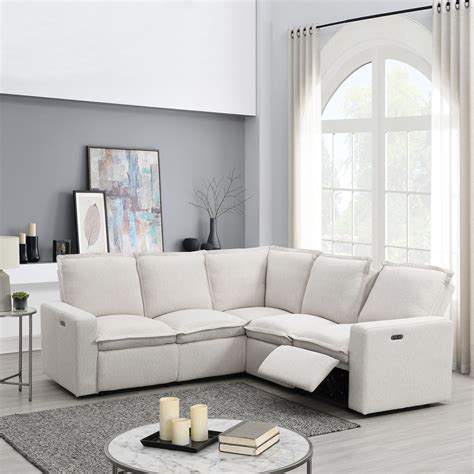
The biggest misconception about modern power recliners is that they must dominate a room visually. Older mechanical designs required massive frames to house springs, levers, and handles. Modern engineering, however, utilizes quiet motorized tracks and compact steel frames that allow for a much tighter profile. This shift means that sofas and sectionals equipped with power recline and power headrests can easily mimic the silhouette of high-end stationary furniture.
Retailers feature curated living room packages that pair power reclining sofas with matching loveseats or accent chairs, ensuring a cohesive look. When you examine these pieces closely, you notice tailored track arms, clean stitching details, and legs that elevate the base off the floor, creating a lighter visual footprint. This architectural refinement prevents the furniture from feeling heavy, allowing the room to maintain an open and breathable atmosphere.
Selecting the Right Configuration for Your Floor Plan
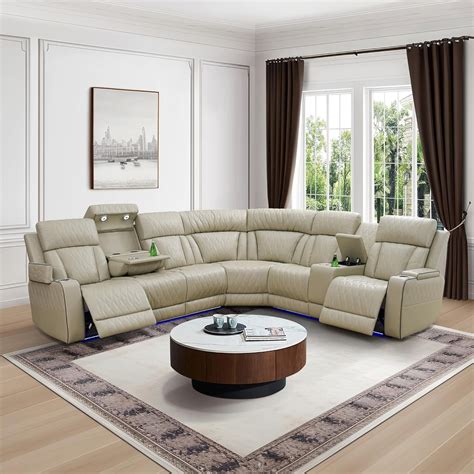
Before bringing home a new seating arrangement, careful spatial planning is essential. Power reclining furniture requires access to power sources and specific clearance for the footrests and backrests to extend fully. Wall-hugger mechanisms are a brilliant innovation for tighter living spaces, as they slide forward while reclining rather than requiring feet of empty space behind the sofa back.
Consider how your family uses the room on a daily basis. A traditional sofa and loveseat set works wonderfully in rectangular or closed living spaces where conversation areas benefit from parallel seating. On the other hand, modular power reclining sectionals fit neatly into corner layouts, maximizing seating capacity in open-concept homes without blocking traffic paths. Always measure doorways and stairwells as well, since motorized furniture frames are exceptionally heavy and arrive in pre-assembled sections that require precise maneuvering.
Balancing Comfort Features with Interior Aesthetics
The true magic of contemporary power recliners lies in their customizable comfort settings. Integrated control panels often feature USB charging ports, power lumbar support, and adjustable headrests that allow you to fine-tune your posture for reading, watching television, or napping. The challenge for interior stylists is ensuring these high-tech additions do not visually disrupt the room’s decor.
Look for control buttons discreetly integrated into the inner side of the armrest rather than exposed on the outer surface. Furthermore, upholstery selection plays a massive role in maintaining a polished look. Performance fabrics offer stain resistance and a cozy, textured weave ideal for households with children or pets, while top-grain leather options bring a timeless, sophisticated sheen that naturally patinas over time. Both options handle daily wear gracefully when chosen to match your lifestyle demands.
Styling Tips: Integrating Your Recliner Set Into Existing Decor
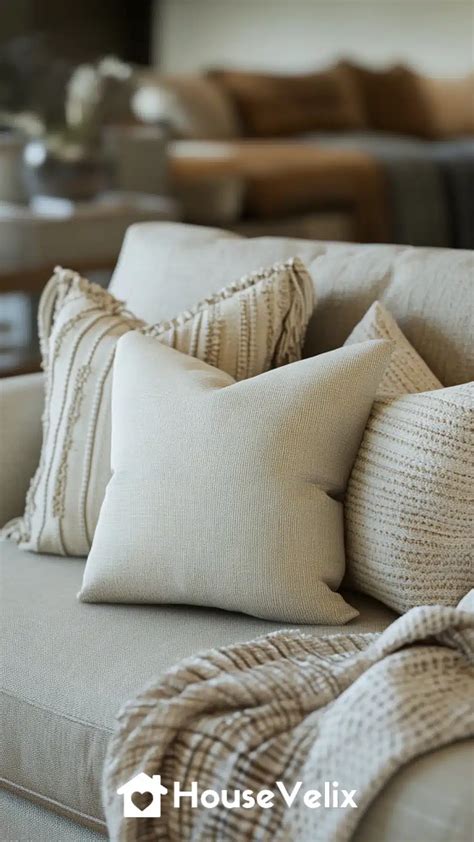
Styling a room around a large reclining sofa or sectional comes down to softening the visual mass of the furniture through layering. Because reclining pieces feature structured lines and integrated cushions, you can introduce organic textures elsewhere in the space to create balance. Add woven throw blankets, patterned accent pillows, and a soft wool area rug to break up large expanses of solid upholstery.
Lighting and surface placement also require strategic planning. Since power reclining sets often sit away from walls to accommodate movement, floating the furniture in the center of the room is common. Pair this layout with a sturdy, appropriately scaled coffee table within arm’s reach, and anchor the arrangement with a statement floor lamp or a pair of slim-profile console tables behind the sofa to display ambient lighting and decor.
Frequently Asked Questions
Do power recliner sets look bulky in a living room?
Not necessarily. While traditional recliners were notoriously oversized, modern power recliner sets feature slimmer profiles, concealed motorized mechanisms, and tailored arms that mimic stationary designer furniture.
What features should I look for when buying a power recliner?
Key features to consider include independent power headrests, adjustable lumbar support, wall-hugger mechanisms for tighter spaces, and discreetly placed USB or USB-C charging ports for added convenience.
Can I float a power reclining sofa in the middle of a room?
Yes, many modern power reclining sofas and sectionals are finished on all sides, making them suitable for floating layouts. Just ensure you have a floor outlet nearby or a safe cord-management strategy to reach the power source.
How do I maintain and care for upholstery on power reclining furniture?
Maintenance depends on the material. For performance fabrics, regular vacuuming and prompt spot cleaning with a mild water-based cleaner are best. For leather options, use a dedicated leather conditioner periodically to keep the material supple and prevent cracking.


