When designing a welcoming living room, homeowners often face a classic dilemma: choosing between the sleek, streamlined silhouettes of modern aesthetic furniture and the undeniable, cocoon-like comfort of a traditional recliner. Fortunately, modern furniture engineering has evolved to bridge this gap. Incorporating reclining furniture into a living room no longer means sacrificing your interior design vision for the sake of relaxation.
Brands like Ashley offer diverse collections that blend ergonomic support with contemporary silhouettes. Whether you are outfitting a spacious family room or a cozy apartment lounge, understanding how to select, arrange, and style these functional pieces allows you to create a space that feels both deeply inviting and visually polished.
Exploring Your Options in Reclining Seating Configurations
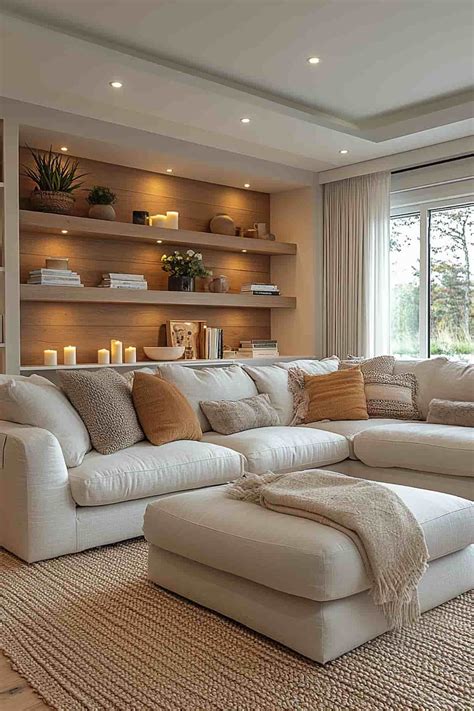
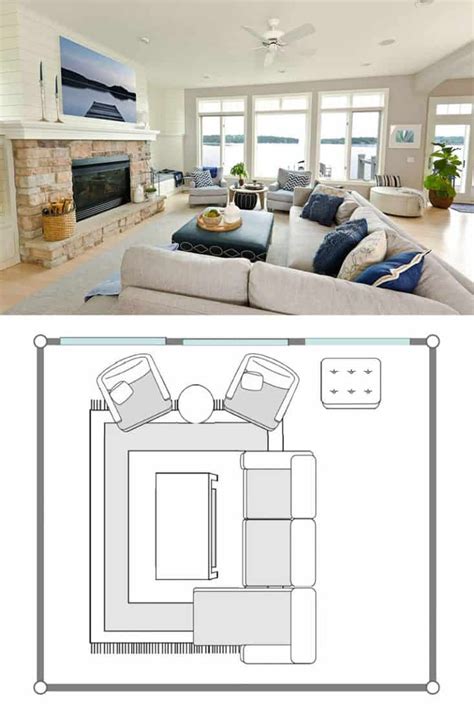
Reclining furniture extends far beyond the traditional single armchair. Today’s product ecosystems include full-size sofas, modular sectionals, loveseats with center consoles, and standalone accent recliners. Each configuration serves different spatial demands and household needs, requiring careful consideration of your room’s floor plan before making a purchase.
For expansive living spaces, modular reclining sectionals provide ample seating while maintaining a cohesive look. In contrast, pairing a standard sofa with a matching power recliner or opting for a compact loveseat keeps smaller rooms from feeling overwhelmed. The key is evaluating how many people genuinely need reclining capabilities on a daily basis versus how many simply need comfortable stationary seating.
Understanding Modern Comfort Features and Technology
The internal mechanics of reclining furniture have undergone a massive transformation, moving well beyond the simple pull-handle mechanisms of the past. Modern power recliners offer infinite reclining positions, allowing users to fine-tune their seating angle for reading, watching television, or sleeping. Independent headrest and lumbar adjustments provide targeted support where the body needs it most, significantly reducing strain during long hours of sitting.
Additional features such as USB charging ports, integrated storage consoles, and subtle heating or massage functions elevate these pieces from simple seats to personalized relaxation stations. When evaluating these options, consider which features align with your daily habits. If you frequently work or read on your tablet in the living room, powered headrests and accessible USB ports quickly become essential daily conveniences rather than mere luxuries.
Styling and Spatial Planning for Bulky Reclining Pieces
One of the primary concerns homeowners have with reclining furniture is its inherent bulk. Because traditional recliners require significant clearance from the wall to extend fully, poor placement can disrupt traffic flow and make a room feel cramped. Zero-wall or wall-hugger reclining mechanisms solve this issue by sliding forward as they recline, making it possible to place larger sofas and chairs much closer to perimeter walls without sacrificing range of motion.
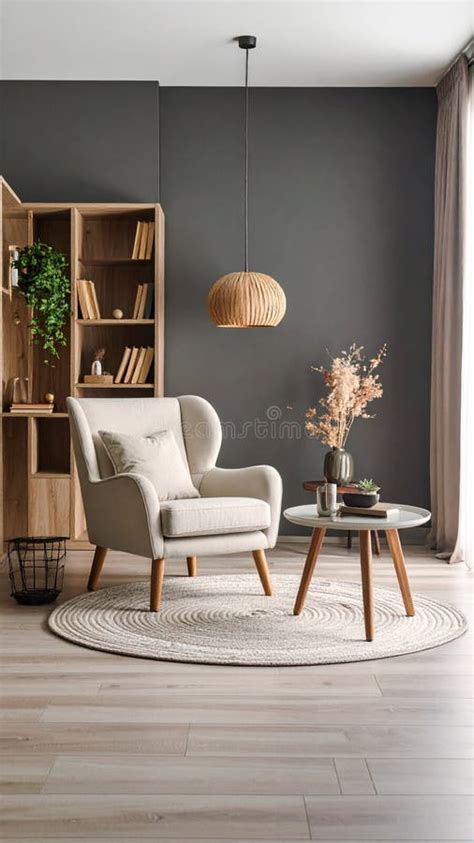
To keep a room looking styled rather than utility-driven, surround your reclining seating with complementary design layers. Introduce textured throw blankets to soften broad expanses of leather or synthetic upholstery, and ground the arrangement with a patterned area rug that draws the eye toward the center of the room. Pairing a bulky sectional with lightweight, open-frame accent chairs or a glass-top coffee table helps maintain visual breathing room across the entire floor plan.
Selecting Durable Upholstery: Leather Versus Performance Fabrics
The longevity of your living room furniture heavily depends on selecting the right upholstery material for your household lifestyle. Genuine leather and high-grade faux leathers offer a sophisticated sheen, age gracefully, and repel casual spills easily, making them a popular choice for busy households with children or pets. However, they can feel temperature-sensitive in extremely hot or cold climates.
Alternatively, tightly woven performance fabrics provide a softer, more textured tactile experience while offering built-in stain resistance. These fabrics come in a vast array of neutral and vibrant tones, making it easier to match your overarching color palette. When browsing options, always request physical fabric swatches to test how the material interacts with your living room’s natural lighting throughout the day.
Frequently Asked Questions
What types of reclining furniture does Ashley offer for living rooms?
Ashley provides a comprehensive selection of reclining furniture tailored to various room sizes and styles, including traditional single recliners, loveseats with built-in storage consoles, full-size sofas, and sprawling modular sectionals equipped with both manual and power reclining mechanisms.
How do I choose between a manual and a power recliner?
Manual recliners rely on a physical latch or body pressure, offering reliable operation without the need for an electrical outlet. Power recliners provide smooth, infinitely adjustable positioning via subtle control buttons, often including adjustable headrests and lumbar support, though they do require proximity to a wall outlet.
Can reclining furniture look stylish in a small living room?
Yes, by selecting compact profiles, wall-hugger mechanisms that require minimal rear clearance, and lighter upholstery colors. Pairing these pieces with leggy, open-base accent furniture keeps the floor plan feeling open and airy.
What maintenance is required for reclining mechanisms and fabrics?
Regular maintenance includes vacuuming crevices to prevent debris buildup in the mechanical tracks, periodically checking electrical cords on power models, and following manufacturer guidelines for spot-cleaning specific leather or performance fabric upholsteries.


