For decades, traditional recliners held a notorious reputation in interior design circles. They were often viewed as oversized, bulky pieces upholstered in heavy dark fabrics that dominated a room rather than complementing it. However, contemporary furniture manufacturing has completely redefined this household staple. Today’s options successfully bridge the gap between high-end aesthetic appeal and advanced ergonomic wellness, giving homeowners a functional seating solution that elevates the entire living space.
Upgrading to an adjustable seating solution means moving beyond the rigid, pre-determined angles of older manual models. Modern iterations operate on whisper-quiet electric motors, allowing users to fine-tune their posture with infinite positioning capabilities. Whether you are reading, working on a laptop, or resting after a long day, integrating these sophisticated seats into your layout offers a transformative approach to daily relaxation without compromising visual harmony.
The Evolution of Ergonomic Health and Posture Support
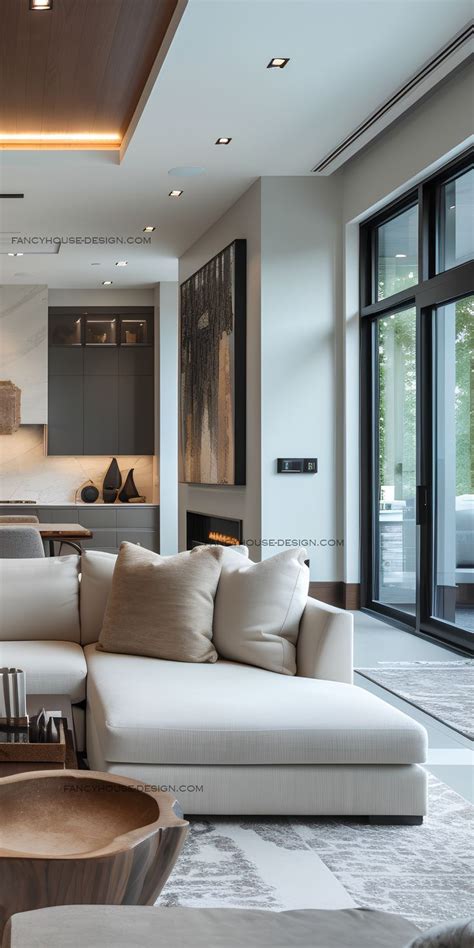
Physical well-being starts with proper alignment, and modern seating plays a critical role in how our bodies recover from daily stress. Unlike traditional static armchairs, high-end motorized seats provide continuous lumbar adjustment and precise headrest articulation. This targeted support helps relieve pressure on the spine and lower back, making it easier to maintain a neutral posture during extended periods of sitting.
Transitioning from a standard upright seat to a customized recline angle encourages better blood circulation and reduces muscle fatigue. Many advanced models incorporate zero-gravity positioning, which elevates the legs above the heart to evenly distribute body weight. This ergonomic posture mimics a weightless sensation, offering notable relief for individuals who spend long hours standing or sitting at a desk.
Matching Contemporary Aesthetics: Sleek Design Meets Function
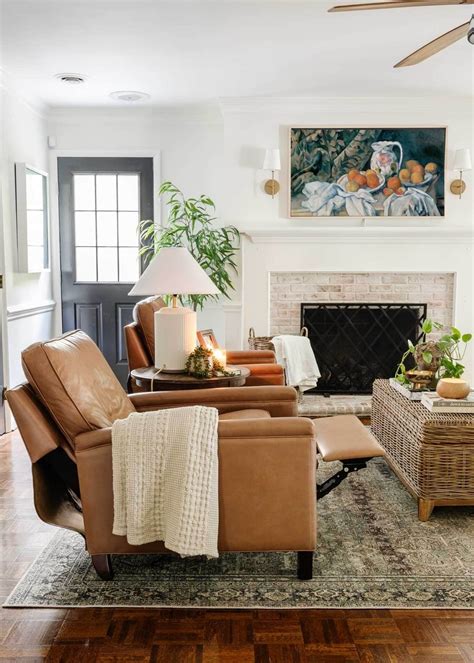
One of the most common hesitations regarding reclining furniture is the fear that it will disrupt a carefully curated interior design scheme. Fortunately, modern manufacturers have abandoned the overstuffed silhouettes of the past in favor of clean lines, slim profiles, and tailored upholstery options ranging from supple top-grain leather to textured performance wovens.
When styled correctly, a contemporary motorized chair can easily anchor a sophisticated reading nook or pair seamlessly with a minimalist sectional sofa. Choosing exposed wooden legs, tapered armrests, or muted neutral tones helps the furniture blend effortlessly into transitional, Scandinavian, or modern industrial living rooms, proving that comfort and high design can coexist beautifully.
Smart Features That Enhance Daily Convenience
Beyond basic movement, modern models integrate thoughtful technology designed to streamline everyday living. Built-in USB charging ports situated discreetly inside the armrest keep phones and tablets powered without requiring awkward cord extensions across the floor. Integrated memory settings allow users to save their favorite seating angles for instant, one-touch adjustments.
Another major engineering advancement is the wall-hugger mechanism. Traditional recliners demand significant clearance behind them to fully extend, often wasting precious floor space. Wall-hugger designs slide forward as they recline, requiring only a few inches of breathing room from the wall behind them, which makes layout planning significantly easier in compact or mid-sized American living rooms.
Strategic Space Planning for American Living Rooms
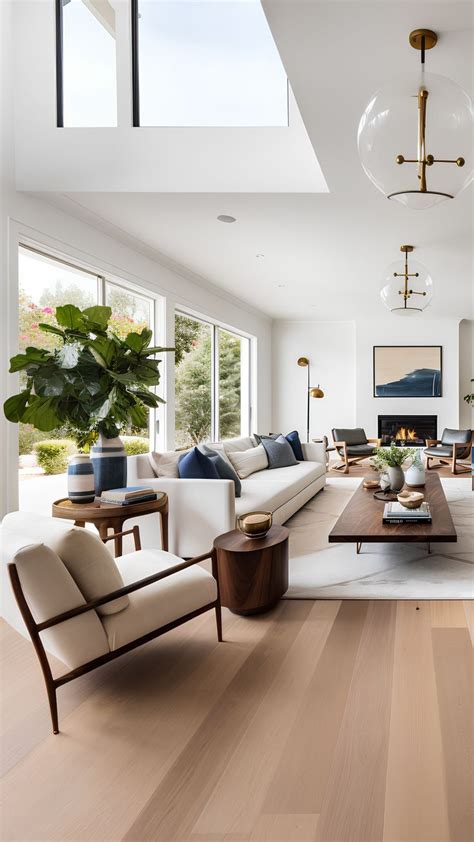
Integrating a motorized armchair into an existing layout requires careful consideration of scale, traffic flow, and proximity to power sources. Because these pieces require electricity, mapping out furniture placement near floor outlets or utilizing rechargeable lithium-ion battery packs helps maintain a clean, wire-free aesthetic in the center of the room.
Balance the visual weight of the chair by pairing it with lighter complementary elements, such as an open-leg coffee table or a slender floor lamp. Ensuring there is ample clearance for the footrest to extend fully without striking other furniture pieces prevents awkward room congestion and preserves an open, welcoming atmosphere for family and guests alike.
Frequently Asked Questions
What are the main benefits of a power reclining chair compared to manual recliners?
Power recliners offer infinite positioning capabilities through smooth electric motors, allowing you to stop at any exact angle you prefer. Manual recliners typically lock into just two or three preset positions using body weight and a lever. Additionally, motorized chairs often include articulated headrests and power lumbar support for superior ergonomic alignment.
Do power recliners look bulky or do they fit modern living room decor?
Modern options have evolved significantly past the bulky, overstuffed designs of the past. Today’s market features streamlined silhouettes, narrow track arms, and sleek tailored upholstery that blend seamlessly into contemporary, transitional, and minimalist interior design schemes.
How much space do power reclining chairs require in a room?
Space requirements depend on the mechanism. Standard recliners need considerable clearance behind them, but many modern designs utilize wall-hugger technology. Wall-hugger models slide forward as they recline, needing only a few inches of space between the back of the chair and the wall.
Are power recliners reliable and easy to maintain?
High-end motorized mechanisms and steel frames are built for long-term durability and heavy everyday use. Maintenance is minimal, generally requiring only occasional dusting of the mechanical components and regular care of the upholstery fabric according to the manufacturer’s cleaning guidelines.


