Refreshing your living room does not always require a massive budget or a complete structural overhaul. In typical American homes, whether you are dealing with a compact urban apartment layout or an expansive suburban open-concept floor plan, the secret lies in thoughtful curation. By focusing on intentional layout adjustments, strategic layering of textiles, and impactful color choices, you can completely transform the atmosphere of your primary gathering space without starting from scratch. Taking the time to evaluate how your household actually uses the room on a daily basis ensures that every aesthetic upgrade also serves a practical, functional purpose.
Homeowners and renters alike often look for ways to balance aesthetic charm with everyday durability, especially in households with active children or domestic pets. Implementing versatile design choices allows your space to adapt gracefully to changing daily routines, seasonal shifts, and entertaining needs. The following categorized concepts provide a comprehensive roadmap for updating your living room with practical, stylish solutions designed to suit modern lifestyles, giving you distinct stylistic directions to explore depending on your architectural footprint and personal taste.
Modern Minimalist Living Room Updates
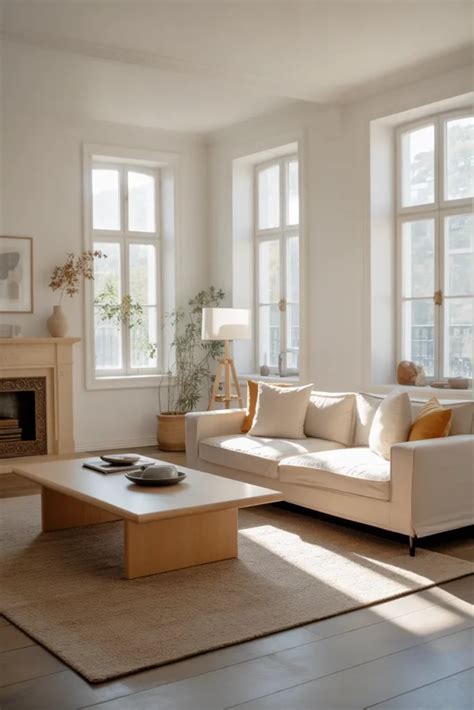
Embracing a minimalist approach in a family living room requires careful balancing between clean aesthetics and genuine everyday comfort. Instead of stripping the room of all personality and warmth, modern minimalism focuses on quality craftsmanship over sheer quantity of objects. Choose furniture silhouettes that elevate the sense of open space, and keep horizontal surfaces largely uncluttered to promote a calm, restful environment for everyone in the household.

When building a minimalist foundation, pay close attention to the structural silhouette of your primary seating and storage pieces. Low-profile sofas and media consoles anchored directly to the wall create an uninterrupted visual plane, making standard suburban living rooms feel considerably more expansive. Introduce warmth through natural materials like white oak or walnut rather than adding extra decorative objects, letting the inherent grain and texture of the wood serve as the visual focal point of the room.
One major trade-off in minimalist design is managing storage needs when visible clutter is eliminated. To maintain the clean aesthetic without sacrificing daily utility, invest in concealed cabinetry or deep drawer units that keep electronics, children’s toys, and paperwork entirely out of sight. This approach allows you to enjoy an uncluttered environment while still accommodating the very real storage demands of a busy household.
Refining Your Color Palette
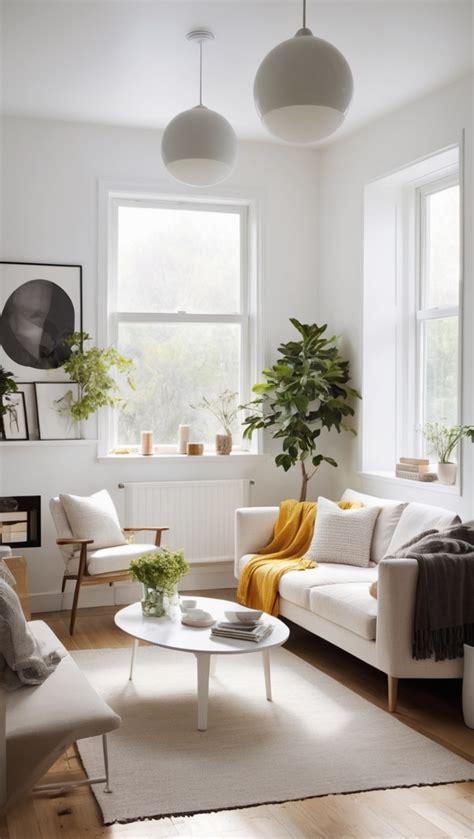
A restrained color palette acts as the structural backbone of any successful minimalist interior. Stick to soft warm whites, muted grays, and earthy taupes to establish a cohesive, serene backdrop. Introduce visual interest through subtle tonal variations and varied tactile surfaces rather than high-contrast patterns, ensuring the room remains peaceful and inviting throughout the changing seasons.
Curating Functional Decor
Every single decorative element in a minimalist living room should serve a distinct purpose or bring genuine joy to the inhabitants. Swap out multiple small knick-knacks for a single large-scale ceramic vase or an architectural art piece that commands attention. This deliberate reduction in visual clutter naturally draws the eye toward carefully selected focal points, heightening the overall sophistication of the space.
Cozy Farmhouse and Rustic Aesthetics
The enduring popularity of farmhouse and rustic design stems from its innate sense of warmth and welcoming hospitality. This design style successfully bridges the gap between traditional craftsmanship and casual contemporary living. Incorporating rustic elements allows you to create a lived-in, approachable atmosphere that immediately puts guests and family members at ease after a long day.
To achieve this look without tipping into overly themed territory, mix vintage-inspired elements with clean, modern architectural lines. A reclaimed wood coffee table paired with a crisp linen sofa creates an intentional contrast that prevents the space from feeling heavy or dated. Incorporating wrought iron hardware, woven baskets, and distressed leather accents adds layers of tactile richness characteristic of authentic American country and transitional homes.
When working with rustic elements, be mindful of lighting conditions. Heavy wood tones and dark metals can absorb light, potentially making a room feel smaller if windows are small or obstructed. Balance these darker, textural pieces with plenty of ambient lighting and lighter wall colors to maintain an airy, balanced environment.
Integrating Natural Textures
Texture serves as the primary vehicle for warmth in a rustic living room design. Layer chunky knit throws, woven jute rugs, and raw linen pillow covers generously across your seating areas. These natural fibers invite physical touch and build a deeply inviting sensory landscape that feels authentic and comforting.
Displaying Meaningful Heritage Pieces
Instead of relying exclusively on mass-produced wall art, incorporate vintage botanical prints, antique mirrors, or heirloom quilts framed as textiles. These deeply personal touches anchor the room in a narrative of history and individual storytelling, making your decor feel truly one-of-a-kind.
Small Space Layout Hacks for American Apartments
Working with a compact footprint presents unique spatial challenges, but it also invites incredibly creative problem-solving. In many American urban apartments, the living room must frequently double as a home office, dining nook, or guest sleeping area. Maximizing functionality starts with multi-use furniture and clever vertical zoning strategies that make every square foot count toward your daily lifestyle needs.
Floating your furniture slightly away from the walls rather than pushing every single piece against the perimeter can trick the eye into perceiving a larger spatial boundary. Additionally, opting for glass-topped coffee tables or acrylic chairs allows light to pass right through the furniture, keeping the visual center of the room open and unobstructed.
When arranging small spaces, always maintain clear circulation paths. Blocked pathways make even a well-decorated room feel cramped and stressful. Prioritize scaled-down furniture pieces that leave adequate room to walk comfortably from entryways to windows and seating areas.
Maximizing Vertical Storage
When floor space is scarce, look upward to unlock hidden capacity. Floor-to-ceiling shelving units draw the gaze toward the ceiling height, emphasizing the vertical volume of the room. Use upper shelves for less frequently accessed items while keeping lower tiers styled with curated books and minimal decor.
Choosing Multi-Functional Furniture
Invest in clever storage ottomans that easily double as extra seating or a stable surface for a serving tray. Nesting tables can be pulled apart when entertaining guests and tucked neatly together when floor space is needed for daily circulation or children’s play.
Bold Color Accents and Accent Walls
Neutral backdrops provide fantastic long-term versatility, but introducing bold color accents infuses personality and vibrant energy into a tired room. You do not need to repaint your entire house to make a dramatic statement; targeted pops of deep emerald, rich terracotta, or midnight blue can completely redefine the emotional mood of a space.
An accent wall painted in a saturated hue creates an instant focal point behind a media center or sofa grouping. If paint feels too permanent for your living situation or rental lease, channel bold colors through large-scale canvas art, statement area rugs, or richly colored velvet drapery panels that frame your windows and draw the eye upward toward architectural heights.
When introducing high-saturation colors, evaluate how natural daylight shifts across the room throughout the day. A color that looks warm and inviting in direct morning sun might feel stark or heavy under evening artificial light, so always test paint samples or fabric swatches in your specific space before committing.
Coordinating Accent Tones
To keep bold colors from feeling chaotic or disconnected, repeat your chosen accent color at least three distinct times throughout the room. For example, match your throw pillows to a ceramic lamp base and a subtle detail in your abstract artwork for a cohesive designer finish.
Balancing Light and Dark
When incorporating dark, dramatic paint colors or charcoal furniture, ensure your lighting strategy compensates adequately. Layer ambient floor lamps, targeted task lighting, and natural daylight to keep the room feeling bright and balanced rather than cave-like.
Frequently Asked Questions
How can I refresh my living room without buying all new furniture?
You can dramatically update your living room by swapping out smaller textiles such as throw pillows, blankets, and area rugs. Additionally, rearranging your existing furniture layout, updating wall art, and introducing new lighting fixtures can make the space feel entirely brand new without purchasing major new furniture pieces.
What are the current living room decor trends in the US?
Current trends lean heavily toward organic modernism, warm earth tones, tactile natural materials like bouclé and rattan, and multifunctional layouts that accommodate remote work and family gatherings seamlessly.
How do I make a small American living room look bigger?
To make a small living room feel larger, choose low-profile furniture, use large-scale mirrors to reflect natural light, hang drapery high and wide near the ceiling line, and keep pathways completely clear of bulky clutter.
What are easy ways to incorporate color and texture into a neutral living room?
Layering is the easiest way to add texture and color. Introduce woven baskets, linen or velvet throw pillows, textured wool rugs, and botanical elements. For color, rely on easily swappable accessories like art prints, decorative ceramics, and seasonal throw blankets.


