A living room should feel like a deep breath at the end of a long day. Yet, over time, our primary gathering spaces naturally accumulate visual clutter, tired textiles, and furniture arrangements that no longer serve our daily routines. Refreshing your space does not require a complete structural overhaul or an expensive shopping spree. Instead, achieving a clean and inviting atmosphere is about editing what you already own, introducing intentional focal points, and striking a delicate balance between crisp minimalism and cozy, lived-in comfort.
When embarking on a room update, the most effective approach is to examine how the space functions in real life. Whether you are managing a bustling family household or styling a compact urban apartment, a successful design refresh marries aesthetic appeal with everyday practicality. By focusing on foundational elements like layout, lighting, color, and texture, you can completely alter the atmosphere of your room without losing the warm, welcoming personality that makes your house a home.
Establishing a Clean Foundation Through Mindful Decluttering
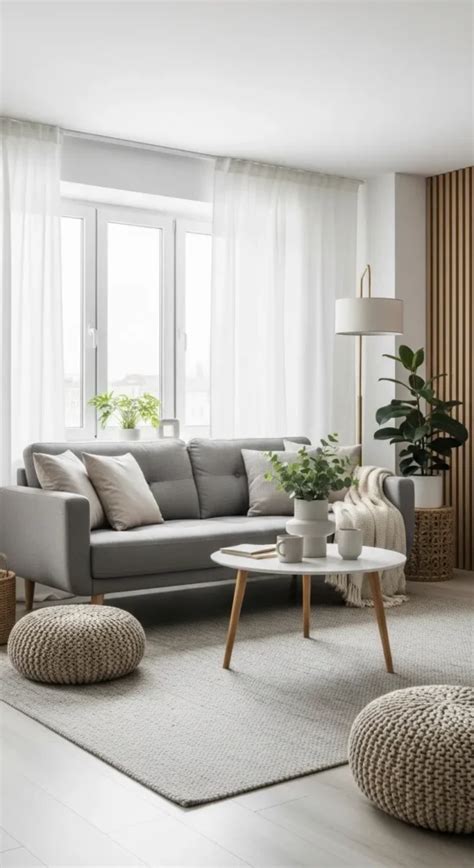
Every successful room transformation begins with a blank slate, which makes thoughtful decluttering the absolute most important first step. Over months and years, coffee tables become holding zones for mail, bookshelves collect miscellaneous trinkets, and corners trap items that belong elsewhere. Clearing these surfaces allows you to see the true architecture and potential of your living room, paving the way for a much cleaner, more intentional look.
As you clear out the room, resist the urge to simply shuffle belongings into hidden closets. Instead, evaluate each item for its contribution to the overall atmosphere. Keep pieces that serve a daily functional purpose or bring genuine joy, and let go of or store items that merely add visual noise. This process creates physical breathing room, which immediately translates to a sense of mental calm the moment you walk into the space.
Curating a Fresh and Inviting Color Palette
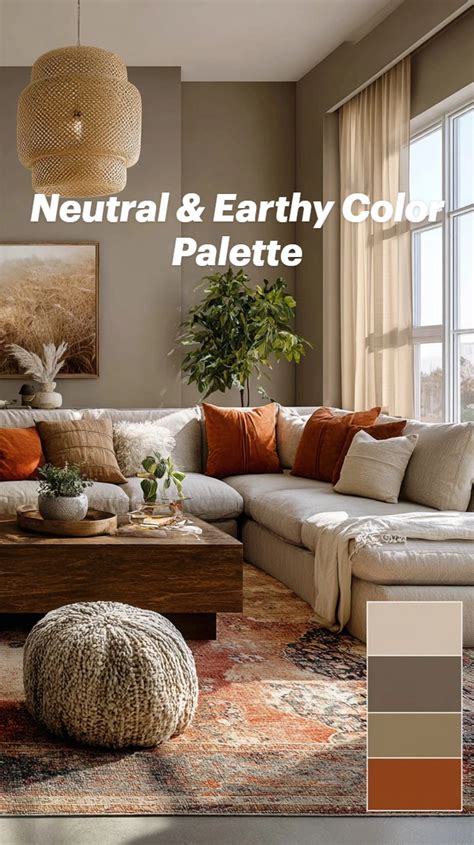
Color has an extraordinary power to dictate the mood of a room. To achieve a clean yet welcoming aesthetic, many designers lean toward a base of soft, neutral tones on the walls and larger furniture pieces—think warm ivories, subtle stone grays, or gentle greiges. These versatile shades reflect natural light beautifully, making the room feel instantly larger, brighter, and more expansive.
However, an all-neutral room can sometimes risk feeling sterile if it lacks contrast and depth. To keep the space inviting, layer in secondary tones drawn from nature, such as muted olive greens, soft terracottas, or rich cognac browns. You can introduce these shades through movable accents like ceramic vases, art prints, or a statement armchair, ensuring your palette remains dynamic and easy to update as seasons change.
Optimizing Furniture Layout for Flow and Openness
How your furniture is arranged dictates how energy moves through the room. A common design mistake is pushing every seating piece directly against the perimeter walls in an effort to maximize floor space. Paradoxically, floating your furniture slightly away from the walls and arranging seating to encourage conversation can make a living room feel significantly more open, balanced, and intentional.
Begin by identifying the primary focal point of the room, whether that is a fireplace, a view of the outdoors, or a media center, and build your layout around it. Ensure there are clear, unobstructed pathways for walking from entryway to exit. A comfortable living room invites movement rather than blocking it, creating a seamless connection between different zones of an open-plan home or a cozy, self-contained apartment.
Layering Textures and Soft Furnishings for Comfort

While clean lines and an organized layout establish the structure of your updated design, textiles provide the soul and comfort. To prevent a clean room from feeling cold, introduce a rich variety of tactile elements. Combine smooth leather with chunky knit throws, crisp linen curtain panels with plush velvet accent pillows, and woven jute rugs with sleek wooden accents.
Changing out your textiles is also the easiest, most budget-friendly way to transition your living room between seasons. Swap heavy wool blankets and dark tones for lightweight cottons and breezy neutrals when warmer weather arrives. This layering approach adds visual depth and tactile warmth, ensuring that your clean-looking space remains deeply inviting for family members and guests alike.
Enhancing Ambience With Layered Lighting and Greenery
Lighting is frequently overlooked in living room design, yet it remains the ultimate tool for setting a warm and welcoming mood. Relying solely on harsh overhead lighting can make even the most beautifully decorated room feel stark. Instead, build a lighting scheme with multiple sources at different heights, combining floor lamps for reading corners, table lamps for soft side-table glow, and perhaps dimmable overhead fixtures.
Finally, complete your refresh by bringing the outdoors in. Plants add organic shapes, subtle color variations, and a vibrant touch of life that synthetic decor simply cannot replicate. Whether you place a tall fiddle-leaf fig in an empty corner or style a trailing pothos on a bookshelf, greenery bridges the gap between clean structural design and warm, living comfort.
Frequently Asked Questions
How can I make my living room look cleaner without buying new furniture?
You can instantly create a cleaner look by ruthlessly clearing off flat surfaces like coffee tables and media consoles, hiding loose cords, and swapping heavy, outdated decor for streamlined organizers. A deep clean of your rugs and upholstery also refreshes the visual airiness of the entire room.
What is the best way to choose a color palette for a refreshed living room?
Start with a versatile, light neutral base for your walls and large furniture to maximize natural light and space. Then, choose two or three complementary accent colors inspired by nature to weave in through smaller decor items, pillows, and artwork for warmth and personality.
How do I arrange furniture in a small living room to maintain an open feel?
Pull your main seating pieces slightly away from the walls rather than pushing them entirely to the perimeter. Keep pathways completely clear of obstruction, and choose multi-functional furniture, such as a storage ottoman or nesting coffee tables, to reduce clutter and maintain physical flow.
What are budget-friendly ways to update living room textiles?
Instead of replacing entire sofas or armchairs, invest in new pillow covers, a fresh throw blanket, and updated window panels. These smaller textile swaps allow you to completely alter the color scheme and texture profile of the room for a fraction of the cost.


