Transforming your living room does not require a complete architectural overhaul or an unlimited budget. Whether you are settling into a newly purchased suburban home or trying to inject personality into a rental apartment, the key lies in making strategic, high-impact changes. American living spaces come in diverse layouts, from open-concept suburban great rooms to compact urban studio apartments, each presenting unique spatial opportunities.
By focusing on adaptable elements like textiles, lighting, and non-permanent wall treatments, you can dramatically shift the mood of your room without risking your security deposit or committing to expensive furniture investments. The following practical approaches prioritize flexibility, comfort, and visual balance to help you curate a space that feels distinctly yours.
Renter-Friendly Upgrades That Leave No Trace
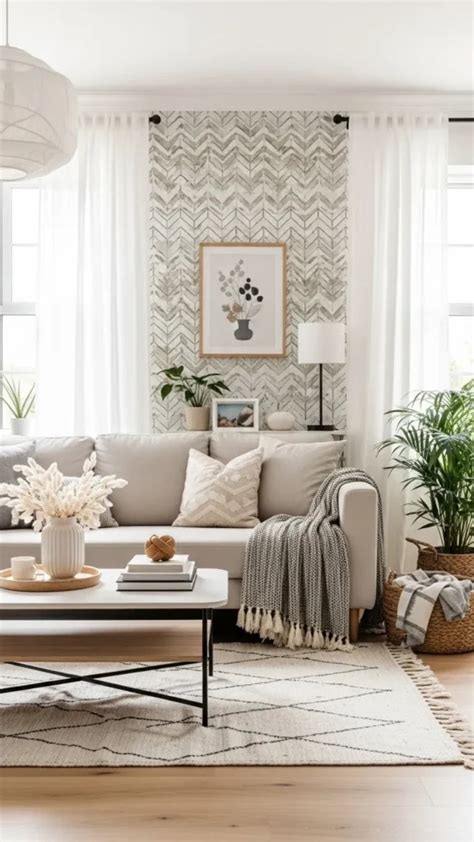
Decorating a space when you do not own the property often feels like navigating a minefield of lease restrictions. Fortunately, contemporary interior design offers countless workarounds that deliver the visual impact of permanent renovations without a single nail hole or patch of spackle. Heavy-duty command hooks, tension rods, and peel-and-stick applications have evolved far beyond basic utility items into genuine stylistic assets for modern homes.
Consider applying removable wallpaper to a single accent wall behind your sofa to create an instant focal point. Alternatively, freestanding shelving units can provide the display space of built-ins without anchoring into drywall. These temporary adjustments allow you to personalize standard neutral apartments completely, ensuring that your living area reflects your personal aesthetic while remaining entirely reversible.
Layering Lighting for Atmosphere and Function
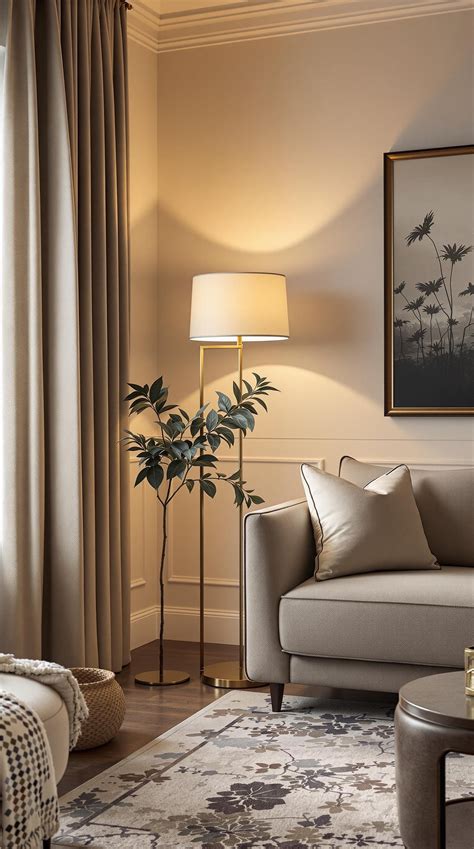
Overhead lighting in standard American living rooms often relies on a single central flush-mount fixture that casts harsh, unflattering shadows across the space. Shifting toward layered lighting immediately elevates the ambiance, making the room feel larger, cozier, and more thoughtfully designed. Introduce a mix of ambient, task, and accent lighting by combining floor lamps, table lamps, and wall-mounted plug-in sconces at varying heights throughout the room.
Warm-toned LED bulbs rated around 2700K help create an inviting glow that softens boxy living spaces. If your rental agreement restricts hardwired fixture changes, plug-in wall sconces equipped with rechargeable bulbs offer a brilliant loophole. Placing a slender arc lamp behind a sectional sofa or styling a minimalist reading lamp on a side table adds both functional utility and sculptural visual interest to your layout.
Mastering Textile Layering with Rugs, Throws, and Pillows
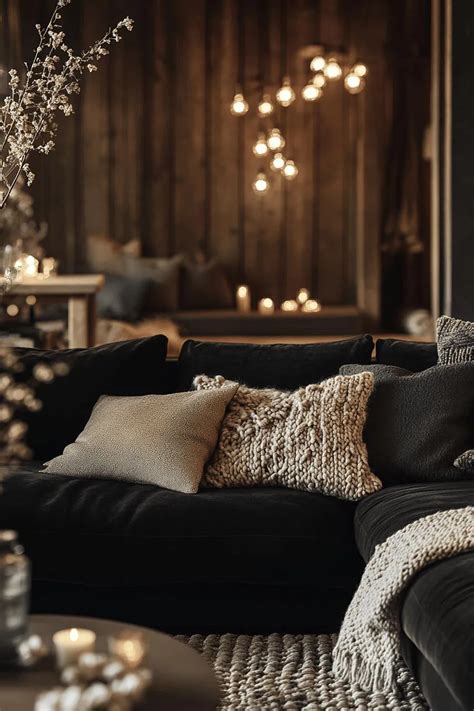
Textiles represent the most forgiving and versatile tool in home decor, offering an instant infusion of color, pattern, and tactile warmth. In many U.S. apartments, wall-to-wall neutral carpeting or standard hardwood floors can feel stark or uninspired until grounded properly. Laying a patterned wool or washable cotton rug over existing carpet instantly defines the seating zone and anchors your primary furniture groupings.
When selecting throw pillows and blankets, focus on a balanced mix of textures rather than matching sets. Combine coarse linen, plush velvet, chunky knit wool, and smooth cotton to add visual depth to your seating arrangements. This textural interplay invites tactile comfort and allows you to easily transition your living room’s color palette across different seasons by simply swapping out cushion covers.
Smart Furniture Arrangement and Layout Strategies
Many living room layout issues stem from pushing every piece of furniture directly against the perimeter walls in an effort to maximize open floor space. Ironically, floating your main sofa and accent chairs slightly away from the walls often creates a more cohesive, intimate conversation area. Start by defining the primary focal point, whether that is a television, a fireplace, or a large window view, and arrange your seating to encourage natural movement.
In smaller urban apartments, multi-functional furniture serves as an absolute necessity rather than a luxury. Nesting coffee tables, storage ottomans, and modular sectionals provide flexibility when hosting guests or reorganizing your layout. Keeping pathways clear and avoiding oversized case goods ensures that the room breathes easily and maintains an open, uncluttered flow.
Frequently Asked Questions
How can I hang art without damaging drywall in an apartment?
You can use heavy-duty adhesive strips rated for picture hanging, adhesive hooks designed for specific weight capacities, or modern picture-hanging wires suspended from ceiling molding tracks. Leaning larger framed art pieces against walls on console tables or low bookshelves is also a stylish, zero-damage alternative.
What are effective ways to make a small living room feel larger?
Focus on vertical space by hanging curtains close to the ceiling line rather than right above the window frame. Choose furniture with exposed legs to let light pass underneath, incorporate large mirrors to reflect natural light, and keep the color palette cohesive and light.
How do I choose the right rug size for my living room layout?
A common mistake is selecting a rug that is too small for the seating area. Ideally, your living room rug should be large enough so that at least the front legs of all major seating pieces—such as the sofa and armchairs—rest comfortably on top of it, creating a unified zone.


