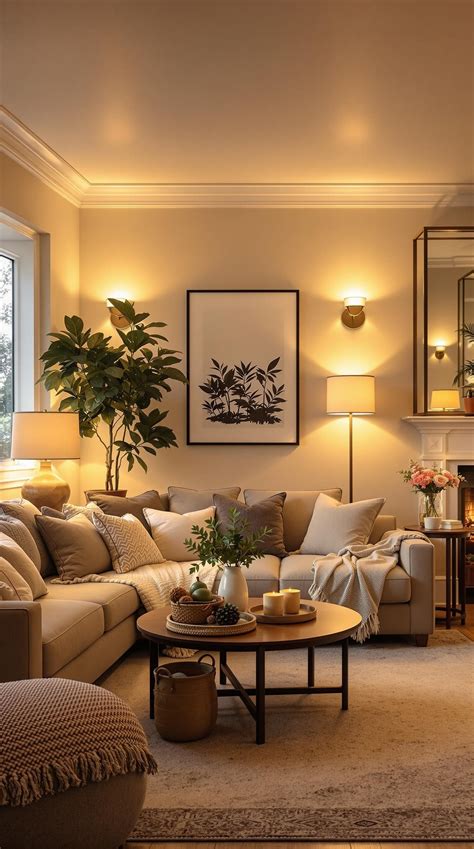
Walking into a living room that feels tired, dated, or simply uninspiring can put a damper on your entire evening. Yet, the thought of undertaking a full-scale room renovation—complete with paint cans, new furniture purchases, and contractor schedules—is enough to make anyone procrastinate indefinitely. Fortunately, transforming your primary gathering space does not require a massive investment of time or money. By focusing on a single, highly strategic decor change, you can completely alter the atmosphere of your room in less than an hour.
The secret lies in upgrading your living room textiles, specifically through a curated combination of throw pillows and blankets. While it might sound deceptively simple, these soft furnishings command a significant amount of visual real estate in any seating area. When updated with intention, texture, and a cohesive color palette, textiles act as an instant aesthetic reset button. Whether you own a spacious suburban home or rent a compact urban apartment, this approach delivers maximum visual return with minimal physical and financial effort.
The Psychology of Visual Softness in Interior Design
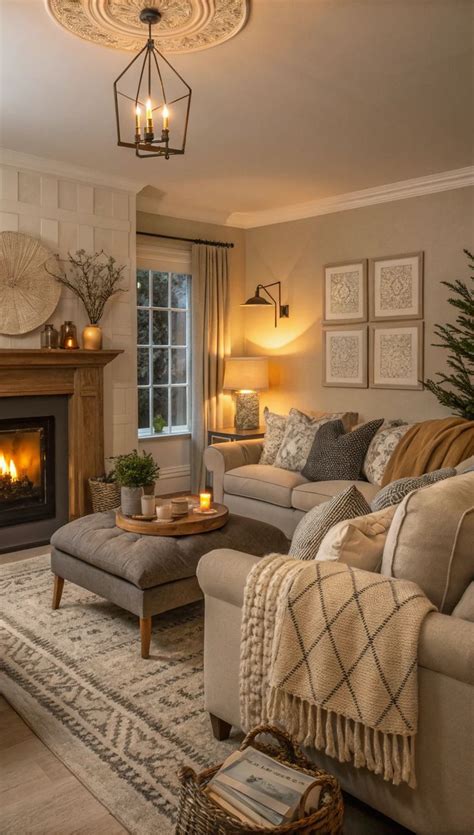
Human beings are naturally drawn to spaces that signal comfort and safety through tactile cues. When a room features flat, uniform fabrics or lacks layered depth, our brains register it as austere or unfinished. By introducing rich textures like heavy linen, brushed cotton, bouclé, or chunky knits, you immediately introduce visual weight that anchors the furniture arrangement and makes the entire room feel more complete and intentionally designed.
Furthermore, altering your textiles allows you to respond to shifting seasons or changing personal tastes without committing to permanent changes. Renters especially benefit from this strategy, as it requires zero hardware installations or wall modifications. A tired, neutral sofa can transition from a cold winter seating arrangement to an inviting, breezy summer sanctuary simply by swapping out heavy wool covers for breathable cotton and lightweight gauze throws.
Selecting the Right Color Palette and Textures
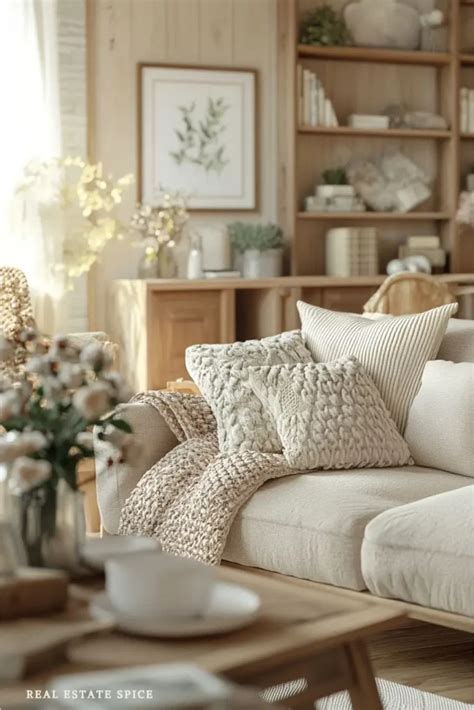
To achieve a professional designer look rather than a cluttered aesthetic, approach your textile swap with a restrained color strategy. Begin by identifying one dominant anchor color already present in your room—perhaps in your rug, artwork, or main sofa upholstery—and select accent tones that complement or gently contrast with it. Introducing varying shades within the same color family adds depth without creating visual chaos.
Texture is just as important as color when you want to make an immediate impact. If your current living room furniture is smooth leather or sleek microfiber, introducing rougher woven textures creates a pleasing juxtaposition. Combine a structured cotton pillow with a velvety bolster and a knitted throw blanket. This triad of contrasting textures catches the light differently throughout the day, ensuring the space feels dynamic and alive rather than flat and showroom-stiff.
Arranging for Maximum Visual Impact
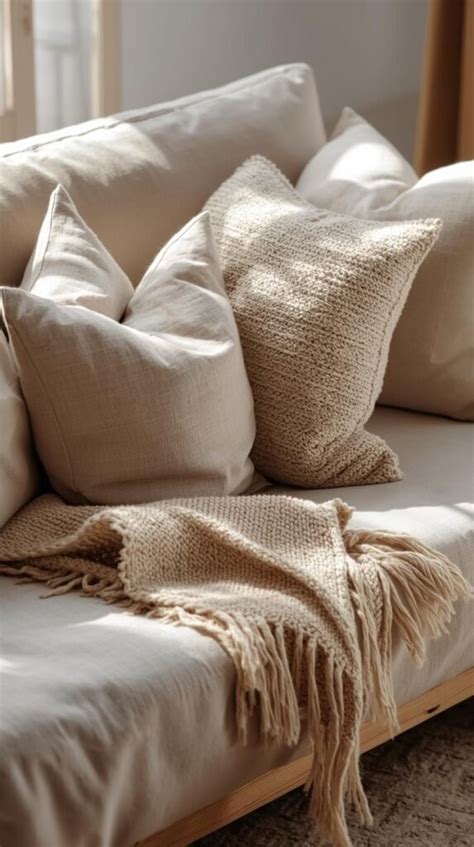
How you place your newly acquired pillows and blankets matters just as much as the items themselves. Avoid the common pitfall of symmetry by arranging pillows in odd numbers, such as clusters of three on a larger sofa or a single statement pillow paired with a folded throw on an armchair. This asymmetrical approach feels more organic and aligns with contemporary interior styling principles.
When styling a throw blanket, abandon the rigid, folded-square method that looks too formal and uptight. Instead, drape the blanket casually over one corner of the sofa, letting it pool slightly onto the seat cushion, or fold it lengthwise into a relaxed third and drape it neatly over the backrest. This creates a lived-in yet curated appearance that invites anyone walking by to sit down and relax.
Maintaining Your Refreshed Living Room Effortlessly
One of the greatest advantages of a textile-based room refresh is its low-maintenance nature. Unlike painted accent walls that require touch-ups or furniture that demands careful dusting, soft furnishings are remarkably forgiving. To keep your living room looking sharp day after day, simply incorporate a quick fluffing and draping routine into your morning or evening habits.
Investing in quality cushion inserts, such as down-alternative or feather-blend forms, will also help your arrangement hold its shape longer. Cheap pillow inserts tend to deflate quickly and develop permanent creases, whereas resilient inserts maintain that plump, designer-grade look with a simple manual chop or fluff. By keeping your textile choices versatile and durable, you ensure your living room stays inviting year-round with virtually no ongoing stress.
Frequently Asked Questions
What is the absolute fastest way to update a boring living room?
The fastest way to update a living room is by swapping out and layering throw pillows and blankets. This instantly introduces new colors, patterns, and textures to your primary seating area, changing the room’s entire focal point in minutes.
Can renters use this textile-updating strategy successfully?
Yes, textile updates are the ultimate decor solution for renters. Because they do not involve painting walls, hanging heavy fixtures, or altering permanent structures, you can take your decor with you when you move and leave zero damage behind.
How many throw pillows should I put on a standard sofa?
For a standard three-cushion sofa, aim for a total of three to five pillows arranged asymmetrically. Grouping two or three on one side and one or two on the opposite side creates a balanced yet natural look.
How do I keep my living room textiles from looking messy?
Choose structured pillow inserts that hold their shape and practice casual draping techniques for blankets rather than tossing them haphazardly. A quick daily fluff keeps everything looking intentional and stylish.