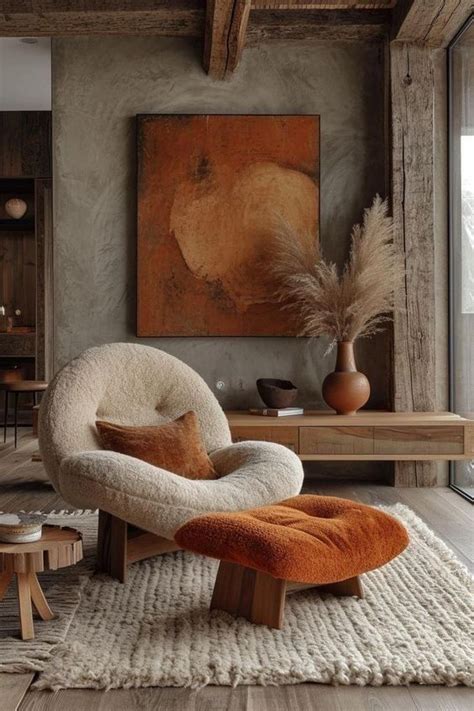
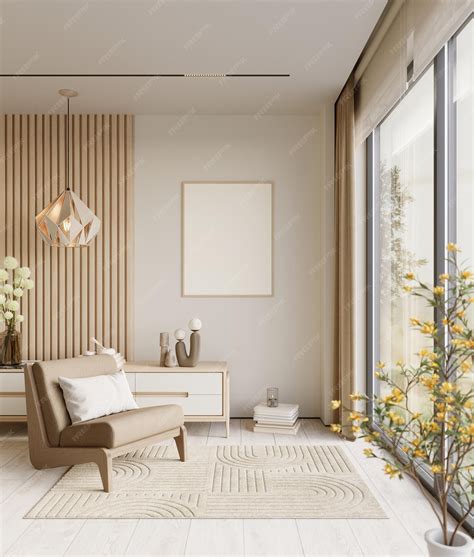
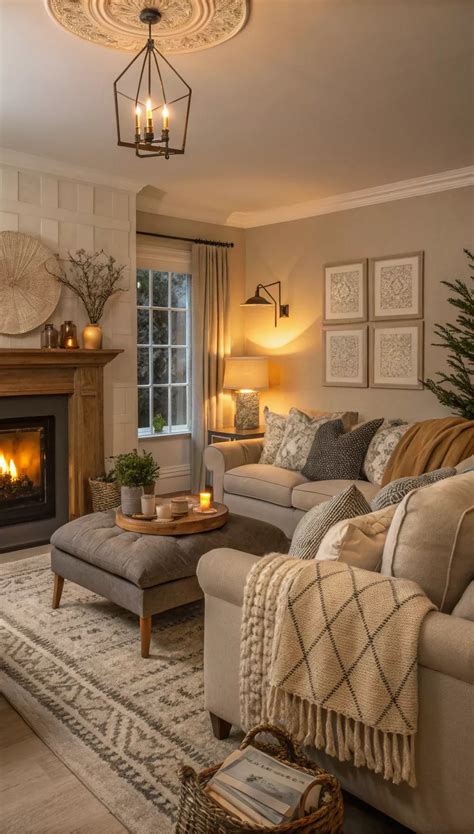
When your living space starts to feel stagnant, it is easy to assume that a satisfying change requires a costly, time-consuming renovation. However, most American living rooms do not need new drywall or expensive custom built-ins to feel brand new. By working with what you already own and making a few strategic adjustments to layout, lighting, and textiles, you can fundamentally alter the atmosphere of your main gathering space in a single weekend. These approachable techniques focus on visual weight, spatial flow, and texture to create an environment that feels intentionally designed.
Whether you rent an apartment or own a suburban home, the key is to look at your room with fresh eyes, identifying pain points like awkward traffic patterns or dull lighting. The following seven strategies provide a clear framework for updating your living room without draining your savings account. Each step relies on timeless design principles that maximize comfort and aesthetic appeal, ensuring your space feels both welcoming and well-edited.
1. Reconfigure Your Furniture Layout for Better Flow
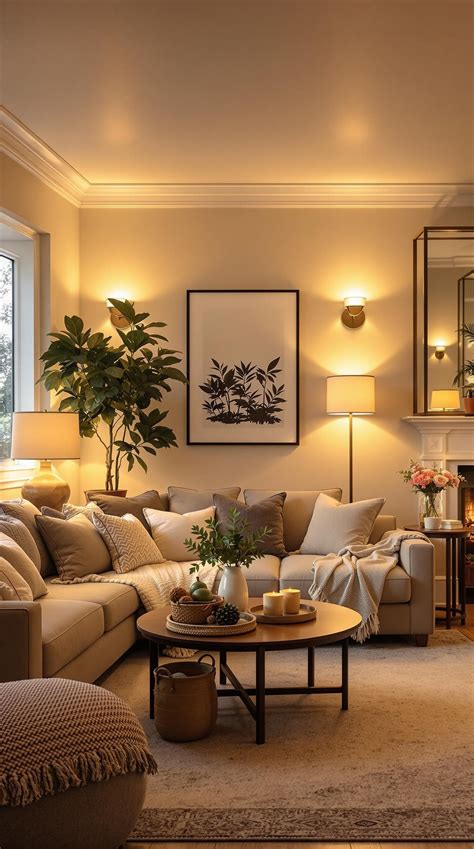
The layout of a living room dictates how people move, converse, and relax within the space. Many homes feature furniture pushed rigidly against the perimeter walls, which can paradoxically make a room feel smaller and disjointed. Pulling your main sofa and chairs inward by even a few inches creates an intimate conversation area and instantly modernizes the room’s proportions.
When planning your layout, prioritize creating a clear primary focal point, whether that is a fireplace, a television, or a large window with a view. Ensure that walking paths from entryways to adjacent rooms remain unobstructed by furniture corners. If you have a larger room, consider floating the sofa away from the wall entirely and placing a console table behind it to anchor the piece and provide a surface for lamps or books.
2. Update Lighting Layers for Mood and Function
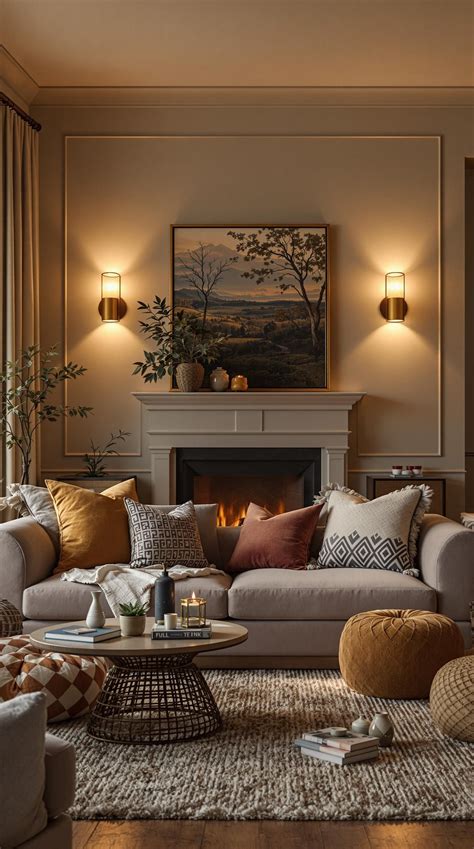
Overhead lighting alone rarely creates a cozy or inviting atmosphere in a living room. To achieve a balanced scheme, interior designers rely on ambient, task, and accent lighting. Swapping out harsh, cool-toned lightbulbs for warm-toned options between 2400K and 2700K instantly softens the room and makes wooden tones and neutral fabrics feel richer.
Introduce table lamps on sideboards, a reading floor lamp beside an armchair, or wall sconces if you want to avoid taking up floor space. Layering these light sources at different heights eliminates harsh shadows and lets you tailor the room’s brightness depending on the time of day. If your budget allows, plugging accent lamps into smart plugs or adding dimmer switches gives you effortless control over the room’s evening ambiance.
3. Refresh Textiles with New Throw Pillows and Blankets
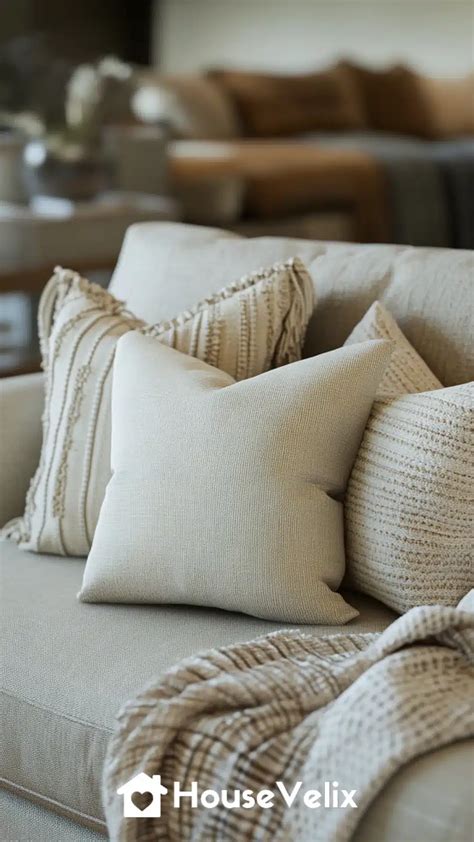
Textiles are the most forgiving and cost-effective tools in home decor. Swapping out heavy winter wools for lightweight linens and cottons in the spring, or vice versa, gives the room an immediate seasonal update. Rather than buying entirely new pillows, invest in versatile cushion covers that can be swapped out easily when you want to change the color palette.
When styling accent pillows, aim for a mix of textures—such as velvet, woven jute, or smooth linen—rather than matching patterns that can look stiff and showroom-like. Pair a chunky knit throw blanket draped casually over the corner of the sofa with a structured lumbar pillow to add immediate depth. This tactile layering invites people to sit down and makes the room feel lived-in and comfortable.
4. Execute a Focused One-Hour Declutter and Reset
Visual clutter is often the hidden culprit behind a living room that feels stressful rather than relaxing. Before adding any new decorative elements, dedicate one uninterrupted hour to clearing out items that do not belong in the space, from mail piles and stray electronics to out-of-season decor.
Adopt a minimalist approach to surfaces like coffee tables and media consoles by removing half of the current objects on display. Group remaining items into intentional clusters of three, varying the heights and shapes to create visual interest. Giving your surfaces breathing room allows the eye to rest and highlights the architectural features or furniture pieces you genuinely love.
5. Style Coffee Tables and Shelves with Intent
Once your surfaces are clear, styling your coffee table and bookshelves becomes an exercise in curation rather than storage. On a coffee table, combine a sturdy stack of art or travel books, a decorative tray to corral smaller remotes, and a living element like a small ceramic bowl or sculptural object.
For bookshelves, avoid packing every inch with vertical book rows. Instead, alternate between vertical stacks and horizontal piles, and intersperse books with framed photographs, meaningful souvenirs, or small plants that trail over the edge. Leaving some empty shelf space creates negative space, which makes your curated vignettes stand out much more vividly.
6. Introduce Greenery and Houseplants
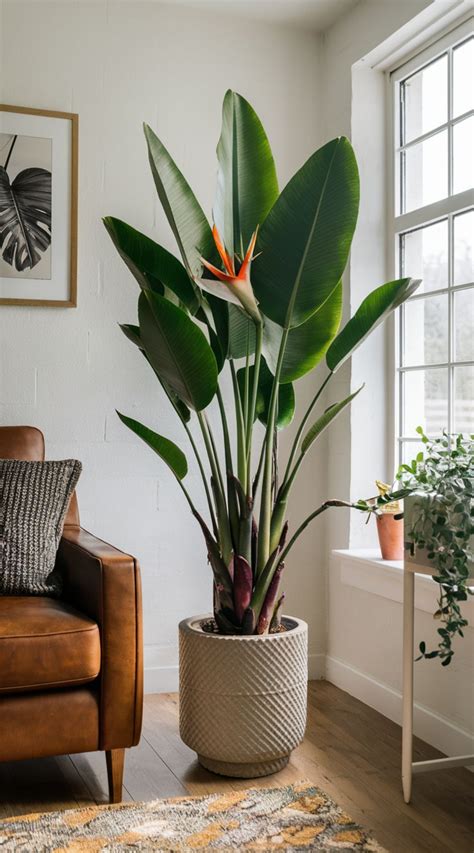
Living plants breathe literal and visual life into an interior space. They introduce organic shapes, vibrant green hues, and natural textures that soften the hard angles of televisions, media consoles, and architectural trim. You do not need a greenhouse full of exotic species; a single statement fiddle-leaf fig or snake plant in a corner can completely transform an empty vertical space.
If floor space is limited, consider trailing pothos or cascading ivy placed on top of a bookshelf or media unit. For renters or those without a green thumb, high-quality botanical stems placed in a heavy ceramic vase offer a maintenance-free alternative that still delivers organic warmth and height to a tabletop or forgotten corner.
7. Hang Wall Art or Create a Temporary Accent Wall
Blank walls can make a room feel incomplete or temporary. Hanging artwork or photographs brings personality and color at eye level. If you are renting and hesitant to put holes in the drywall, heavy-duty adhesive hanging strips or leaning large-scale framed art against the wall on a credenza provide striking alternatives without permanent damage.
Consider creating a simple gallery wall using frames of uniform color with varied artwork sizes, or hang one oversized canvas to serve as a dramatic focal point above the sofa. Ensure that artwork is hung at proper eye level—typically with the center of the piece roughly 57 to 60 inches from the finished floor—so it feels visually anchored to the furniture below it.
Frequently Asked Questions
How can I refresh my living room without buying new furniture?
You can dramatically update your living room without purchasing new furniture by rearranging your current layout to improve traffic flow, swapping out textiles like throw pillows and blankets, updating your lighting with warm-toned bulbs, and thoroughly decluttering surfaces.
What are quick ways to make a living room look brighter and bigger?
To make a living room feel brighter and more spacious, maximize natural light by keeping windows unobstructed, add multiple layers of warm lighting at different heights, declutter surfaces to create negative space, and incorporate mirrors to reflect light around the room.
How do I style a living room on a small budget?
Styling on a budget relies on editing what you already own. Focus on rearranging furniture, swapping cushion covers rather than buying new pillows, introducing affordable houseplants or botanical stems, and rearranging bookshelf and coffee table accessories into intentional groupings.