Revamping a living room often begins with a desire to introduce a distinct personality and refined comfort into your primary gathering space. For many homeowners and renters across the United States, drawing inspiration from British design houses like John Lewis offers a fresh perspective on contemporary living. Known for balancing timeless elegance with modern functionality, British interior aesthetics rely on thoughtful curation, layered textures, and a harmonious blend of heritage and current trends. Adapting these design principles to fit spacious American floor plans requires a careful approach to scale, focal points, and lighting.
When bringing a touch of British style across the Atlantic, the goal is not to replicate a London townhouse entirely, but rather to borrow elements that enhance daily living. American homes often feature open-concept layouts, vaulted ceilings, and expansive windows that call for furniture and accessories with strong visual presence. By focusing on quality craftsmanship, versatile neutral backdrops, and carefully selected accent pieces, you can create a living room that feels both sophisticated and deeply welcoming.
Translating British Contemporary Style into U.S. Floor Plans
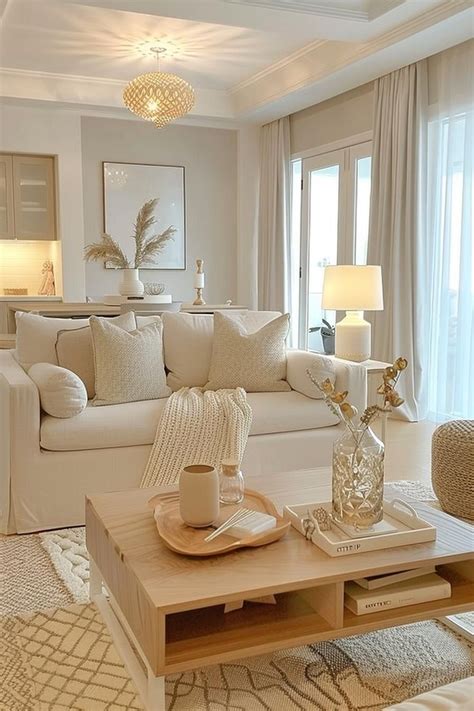
American living rooms frequently offer generous square footage and open layouts, which can sometimes feel sparse or disconnected without intentional zoning. British interior design excels at making large or open spaces feel intimate and grounded through clever furniture placement and architectural detailing. Instead of pushing every sofa and armchair against the perimeter walls, consider floating your main seating arrangement in the center of the room to foster conversation and define a cozy seating zone.
Incorporating statement furniture inspired by classic British silhouettes helps anchor these larger footprints. Pairing a streamlined, tailored sofa with rounded accent chairs introduces a pleasing contrast of geometric shapes that soften the overall architecture of a modern U.S. home. When sourcing or styling these pieces, pay close attention to proportion. Oversized sectionals common in American households can be balanced by introducing slimmer, leggy coffee tables and media consoles that maintain visual breathing room across the floor plan.
Layering Textiles and Lighting for Warmth
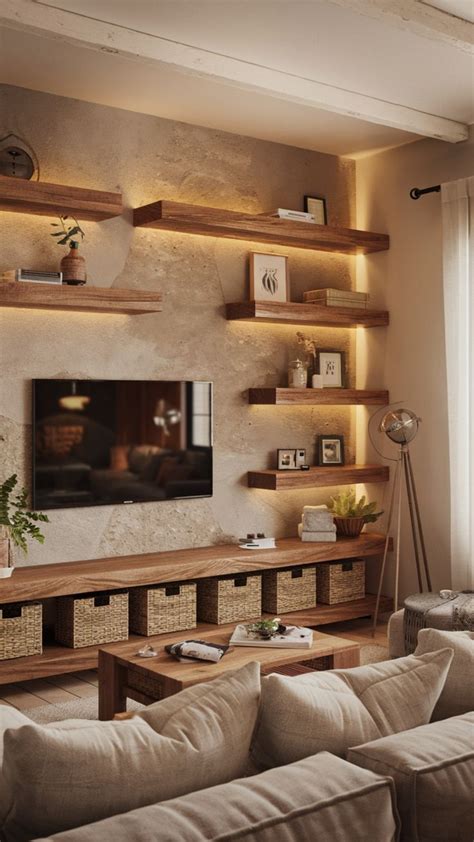
One of the hallmarks of a well-designed British living room is the masterful use of texture. American homes benefit immensely from this approach, particularly in regions with distinct seasonal shifts where spaces need to feel cozy in the winter and light in the summer. Layering different fabrics—such as heavy linen drapery, wool throw blankets, and velvet scatter cushions—adds immediate depth and tactile interest to neutral seating arrangements.
Lighting plays an equally vital role in establishing atmosphere. Instead of relying solely on harsh overhead fixtures, embrace a layered lighting scheme that incorporates table lamps, floor lamps, and dimmable wall sconces. Selecting statement lighting pieces, such as brushed brass floor lamps or globe pendants with smoked glass, introduces sculptural elegance even when switched off. Position these light sources at varying heights to draw the eye around the room and create inviting pools of warm illumination during evening hours.
Curating a Sophisticated Color Palette with Bold Accents
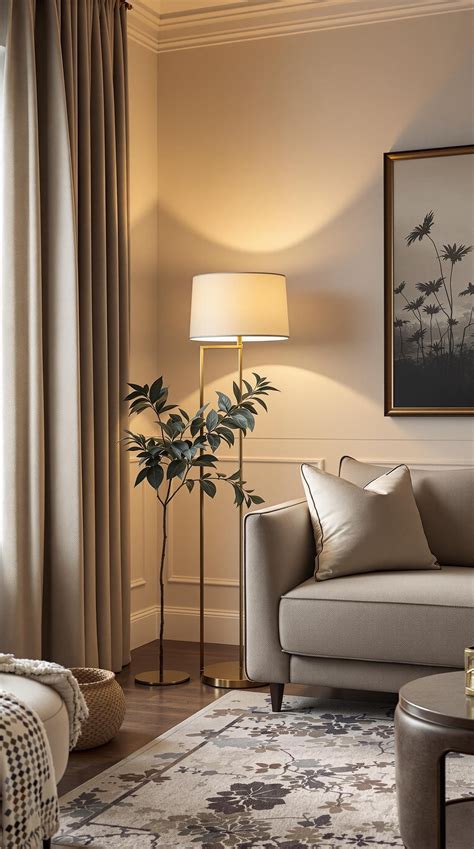
A successful living room refresh often begins with a calm, neutral foundation that allows your furniture and art to take center stage. British interiors frequently utilize sophisticated undertones like chalky whites, warm clays, and muted stone grays on walls and large upholstery. This restrained backdrop provides the perfect canvas for introducing richer, bolder accent colors through smaller decorative accessories like artwork, ceramics, and textiles.
To adapt this color strategy for a U.S. home, consider the natural light entering your space. Rooms with bright, direct southern exposure can easily support deeper accent hues like forest green, midnight blue, or terracotta. Conversely, north-facing rooms benefit from warmer ochres and subtle blush tones that counteract cooler natural daylight. The key is to maintain a cohesive thread of color that ties your larger furniture investments together with smaller decorative accents throughout the room.
Frequently Asked Questions
How can I incorporate British design elements into an American living room without a complete overhaul?
You can easily introduce British style by focusing on accessories and textiles rather than replacing major furniture. Add tailored wool throws, patterned scatter cushions in botanical or geometric prints, and brushed metal lighting fixtures to instantly elevate your existing layout.
What are the best ways to handle large, open-concept U.S. living spaces using these design principles?
Open-concept rooms benefit from zoning. Float your primary seating group away from the walls, use large area rugs to anchor the furniture arrangement, and incorporate mid-century or traditional accent chairs to break up the vastness and create intimate conversation areas.
How do I choose the right color palette for a room with changing seasonal light?
Start with a versatile, neutral foundation on your walls and larger upholstery pieces. Introduce seasonal personality through easily swappable decor elements like cushion covers, throws, and decorative objects that match the mood of the current season.


