Designing a living room that successfully marries two distinct aesthetic worlds can feel like a delicate balancing act. On one side sits traditional warmth, defined by rich wood tones, plush upholstered seating, ornate moldings, and an overall sense of established comfort. On the other side is modern chic, characterized by clean architectural lines, minimalist layouts, neutral palettes, and industrial touches like iron or brushed brass. When brought together thoughtfully, these contrasting forces create what interior designers refer to as a transitional style—a space that feels deeply welcoming yet visually sharp, current, and uncluttered.
For homeowners and apartment renters across the United States, achieving this equilibrium requires a clear strategy. Rather than letting opposing styles clash randomly, you can curate a cohesive room by establishing a foundational color scheme, pairing specific furniture silhouettes, and layering tactile textiles that bridge the gap between old-world coziness and contemporary sophistication.
Defining the Pillars: Traditional Warmth Versus Modern Chic
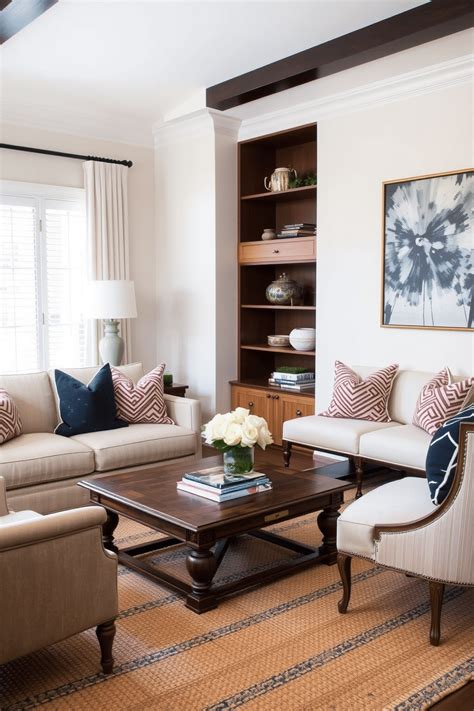
Understanding the core characteristics of each design philosophy helps prevent a living room from looking disjointed or confusing. Traditional warmth relies heavily on heritage details. Think of rolled-arm sofas, tufted leather armchairs, Persian or vintage-wash rugs, and heavy crown molding typical of many mid-century or older American homes. This aesthetic prioritizes comfort, symmetry, and a lived-in feel that immediately puts guests at ease. However, when left unchecked, heavy traditional rooms can sometimes feel dark, cramped, or overly formal for contemporary lifestyles.
Modern chic, alternatively, leans into simplicity and function. It often features low-profile sofas with track arms, geometric accent tables made of glass or concrete, and abstract artwork framed in sleek black metal or light oak. The focus is on open sightlines and maximizing natural light, which is particularly beneficial in compact suburban apartments or urban condos. The risk with modern chic is that it can occasionally cross into sterile territory, feeling more like a showroom than a comfortable family gathering space. Combining the two styles allows the warmth of traditional design to soften the austerity of modern spaces, while modern lines keep traditional rooms feeling fresh and breathable.
Selecting a Bridging Color Palette
The fastest way to unify conflicting furniture styles is through a cohesive and intentional color palette. In a transitional living room, neutral foundational tones serve as the peaceful canvas that allows both traditional wood pieces and modern metal accents to coexist harmoniously. Consider using warm whites, soft greiges, or muted taupes on the primary walls. These shades provide the crispness appreciated in modern chic while retaining enough warmth to complement honey-oak flooring or classic brick fireplaces often found in American residential architecture.
Once the neutral backdrop is set, introduce contrast and depth through secondary and accent colors. Deep, moody hues like charcoal gray, forest green, or navy blue can be applied to accent walls, built-in bookshelves, or large upholstery pieces. To tie the old and new elements together, incorporate metallic finishes that bridge eras. For instance, antique brass or brushed bronze hardware acts as a bridge, offering the vintage appeal traditionalists love alongside the sleek polish that modern designers favor. Avoid high-gloss primary colors, which can make the room feel disjointed and overly trendy.
Curating Furniture Sets for Balance
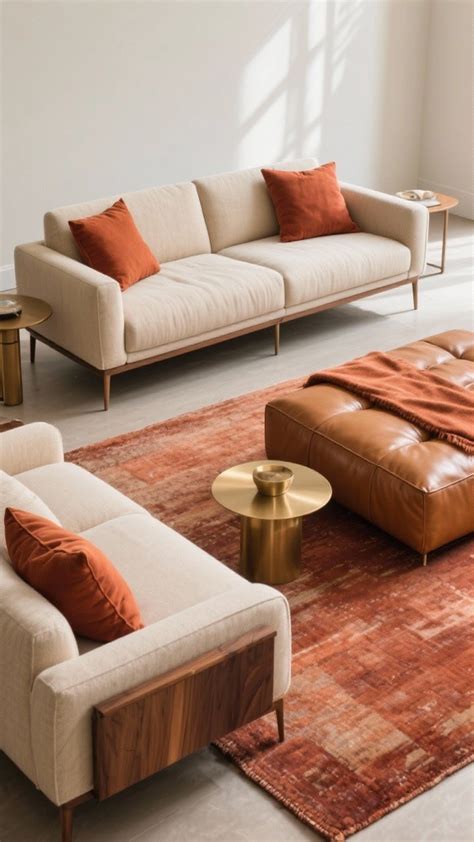
When shopping for furniture sets or individual statement pieces in the U.S. market, look for silhouettes that incorporate elements of both design worlds. A classic mistake is buying an entire matching suite from a single era, which instantly dates the room. Instead, anchor the space with a transitional sofa—such as a deep-seated modern track-arm sofa upholstered in a traditional tactile fabric like chenille, velvet, or heavy linen. Pair this with accent chairs that feature classic wooden frames paired with clean, geometric upholstery.
Table surfaces offer another prime opportunity to mix eras effectively. Place a sleek, minimalist glass-top or concrete coffee table in front of a heavily tufted traditional sofa to instantly lighten the visual weight of the seating area. Conversely, if your seating consists of ultra-modern leather armchairs, ground them with an antique or heavily distressed wooden console table against the wall. This push-and-pull dynamic ensures that neither style overpowers the room, resulting in a balanced, designer-curated look that feels both personal and enduring.
Layering Textiles and Accessories to Complete the Look
Accessories and soft furnishings are the ultimate tools for harmonizing a transitional living room because they are easy to swap out and relatively low-commitment for renters. Start from the ground up by layering rugs. Placing a vintage-inspired, faded Persian runner or area rug over neutral wall-to-wall carpeting or hardwood flooring adds immediate historical charm and texture. Layering adds depth and prevents the room from feeling flat or purely utilitarian.
When it comes to window treatments and smaller decor accents, focus on tactile contrast. Heavy woven drapery panels hung high and wide create architectural drama, while minimalist ceramic vases, sculptural table lamps, and abstract canvas prints keep the space feeling current. Incorporating natural elements like potted fiddle-leaf figs, snake plants, or dried botanical arrangements bridges both aesthetics effortlessly, infusing organic warmth into modern spaces while softening the formality of traditional setups. The result is a well-rounded, inviting sanctuary tailored for everyday American living.
Frequently Asked Questions
How can I combine traditional and modern styles without making my living room look messy?
The key to mixing styles successfully is maintaining a unified color palette and establishing a clear visual hierarchy. Choose one dominant style for your large anchor pieces—such as a modern sofa—and use traditional accents like a vintage rug or antique side table to add character. Keep decor minimal to let each statement piece breathe.
What furniture sets define modern chic versus traditional warmth?
Modern chic furniture typically features clean lines, low profiles, minimalist track arms, and materials like steel, glass, and concrete. Traditional warmth is defined by rolled arms, tufted upholstery, ornate woodwork, and heavy, rich textiles. Transitional sets blend these features by pairing clean-lined frames with comfortable, classic upholstery fabrics.
Can renters achieve this transitional look without making permanent changes?
Absolutely. Renters can easily achieve a transitional living room by focusing on movable elements such as furniture, area rugs, throw pillows, curtains, and portable lighting. Using peel-and-drop accent furniture or temporary art displays allows you to mix modern and traditional styles without altering walls or flooring.


