Creating a welcoming home environment involves striking a delicate balance between comfort, aesthetics, and practical constraints. Whether you are leasing a downtown apartment with strict lease clauses or settling into a suburban house with a sprawling backyard, selecting the right furniture transforms everyday rooms into inviting sanctuaries. The key is understanding how furniture pieces perform across different spatial footprints and mobility requirements.
Smart Indoor Furniture for Versatile U.S. Living Spaces
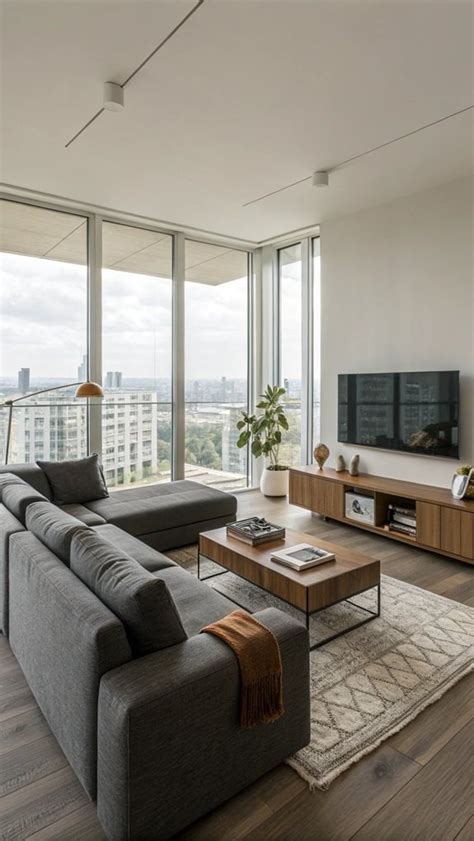
Indoor layouts across the United States vary wildly, ranging from compact urban studios to open-concept suburban great rooms. For renters and homeowners alike, investing in multifunctional furniture is the most effective strategy for maximizing square footage. Pieces like modular sofas, storage ottomans, and extendable dining tables adapt easily to changing spatial demands without sacrificing style.
When choosing indoor furniture, consider how easily items can be disassembled or reconfigured if you decide to relocate. Renters benefit greatly from modular designs that fit through tight stairwells and can be rearranged into completely different configurations in a new apartment. Homeowners, on the other hand, can anchor their living areas with larger statement pieces built for long-term endurance.
Styling Patios and Balconies: Outdoor Solutions for Every Yard
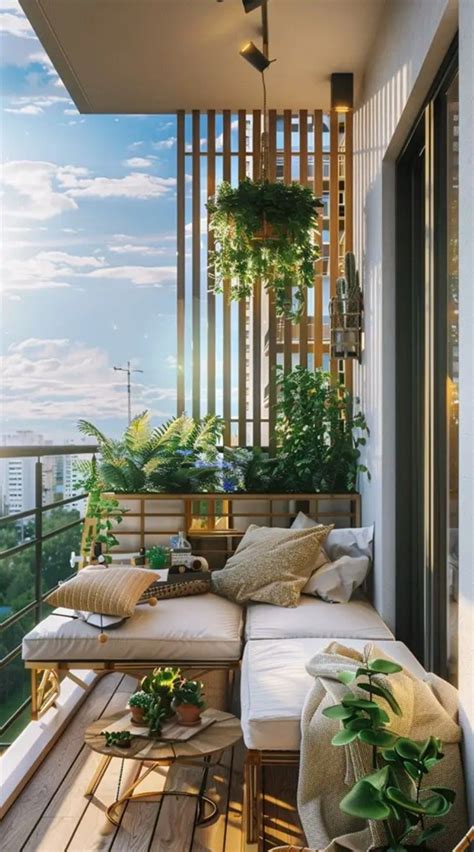
Extending your living space outdoors requires careful consideration of climate, scale, and materials. For apartment dwellers working with compact balconies, folding bistro sets or slim bench seating offer functional dining and lounging options that store away easily during inclement weather. These lightweight pieces provide comfort without overwhelming tight footprints.
Suburban homeowners have the luxury of larger patios, decks, and lawns, allowing for more expansive furniture arrangements. Sectional outdoor sofas crafted from powder-coated aluminum or synthetic rattan withstand fluctuating U.S. weather patterns while delivering indoor-level comfort. Pairing these seating areas with weather-resistant coffee tables establishes an open-air room feel that encourages effortless entertaining.
Creating a Cohesive Flow Between Indoors and Outdoors
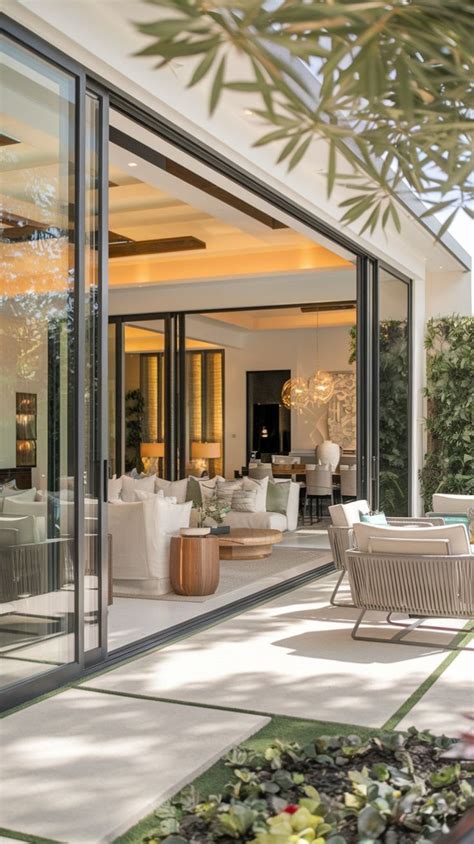
Bridging your indoor living area with your outdoor patio creates a harmonious visual extension of your home. One effective design strategy is matching the color palette or wood tones of your indoor dining furniture with your outdoor setup. This continuity tricks the eye into perceiving smaller spaces as much larger and more unified.
Another approach involves utilizing matching textiles, such as outdoor-safe throw pillows and rugs that echo the textures found in your interior living room. By treating your patio or balcony as a literal room without walls, you maximize the functional footprint of your property, regardless of whether you rent your home or own it outright.
Frequently Asked Questions
How can renters furnish their living spaces without violating lease agreements?
Renters should prioritize freestanding furniture that requires zero wall anchoring or permanent architectural modifications. Opt for heavy-duty media consoles instead of wall-mounted TV brackets, and utilize floor lamps rather than hardwired light fixtures. This ensures you can easily pack up your belongings and secure your full security deposit refund when your lease ends.
What outdoor furniture works best for small apartment balconies?
Compact balconies benefit most from foldable bistro sets, vertical shelving units for potted plants, and hanging chairs that utilize vertical space instead of floor area. Look for weather-resistant materials like treated teak, powder-coated steel, or resin wicker that withstand sun and rain exposure while remaining easy to move indoors during winter months.
How do you create a seamless visual flow between a living room and a patio?
You can establish a continuous indoor-outdoor aesthetic by aligning color schemes, using similar natural textures, and positioning furniture to frame the outdoor view from inside. Placing matching indoor and outdoor plants near sliding glass doors or large windows further blurs the boundary between the interior architecture and the open-air environment.


