Bringing the charm of the outdoors into your primary gathering space creates a restorative atmosphere that feels both grounded and refreshing. Across 129 distinct house and garden-inspired interior concepts, the core objective remains consistent: establishing a fluid visual dialogue between built architecture and living nature. Whether you live in a sun-drenched coastal bungalow, a suburban colonial, or an urban apartment, incorporating organic elements helps soften crisp modern lines and introduces a sense of timeless tranquility.
Successful garden-inspired design relies less on literal floral cliches and more on textural authenticity, strategic natural lighting, and thoughtful botanical curation. By focusing on materials that weather gracefully and color stories drawn directly from forest floors and flowering meadows, you can construct a sophisticated living room that honors classic garden sensibilities while remaining thoroughly functional for everyday American lifestyles.
Foundation Elements: Earth-Toned Palettes and Natural Materials
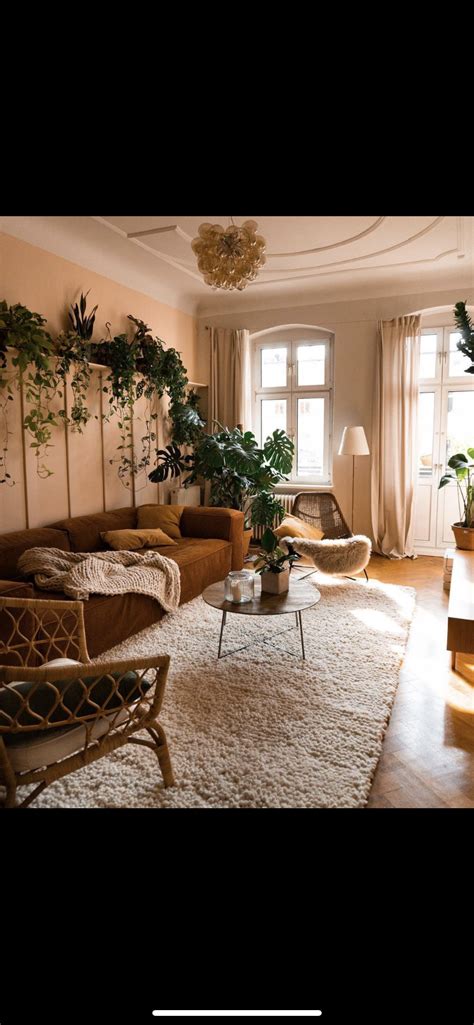
The groundwork of any garden-inspired living room begins with a color palette anchored in nature. Moving away from stark bright whites and cool grays, designers frequently turn toward warm terracotta, muted sage, moss green, soft clay, and rich ocher. These hues mirror the organic spectrum found outdoors, providing a soothing backdrop that allows furniture and accessories to pop without overwhelming the senses. When applied to walls or large upholstery pieces, earth tones instantly establish an inviting, grounded ambiance.
Complementing these hues requires a heavy reliance on raw, tactile materials such as unlacquered wood, woven rattan, seagrass, and honed stone. Incorporating a reclaimed timber coffee table or sculptural travertine side tables introduces organic imperfections that manufactured laminates simply cannot replicate. For renters looking for temporary updates, introducing these materials through accent pieces, woven storage baskets, and jute area rugs offers an effortless way to achieve a high-end organic aesthetic without making permanent structural changes.
Integrating Botanical Greenery and Floral Motifs
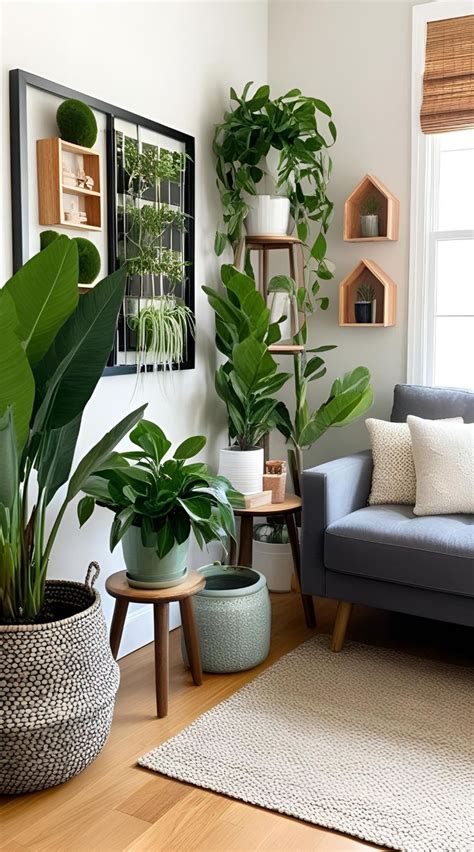
Living greenery serves as the literal bridge between a house and its surrounding landscape. Selecting the right plants for your living room requires balancing aesthetic goals with your specific indoor climate conditions, factoring in variables like window orientation and heating systems. Low-light tolerant species like the ZZ plant, snake plant, or cast-iron plant thrive in typical suburban living rooms, while statement plants like a fiddle-leaf fig or large bird of paradise anchor empty corners with architectural height and lush, vibrant leaves.
Beyond live plants, botanical prints and subtle floral patterns offer a classic nod to traditional English garden rooms. To keep these motifs feeling modern and curated rather than dated or cluttered, integrate them through oversized abstract botanical illustrations framed in simple oak, or opt for neutral-toned linen throw pillows featuring delicate fern etchings. Pairing these patterned textiles with clean-lined modern sofas ensures the overall design reads as contemporary and intentional rather than overly rustic or busy.
Maximizing Natural Light and Garden Views
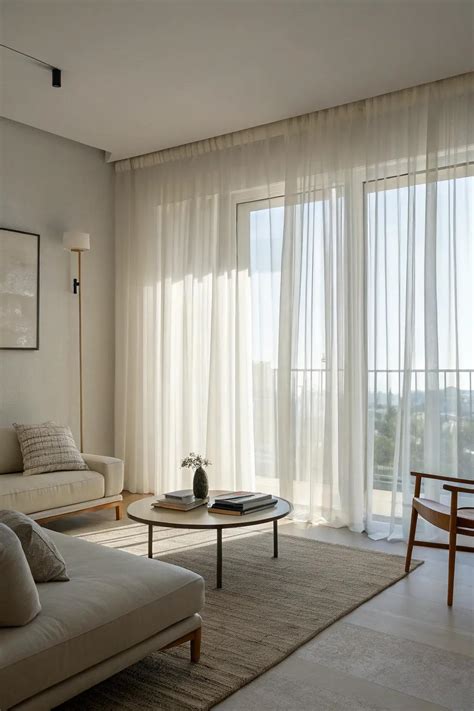
A true house and garden aesthetic depends heavily on how light enters and moves through the space. Maximizing natural light begins at the windows, where heavy drapery can be swapped for lightweight, breezy linen or sheer cotton panels that filter the sun while preserving outdoor views. Positioning mirrors strategically opposite windows helps bounce daylight deeper into the room, making even modest suburban living rooms feel expansive and luminous.
Furniture arrangement should ideally prioritize sightlines toward the outdoors or incorporate conversational clusters that mimic a shaded garden patio. Low-profile seating prevents windows from being blocked, ensuring uninterrupted views of your yard, balcony planters, or neighborhood trees. By framing the room around natural illumination, your indoor seating area naturally adopts the open, airy feel of a sunroom or conservatory, completing the seamless transition from interior comfort to outdoor splendor.
Frequently Asked Questions
How can I bring garden elements into a small living room?
In smaller spaces, verticality is key. Utilize wall-mounted planters, floating shelves for trailing pothos, and slim-profile botanical artwork to draw the eye upward without sacrificing valuable floor space. Choosing multi-functional furniture crafted from natural woods like oak or ash also adds organic texture without cluttering the layout.
What are the best indoor plants for living rooms with low light?
If your living room receives minimal natural sunlight, opt for resilient varieties such as the snake plant, ZZ plant, pothos, or peace lily. These species adapt remarkably well to lower light conditions and typical indoor household temperatures, requiring minimal maintenance while still delivering a lush, leafy aesthetic.
How do I style botanical prints without making the room look dated?
To keep botanical prints looking fresh and modern, avoid matching every fabric in the room. Instead, use one or two statement pieces—such as a single large-scale watercolor fern print or minimalist leaf sketches—and frame them in clean, narrow wood or matte black frames. Pair them with solid, textured neutrals to balance the visual weight.


