When updating a living room, homeowners often search for items that break the mold of mass-market retail. Sourcing handcrafted furniture from Jakarta offers a compelling alternative, introducing rich textures, organic silhouettes, and centuries-old woodworking traditions directly into contemporary American floor plans. Rather than settling for uniform big-box pieces, integrating Indonesian craftsmanship provides a distinct focal point that elevates the entire room’s character.
Successfully incorporating these global elements requires understanding how tropical hardwoods and woven natural fibers interact with standard US architecture, heating systems, and spatial layouts. By focusing on key statement pieces and mindful styling, you can create a balanced interior that feels both worldly and deeply grounded for everyday living.
The Appeal of Jakarta Craftsmanship and Sustainable Materials
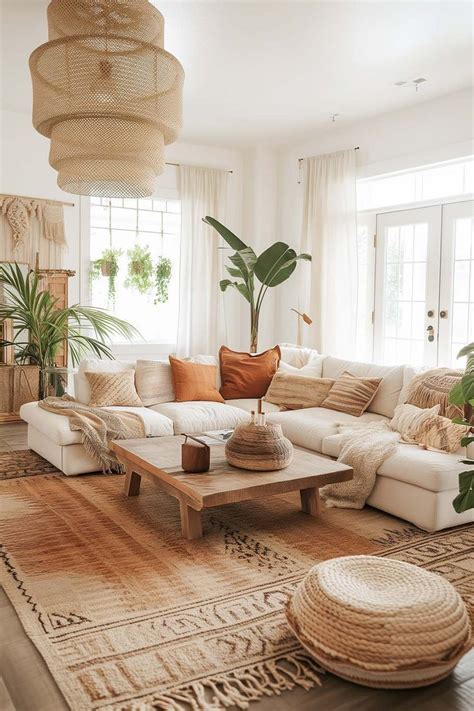
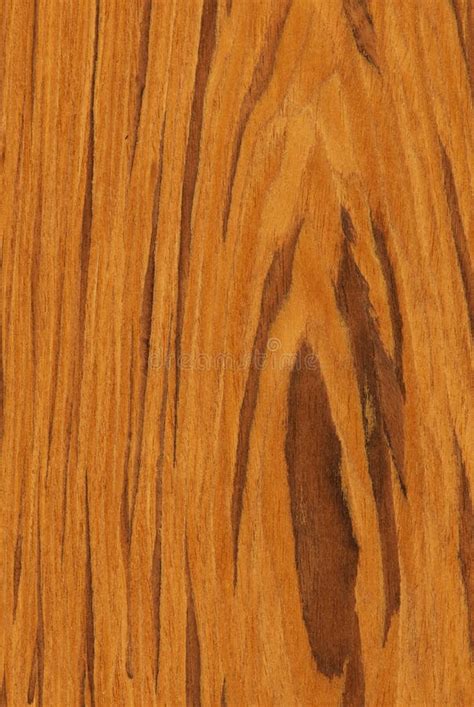
Jakarta functions as a major creative hub where generational woodworking expertise meets contemporary global design. Furniture originating from this region is frequently defined by its reliance on premium, locally harvested materials such as solid Indonesian teak, mindi wood, and intricately woven rattan. Unlike synthetic laminates or fast-furniture particle boards, these natural elements offer deep grain variations, tactile warmth, and an inherent durability that withstands decades of daily use.
Another vital aspect of modern Jakarta furniture production is the growing commitment to sustainable forestry and ethical labor practices. Many reputable makers utilize certified reclaimed teak from old structures or legally managed plantations regulated by the Indonesian government. This ensures that the beautiful coffee tables, media consoles, and accent chairs gracing your American living room carry a responsible environmental pedigree alongside their striking visual appeal.
Key Living Room Pieces to Anchor Your Space
Selecting the right furniture category is essential when importing or buying globally inspired items for a standard American home. Solid wood coffee tables featuring live edges or hand-carved geometric details serve as natural gathering points, instantly warming up neutral or minimalist upholstery. Similarly, low-profile media consoles crafted from slatted teak provide functional storage while hiding modern electronics behind artisanal cabinet doors.
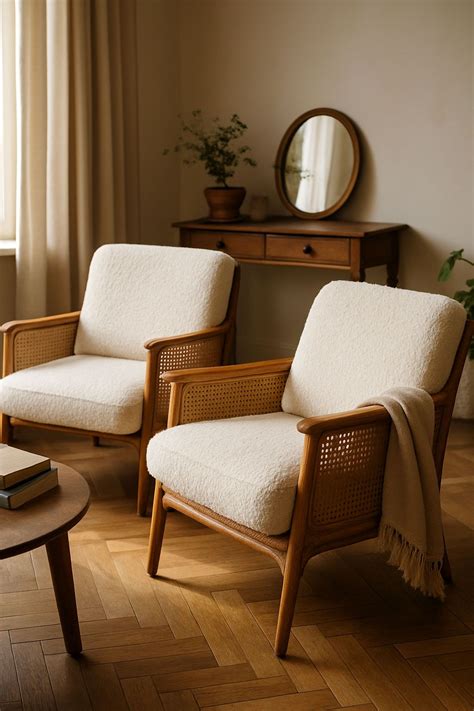
Accent seating is another area where Jakarta artisans truly excel. Rattan armchairs, occasional chairs featuring woven cane webbing, and sculptural lounge seats introduce organic curves that soften the rigid lines typical of drywall and rectangular US living rooms. When paired with a plush American-made sofa, these statement chairs create a dynamic interplay of texture, weight, and visual contrast.
Styling Indonesian Designs in American Interiors
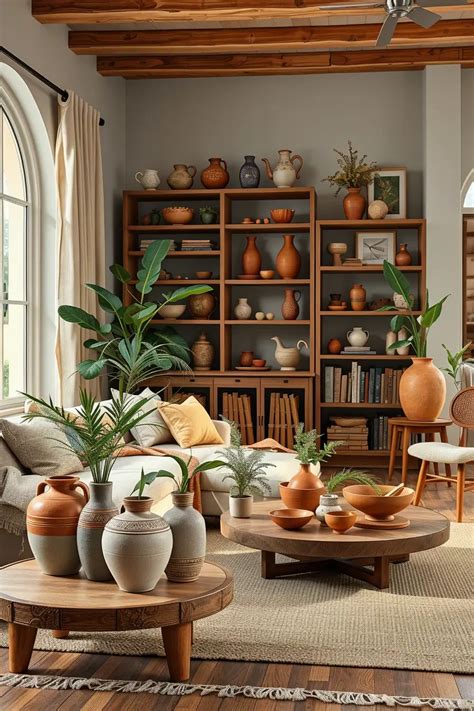
Blending artisanal Jakarta furniture with existing US interior styles relies on achieving a thoughtful balance between ornate textures and clean architectural lines. If your living room leans toward a modern or transitional aesthetic, a single, highly detailed teakwood credenza can act as a sophisticated anchor piece. Surrounding it with neutral textiles, streamlined lighting, and understated wall colors prevents the room from feeling overcrowded while allowing the handcrafted details to stand out.
Climate considerations also deserve attention when placing tropical hardwoods in centrally heated or air-conditioned American homes. Solid wood naturally responds to humidity shifts, so it is wise to position valuable wooden furniture away from direct heat vents or drafty fireplaces. Applying a natural beeswax finish periodically helps nourish the timber, preserving its rich luster and protecting the grain through seasonal weather transitions.
Navigating Sourcing, Shipping, and Delivery Logistics
Purchasing furniture directly from international makers or specialized importers involves a slightly different logistical journey than standard domestic shopping. Buyers must carefully review dimensions to ensure pieces fit through standard US apartment entryways, stairwells, and elevator doors. Additionally, freight delivery timelines for overseas shipments require patience, as ocean transit, customs clearance, and local white-glove delivery add weeks to the process.
To protect your investment, always verify the importer’s policies regarding transit insurance, international warranties, and damage claims. Reputable suppliers work with specialized freight carriers who understand how to handle heavy, fragile wooden crates. Clarifying these details upfront ensures that bringing a piece of Jakarta’s vibrant design heritage into your US living room remains a seamless and rewarding experience.
Frequently Asked Questions
What makes Jakarta furniture different from mass-produced US living room furniture?
Jakarta furniture emphasizes traditional hand-carving techniques, solid tropical hardwoods like teak, and natural woven fibers rather than engineered wood and synthetic veneers. This results in unique variations in grain and texture, ensuring no two pieces are identical.
How do I ensure Jakarta furniture fits standard American room sizes?
Always review exact metric and imperial measurements provided by the maker. US living rooms often feature open-concept layouts, so measure your floor plan and entryways carefully to accommodate deep-profile sectionals, large credenzas, or oversized coffee tables.
Are tropical hardwoods like teak durable in US climates with central heating?
Yes, but solid woods react to dramatic humidity changes. Keeping your furniture away from direct heat sources and using natural conditioning oils helps maintain the wood’s moisture balance and prevents minor splitting during dry winter months.
What is the typical shipping process for furniture imported from Indonesia?
International freight usually involves ocean shipping, customs brokerage processing, and domestic trucking. Choosing suppliers that offer white-glove delivery ensures the items are safely brought inside your home and packaging debris is removed.


