The entryway sets the tone for your entire home, serving as a transitional threshold where practicality meets first impressions. For homeowners and renters seeking a refined aesthetic, British high-street design—typified by the balanced craftsmanship found at stores like John Lewis—offers a masterclass in understated elegance. Integrating these sophisticated silhouettes into American floor plans requires careful attention to scale, proportion, and function. Whether you are dealing with a classic enclosed foyer or an open-concept living area where the front door opens straight into the main room, selecting the right console table can anchor the space beautifully.
British furniture design often prioritizes compact versatility, making these pieces exceptionally well-suited for urban apartments and suburban homes alike. By understanding how to balance scale, choose enduring materials, and apply timeless styling formulas, you can create a welcoming entryway that feels both deeply personal and professionally curated. The following guide explores how to select and style these elegant tables to suit the distinct architectural demands of U.S. residences.
Assessing Scale and Proportion in American Entryways
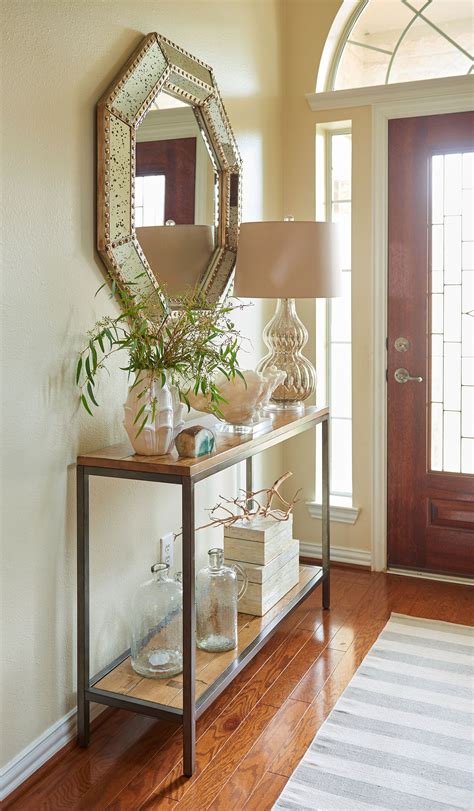
One of the most common design pitfalls when incorporating imported or British-inspired furniture into a U.S. home is misjudging spatial proportion. Traditional American foyers can be remarkably generous in scale, whereas British hallways tend to be narrower and more compartmentalized. If you place a delicate, slender console table against a vast, double-height foyer wall, it will instantly look lost. Conversely, a bulky piece in a tight apartment corridor will restrict natural movement and make the zone feel cramped.
To determine the ideal dimensions, measure your wall space carefully, ensuring you leave at least 36 inches of clear walking path around the furniture. Depth is particularly critical in narrow American hallways; look for slim profiles measuring between 10 and 14 inches deep. For wider foyers or open-plan layouts where the back of the sofa floats against the entryway, you can comfortably step up to a deeper model around 16 to 18 inches. Always account for baseboards, heating vents, and door swings before finalizing your purchase decision.
Image suggestion: A well-proportioned narrow wooden console table placed against a neutral hallway wall in a modern home.
Key Design Aesthetics: From Classic Oak to Modern Minimalist
British furniture design seamlessly bridges traditional craftsmanship with contemporary living. When exploring console tables inspired by curated UK collections, you will typically encounter several distinct aesthetic categories. Solid oak and walnut pieces lean heavily into heritage warmth, featuring visible wood grain, soft-close joinery, and tapered legs that echo mid-century modern styling. These finishes complement transitional, craftsman, and rustic American interiors by adding organic texture and grounding lighter paint palettes.
For urban apartments and contemporary spaces, minimalist metal-framed tables with glass or marble tops offer an airy, light-reflecting solution. Industrial-leaning designs combining blackened steel with reclaimed timber bring an urban edge that suits loft conversions and modern farmhouses. Meanwhile, mirrored or brushed brass consoles inject subtle glamour, catching natural light from adjacent rooms and visually expanding compact entryways without requiring permanent architectural alterations.
Balancing Storage Needs with Visual Openness
Choosing between a sleek, open-frame display table and a robust console with built-in storage depends entirely on your household’s daily habits. If your entryway is prone to accumulating clutter—such as mail, keys, dog leashes, and sunglasses—opt for a design featuring integrated drawers or a lower undershelf. A table with shallow drawers keeps the surface completely clear, maintaining that coveted minimalist look while quietly concealing everyday items out of sight.
On the other hand, if your foyer is purely decorative or if you utilize alternative mudroom drop-zones for heavy gear, an open structure works brilliantly. Open tables prevent heavy visual blockages, allowing light to flow freely across the floorboards. You can enhance an open-frame console by tucking woven baskets or leather bins underneath, creating structured storage that remains easy to access yet visually tidy.
Styling Formulas for an Elegant, Uncluttered Surface
Styling a hallway table is an exercise in editing and balance. To avoid a chaotic surface, interior designers frequently rely on the rule of thirds and asymmetrical triangular arrangements. Start by anchoring one side of the table with a vertical element, such as a tall table lamp or a striking wall-mounted mirror. This draws the eye upward, which is especially effective in homes with standard eight-foot ceilings.
Next, layer in horizontal elements of varying heights in the center and opposite side. You might group a stack of design coffee table books with a small ceramic tray for keys, paired with a sculptural object or a seasonal botanical stem in a heavy glass vase. Negative space is just as important as the items on display; leave a portion of the table surface completely bare to give the eye a place to rest and prevent the vignette from feeling overcrowded.
Material Durability for High-Traffic Entry Zones
The entryway is one of the hardest-working zones in any home, subjected to dropped bags, wet umbrellas, muddy paws, and slamming doors. Selecting durable materials ensures your investment piece maintains its elegance over years of daily use. Hardwoods like white oak or seasoned mango wood offer natural resilience and can be easily wiped down, though they benefit from occasional conditioning or protective coasters for damp drinkware.
Engineered marble and tempered glass provide exceptional scratch and moisture resistance, making them ideal for busy family households. However, avoid high-gloss lacquered finishes if you have young children or pets, as they show fingerprints and micro-scratches easily. Brushed metal bases and matte powder-coated steel offer rugged durability while resisting corrosion and wear in high-humidity climates.
Frequently Asked Questions
How do I choose the right size console table for a narrow U.S. hallway?
Measure your hallway width to ensure there is at least 36 inches of clearance for comfortable walking. For narrow corridors, select a slimline console with a depth of 10 to 14 inches to prevent the walkway from feeling blocked.
What interior design styles do British-inspired console tables complement best?
These pieces excel in transitional, modern farmhouse, contemporary, and mid-century modern interiors. Their versatile silhouettes bridge classic heritage warmth with clean, modern functionality.
How can I style a hallway table to look elegant without looking cluttered?
Use the rule of thirds by grouping items asymmetrically. Pair a vertical anchor like a lamp or mirror with mid-height objects like books and trays, and always leave some tabletop surface empty as negative space.
What are the best materials for high-traffic entryway tables?
Durable hardwoods like oak, tempered glass, engineered stone, and powder-coated steel stand up exceptionally well to daily wear, moisture, and heavy foot traffic.


