Integrating tactile elements into interior design is one of the most effective ways to transform a stark or sterile environment into a welcoming sanctuary. When looking to elevate a room’s atmosphere, introducing statement floor coverings with rich textures creates immediate visual weight and sensory appeal. Among various textile options, plush and patterned statement pieces provide a distinct blend of sophistication and rustic charm that anchors modern furniture layouts.
Achieving a balanced look requires thoughtful consideration of scale, color harmony, and placement. Without a deliberate strategy, high-impact decor elements can easily overwhelm a compact space or clash with existing design schemes. By understanding how to work with different pile heights, neutral tones, and organic shapes, homeowners can seamlessly blend luxurious floor accents into everyday living areas without sacrificing functionality.
Choosing the Right Texture and Scale for Your Space
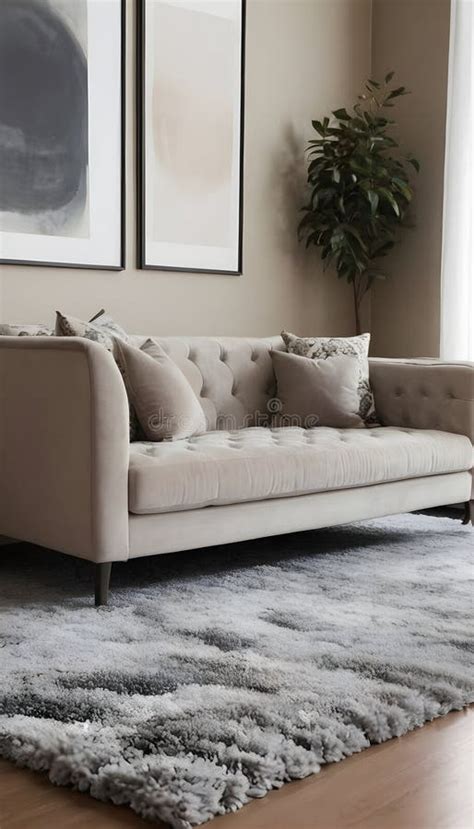
The visual impact of a statement floor covering depends heavily on its pile height, density, and physical footprint within a room. Longer, silkier piles catch natural daylight from windows, creating subtle highlights and shadows that add dimension to minimalist or contemporary spaces. Conversely, shorter, denser weaves offer a more tailored appearance that works exceptionally well under heavy furniture or in high-traffic zones where movement is frequent.
Scale is equally critical when incorporating statement textiles into an established room layout. An undersized accent piece placed in the middle of a large living area can look disjointed, floating aimlessly without grounding any furniture. Designers often recommend positioning these pieces so that at least the front legs of surrounding seating rest on the textile, establishing a cohesive visual anchor that unifies the seating arrangement.
Layering Techniques for Hardwood and Carpeted Floors
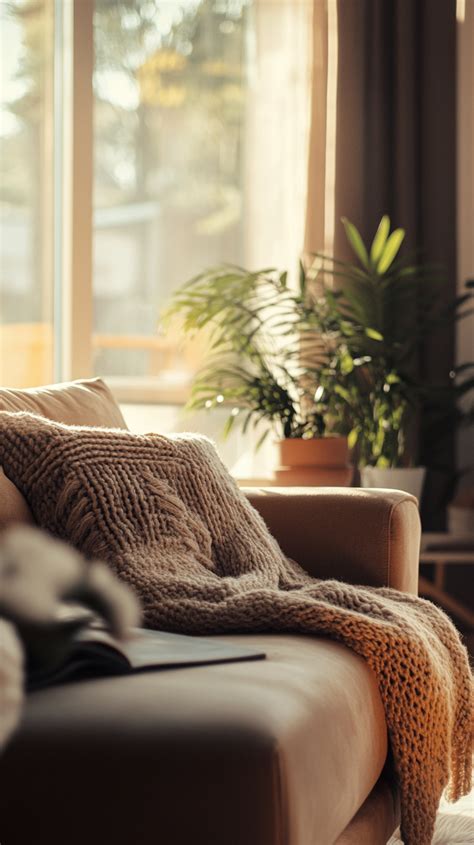
One of the most versatile ways to incorporate plush floor coverings is through layering over existing foundational flooring. Placing a soft, patterned accent piece on top of a neutral sisal, jute, or low-pile wool rug introduces contrasting geometries and tactile interest. This technique breaks up monotonous expanses of wall-to-wall carpeting and prevents hard flooring from feeling cold during colder months.
When layering textiles, pay close attention to thickness and friction to prevent shifting or tripping hazards. Using a low-profile non-slip rug pad underneath both layers ensures that the top textile remains securely in place, even in high-traffic corridors or family rooms. This approach not only enhances safety but also adds an extra layer of underfoot cushioning, elevating the comfort level of the entire room.
Room-by-Room Styling: Living Rooms, Bedrooms, and Offices
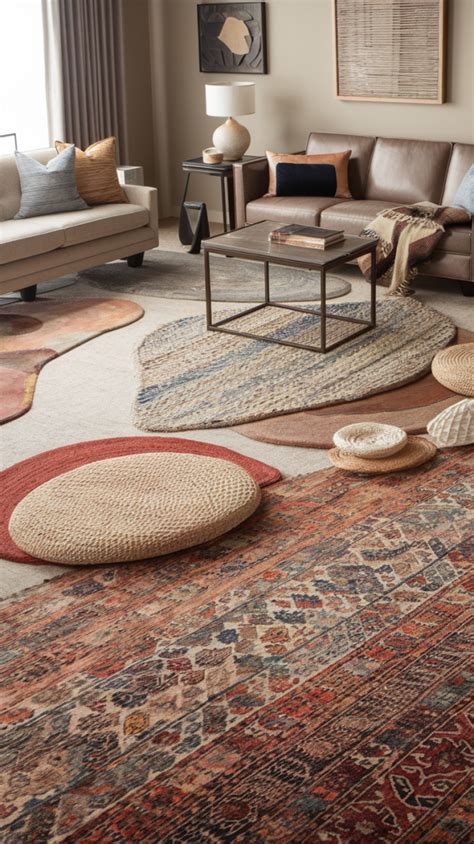
Tailoring your decor choices to the specific function of a room ensures that luxury elements remain practical for daily life. In the living room, a dramatic statement rug works wonderfully beneath a coffee table or draped casually over the edge of a modern leather accent chair, softening hard lines and introducing warmth. The goal is to create designated zones that invite relaxation while maintaining an uncluttered flow of movement.
Bedrooms benefit immensely from soft, tactile floor treatments because they provide a comforting surface for bare feet first thing in the morning. Placing a plush textile alongside the bed or at the foot of the mattress establishes a cozy focal point that complements soft bedding and drapery. Meanwhile, in a home office, a smaller statement piece tucked neatly beneath a desk chair can instantly elevate a utilitarian workspace into a sophisticated executive environment.
Color Palettes and Complementary Furniture Pairings
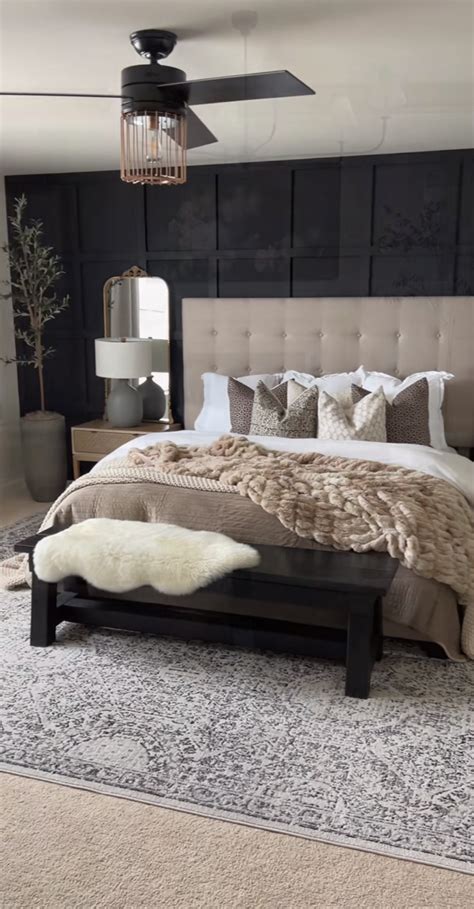
Selecting the right color palette ensures that your statement flooring integrates harmoniously with your existing furniture. Natural tones ranging from ivory and silver-grey to rich browns and charcoals offer timeless versatility, pairing effortlessly with modern metal accents, warm woods, and neutral upholstery. If your space features bold accent colors, a neutral-toned texture helps balance the room, whereas a patterned piece can serve as the primary source of inspiration for secondary accent pillows and throws.
Furniture pairings should highlight the unique tactile qualities of the floor covering rather than compete with it. Sleek silhouettes, clean lines, and minimalist wooden frames allow the plush texture of the rug to stand out as a focal point. Avoid pairing heavily patterned or ornate furniture directly on top of a complex textural rug, as this creates visual clutter and diminishes the sophisticated impact of the design.
Ethical Sourcing, Sustainability, and Longevity
As consumer awareness grows, prioritizing ethical sourcing and sustainable manufacturing has become a fundamental aspect of thoughtful interior design. When shopping for high-end textiles, look for manufacturers that provide transparent sourcing practices, adhere to strict animal welfare standards, or offer high-quality cruelty-free alternatives that mimic the authentic look and feel of natural pelts without compromising on quality.
Ensuring the longevity of luxury home textiles requires adherence to proper care and maintenance routines. Regular gentle shaking and light vacuuming without a rotating brush roll help prevent dust buildup and keep the fibers fluffy. By avoiding direct, harsh sunlight and addressing spills immediately with mild, specialized cleaners, homeowners can preserve the beauty and structural integrity of their investment pieces for years to come.
Frequently Asked Questions
How do I style an exotic fur rug without making a room look cluttered?
To prevent a room from feeling cluttered, treat the rug as a focal point and keep surrounding decor streamlined. Pair it with minimalist furniture, leave adequate negative space around the edges of the room, and avoid crowding the area with too many competing patterns.
What rooms are best suited for exotic fur rugs?
Bedrooms, low-traffic living rooms, and private home offices are ideal spaces for plush fur rugs. These areas experience less intensive foot traffic, allowing delicate textures to remain pristine and comfortable for lounging or relaxation.
How can I layer a fur rug over existing carpeting or hardwood floors?
When layering over hardwood, use a non-slip rug pad underneath to prevent sliding. When placing over wall-to-wall carpet, choose a contrasting texture—such as a smooth, low-pile fur over a thick loop carpet—to create distinct visual separation and depth.
What color furniture complements exotic fur textures best?
Neutral furniture in shades of beige, charcoal, cream, or warm walnut provides a sophisticated backdrop that lets the texture of the rug shine. Leather and brushed metal furniture also create a striking modern contrast against soft, plush surfaces.
How do I ensure the fur rugs I buy are ethically sourced?
Research the manufacturer’s supply chain transparency, look for recognized industry certifications regarding animal welfare, or consider premium faux fur alternatives that deliver the exact visual aesthetic with cruelty-free peace of mind.


