When planning an outdoor excursion, modern campers increasingly look for ways to replicate the comforts of home without sacrificing the authentic experience of nature. Traditional dome tents often force occupants into a single cramped chamber where sleeping bags, backpacks, and muddy boots compete for every square inch of floor space. Choosing a 2-3 person tent featuring a cozy bedroom and spacious living area fundamentally shifts this dynamic. By dividing the interior architecture into distinct functional zones, these shelters create a more organized, breathable, and relaxing environment for weekend getaways or extended camping trips.
The Architectural Advantages of Multi-Room Tent Layouts
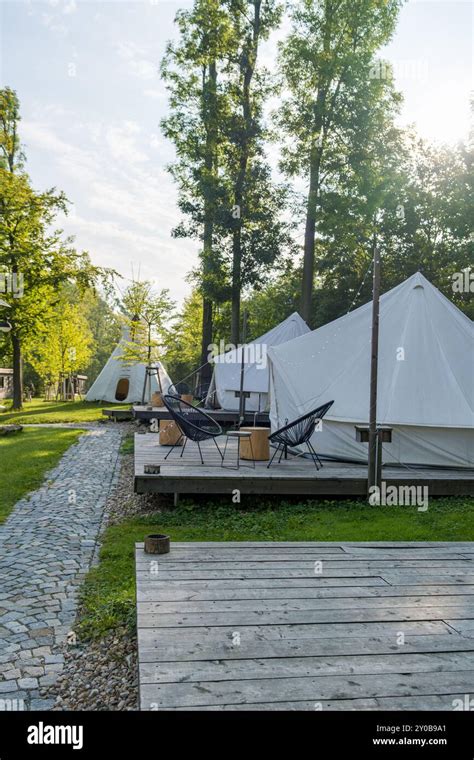
The primary benefit of a partitioned tent design lies in spatial separation, which solves the classic camping dilemma of clutter. In a standard single-room tent, entering the shelter usually means tracking dirt directly onto the sleeping area or tripping over gear bags in the dark. A multi-room layout establishes a clear threshold, allowing campers to shed wet outerwear, store bulky cooking equipment, and organize provisions in the antechamber or living room before stepping into the clean, protected sleeping quarters.
This division also introduces a vital psychological benefit during extended stays or unexpected periods of bad weather. When rain traps occupants inside for hours, sitting shoulder-to-shoulder on a sleeping mat quickly wears thin. Having an adjoining living zone where campers can sit upright, play cards, or read a book while keeping the sleeping zone completely pristine prevents cabin fever. It turns a makeshift shelter into a legitimate temporary home, providing distinct zones for active waking hours and restful sleep.
Optimizing Space for Two to Three Campers

While manufacturers often rate these footprints for up to three people, seasoned outdoor enthusiasts know that real-world comfort depends heavily on gear volume. For two people, a 2-3 person multi-room tent hits a sweet spot. One person can comfortably occupy the bedroom zone with a plush air mattress or two sleeping pads, leaving ample perimeter clearance, while the second room handles backpacks, camp chairs, and coolers.
Maximizing this layout requires intentional organization of your daily essentials. Store your sleeping gear strictly within the bedroom partition to maintain a clutter-free sanctuary for rest. Utilize the living area for storage bins, portable tables, and shoes. Keeping wet gear out of the sleeping chamber prevents condensation buildup and keeps your linens dry, ensuring a much more pleasant night of sleep after a long day of hiking or exploring.
Evaluating Weatherproofing and Structural Integrity
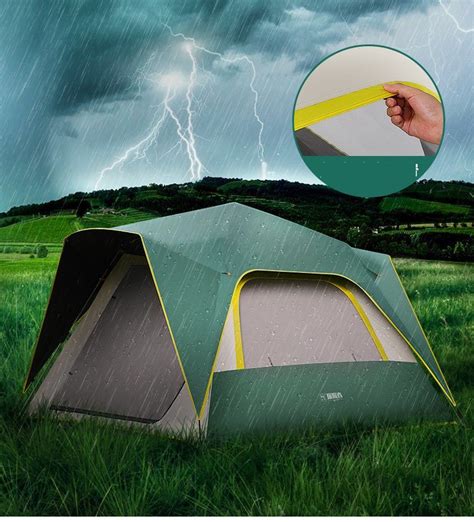
Because multi-room tents feature larger overall footprints and higher profiles than basic backpacking domes, evaluating their weatherproofing specifications is critical. A larger surface area catches more wind, making robust pole architecture and high-quality guylines non-negotiable features. Look for models constructed with durable, waterproofed polyester or nylon flysheets that feature sealed seams and adequate hydrostatic head ratings to prevent moisture penetration during heavy downpours.
Ventilation is another crucial factor that directly impacts internal comfort. Tents with partitioned rooms can easily trap stagnant air if airflow is restricted. Ensure the model you choose includes mesh panels on inner doors, adjustable ground vents, and rainfly awnings that allow fresh air to circulate even when doors must remain zipped shut against the rain. Proper cross-ventilation minimizes condensation, keeping the interior feeling fresh and dry throughout the night.
Balancing Portability and Ease of Setup
A common concern regarding multi-room tents is that their complex architecture translates to a frustrating setup process at the campsite. While it is true that structures with multiple poles and inner room dividers take slightly longer to assemble than a simple two-pole dome, modern color-coded pole systems and intuitive clip-in bedrooms have streamlined the process significantly. Taking the time to practice pitching the tent in your yard before your trip ensures a smooth, stress-free arrival at your destination.
When packing for transport, keep in mind that multi-room shelters typically pack down into slightly larger and heavier bundles than minimalist tents. They are best suited for car camping, state park campsites, or backyard adventures where you do not need to carry your shelter long distances on your back. The slight trade-off in packed size and weight is paid back tenfold the moment you step inside a well-organized, spacious retreat after a long day outdoors.
Frequently Asked Questions
How does a separate bedroom and living area improve camping comfort?
A separate bedroom and living area prevents clutter by keeping muddy boots, cooking gear, and backpacks out of your sleeping space. It also provides a dedicated indoor room to relax, read, or wait out inclement weather without crowding your bed.
Is a 2-3 person multi-room tent difficult to set up?
Most modern multi-room tents use color-coded poles and straightforward clip-in designs to simplify assembly. While they take a few minutes longer to pitch than basic single-room domes, a quick practice run at home makes the campsite setup seamless.
What should I look for regarding weather resistance in a spacious tent?
Look for waterproof rainflys with sealed seams, sturdy aluminum or fiberglass pole structures, and robust guylines to handle wind. Adequate ventilation and mesh panels are also essential to prevent internal condensation.


